
 Content Writer: Janice Chew • Tuesday, 26/06/2026 - 14:40:22 - PM
Barry Diller’s People Inc has submitted a non-binding offer to acquire the remaining MGM Resorts shares it does not already own, valuing MGM at around US$18 billion including debt.
At first glance, this looks like another large casino takeover story. But the deeper message is more important: the global gaming industry is being revalued around three major forces — physical assets, digital growth, and long-term control.

The Offer: What Happened
People Inc proposed a cash offer of US$48.30 per share for MGM Resorts shares it does not already own.
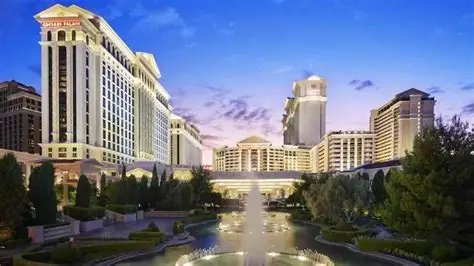
The offer represents a premium to MGM’s recent trading levels and comes shortly after Fertitta Entertainment’s move for Caesars Entertainment. This timing is important because two major Las Vegas casino names attracting takeover interest within a short period suggests investors may see hidden value in large-scale gaming and integrated resort operators.

People Inc already holds a significant stake in MGM. If the deal proceeds, it expects to control just over 50% of the company.
MGM confirmed that it had received the proposal and said it would carefully review the offer with its financial and legal advisors. However, MGM also made it clear that there is no certainty a transaction will be completed.
This is important because casino acquisitions are never simple. Gaming licenses, regulatory approvals, financing, shareholder interests and market conditions all play a major role.
Barry Diller’s Key Message
Barry Diller’s statement is the most interesting part of this proposal.
He said MGM has “real world assets that AI cannot easily replicate or disintermediate” and “exceptional digital growth opportunities.”
That is a powerful message.
In simple terms, Diller is saying MGM is valuable because it owns something that cannot be easily copied — real destinations, casino licenses, hotels, entertainment venues, restaurants, and customer experiences.
At the same time, MGM also has digital potential through online betting, iGaming, loyalty programs and data-driven customer engagement.
This combination of physical and digital value is what makes MGM strategically attractive.
Why Physical Casino Assets Still Matter
In today’s world, many digital businesses can be copied quickly. Apps, websites, content and platforms can be replicated by competitors.
But integrated resorts are different.
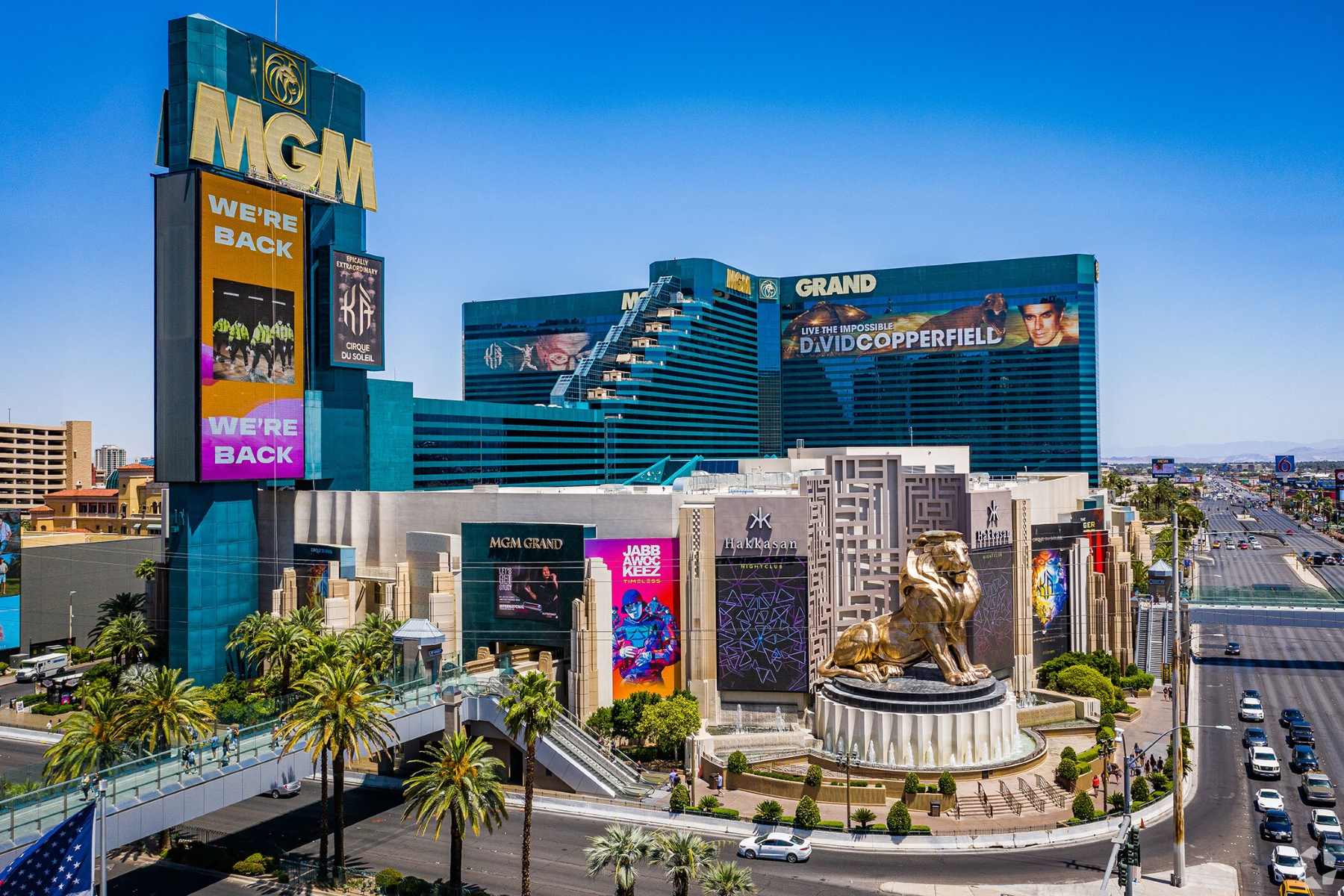
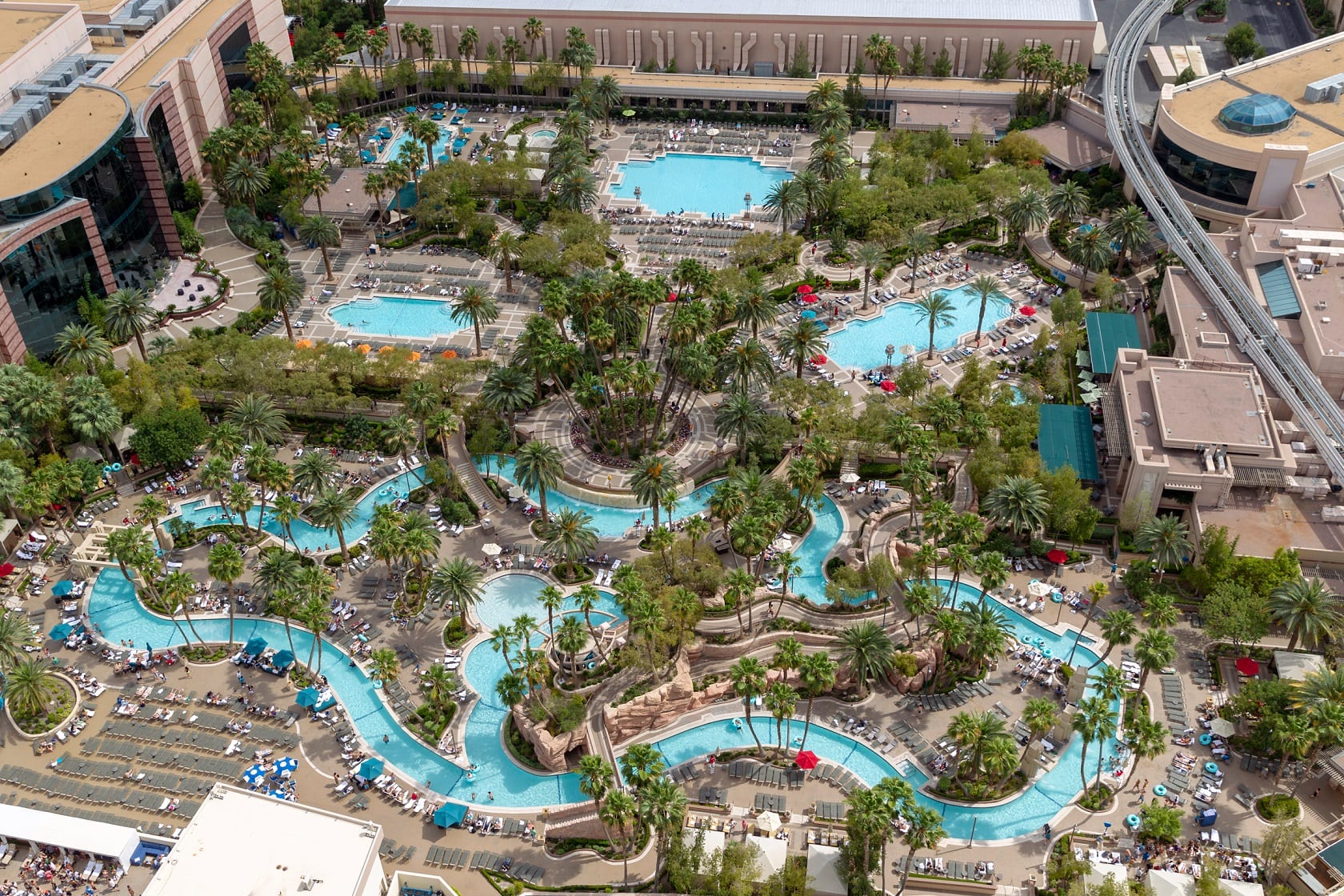
A property like MGM Grand, Bellagio or MGM Macau cannot be easily recreated. These assets are built on location, brand, licenses, customer loyalty and years of operating experience.
That is why physical casino and resort assets remain powerful.
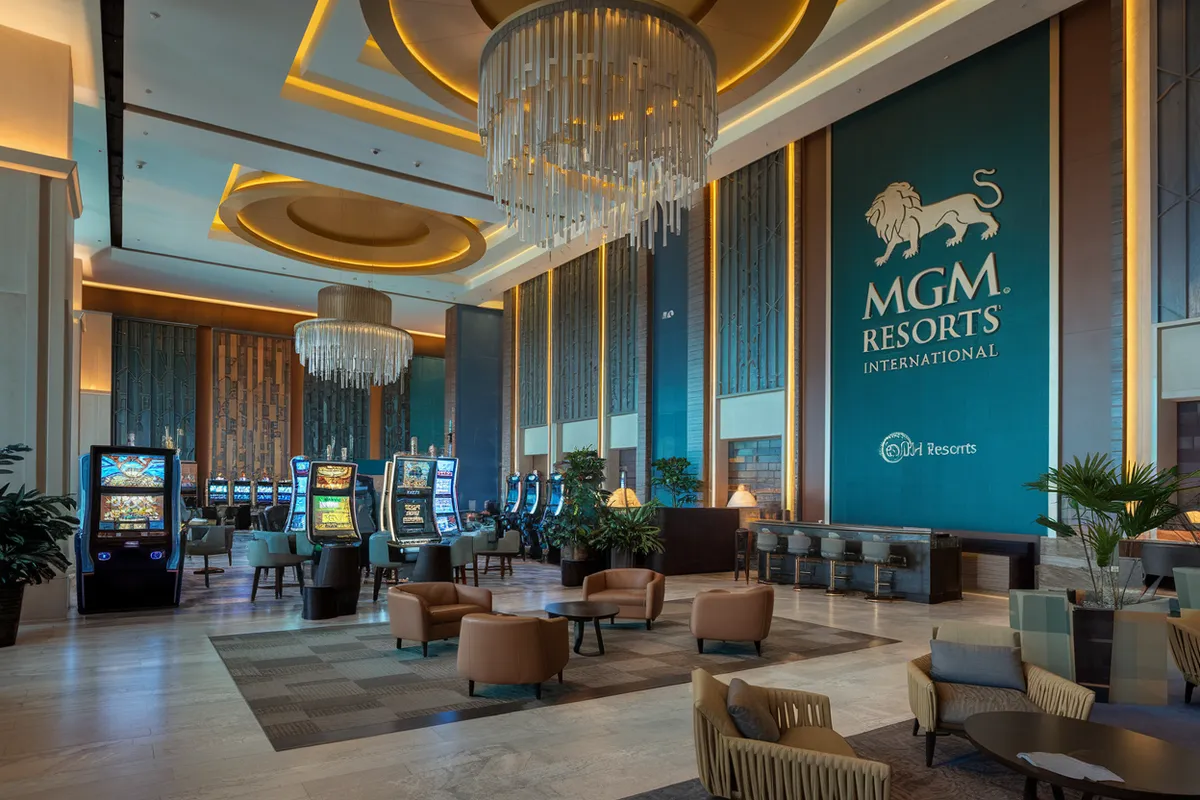
They are not just buildings. They are experience platforms.
Customers come for gaming, entertainment, dining, shopping, events, hotel stays and lifestyle experiences. This gives MGM multiple ways to monetize the same customer journey.
The Digital Growth Opportunity
The second part of the MGM story is digital.
BetMGM gives MGM exposure to online sports betting and iGaming. This is important because the future customer may not start their relationship with MGM inside a casino.
They may start through a mobile app, a betting account, a loyalty offer, a digital campaign, or an online promotion.
The real opportunity is to connect digital users back into MGM’s physical ecosystem.
For example, a BetMGM customer could later receive personalized offers for hotel stays, events, dining or entertainment. A resort guest could also be encouraged to engage with digital gaming products after their visit.
This is where the future value sits — not only in gaming revenue, but in the full customer lifecycle.
Why Private Ownership Could Be Attractive
Public companies are often judged by quarterly results. Investors want short-term performance, margin discipline and predictable earnings.
But integrated resorts require long-term investment.
MGM needs to invest in property upgrades, digital platforms, customer data systems, loyalty programs, responsible gaming tools, cybersecurity and operational efficiency.
A private or more controlled ownership structure may allow MGM to move faster and make longer-term decisions without constant public market pressure.
That does not mean private ownership is always better. But for a business with large physical assets and major digital transformation potential, control can be valuable.
The Technology Lesson for Casino Operators
From a web application and technology best-practice perspective, this deal highlights one major truth:
Casino operators are no longer just casino operators.
They are now technology companies, data companies, marketing platforms, loyalty platforms and compliance-driven digital businesses.
The value of a gaming company increasingly depends on the quality of its digital foundation.
A modern casino operator should have:
A unified customer profile across online and offline channels.
A strong loyalty platform connected to hotel, gaming, dining and entertainment activity.
Real-time marketing automation and offer personalization.
Secure APIs connecting mobile apps, websites, CRM, payment systems and property systems.
Responsible gaming monitoring and compliance dashboards.
Strong cybersecurity and data privacy controls.
Reliable reporting for management, operations and marketing teams.
This is where many operators still have room to improve.
The casino floor may generate revenue, but the digital layer creates long-term customer intelligence.
The Marketing Lesson: Build an Ecosystem, Not Just Campaigns
From a marketing perspective, MGM’s value is not only in its brand name. It is in its ability to own the customer journey.
The old model was campaign-based.
Promote hotel rooms. Promote shows. Promote gaming. Promote dining.
The new model is ecosystem-based.
Understand the customer. Connect their online and offline behavior. Personalize offers. Reward loyalty. Extend engagement before, during and after the visit.
This is where casino marketing must evolve.
A customer should not feel like a “hotel customer” in one system, a “casino customer” in another system, and a “digital gaming customer” somewhere else.
The future belongs to operators that can create one connected customer experience.
Why This Matters for Asia
This deal also matters for Asia’s gaming and hospitality markets.
Macau, Singapore, the Philippines, South Korea and other regional markets are all moving toward more diversified integrated resort models.
Gaming alone is no longer enough.
Operators must combine entertainment, tourism, luxury retail, MICE, food and beverage, digital engagement, and responsible gaming.
For Asia-based operators, MGM’s situation is a reminder that global capital still sees strong value in integrated resorts — but only when they can evolve beyond traditional casino revenue.
Original Insight: MGM Is Being Valued as a Platform
The most important insight is this:
MGM is not only being valued as a casino company.
It is being valued as a platform.
A platform made of physical destinations, digital channels, customer data, entertainment assets, loyalty programs and brand trust.
That is why Barry Diller’s comment about real-world assets and digital growth is so important.
The winning gaming companies of the future will not be those with only the largest casino floors. They will be the ones that can turn every customer interaction into a connected, personalized and profitable experience.
Final Takeaway
Whether this deal is completed or not, the message is clear.
The casino industry is entering a new phase.
Investors are looking beyond short-term gaming revenue. They are looking at brand strength, property assets, digital potential, customer data, loyalty ecosystems and long-term control.
For MGM, this offer shows the hidden value inside a well-known integrated resort operator.
For the wider industry, it is a reminder that the future of gaming will be shaped by companies that can combine physical experience with digital intelligence.
The casino of the future is not just a place people visit.
It is a connected entertainment ecosystem.