
 Content Writer: Janice Chew • Monday, 26/02/2026 - 16:03:51 - PM
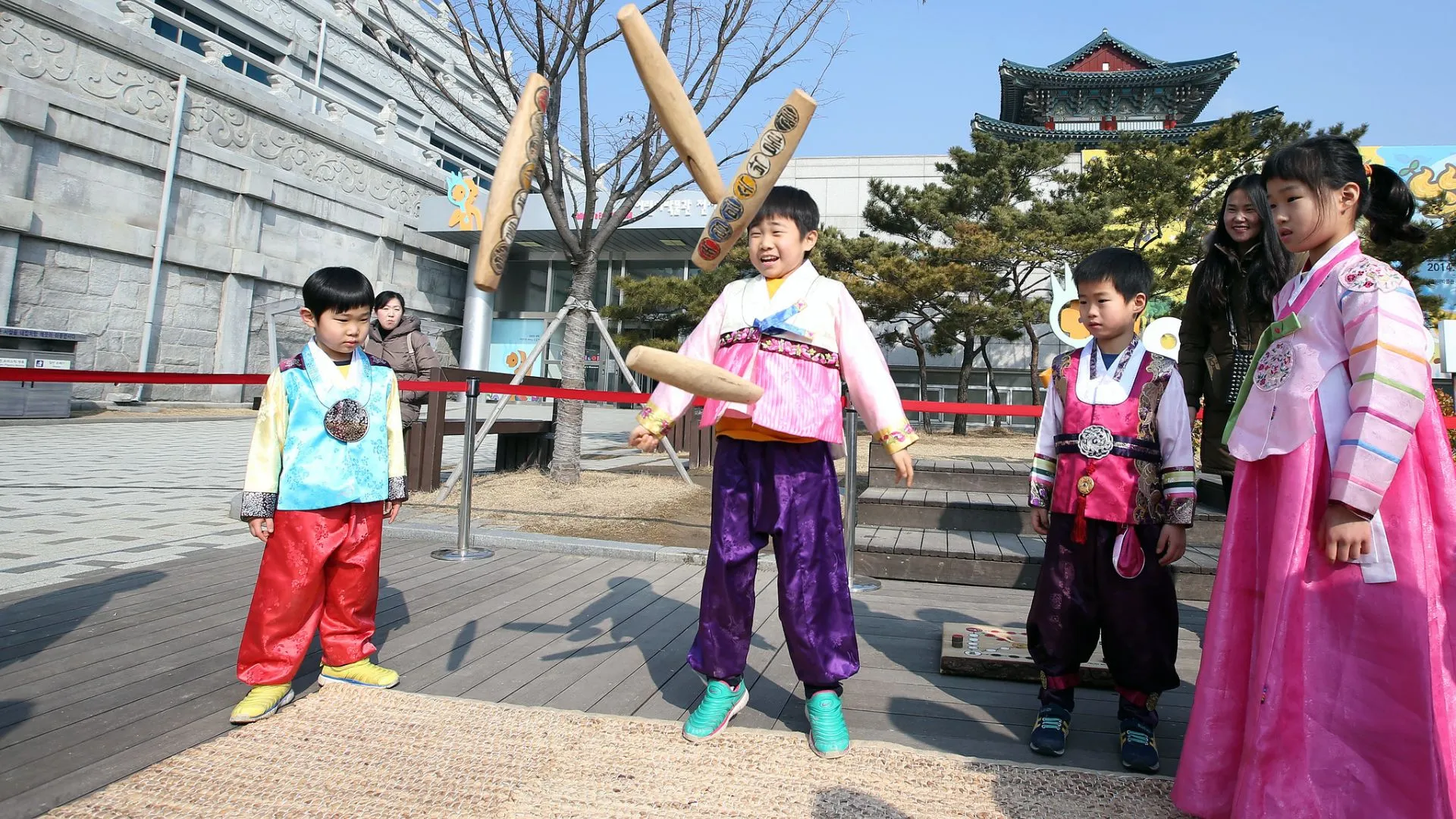
Chinese New Year travel flows provided a seasonal boost to South Korea’s tourism-linked sectors, lifting retail, hospitality and foreigner-only casino performance, according to regional industry reporting. The holiday period — traditionally one of Asia’s busiest travel windows — saw increased inbound visitation, particularly from China and other Northeast Asian markets, translating into stronger footfall at shopping districts, integrated resorts and gaming venues.
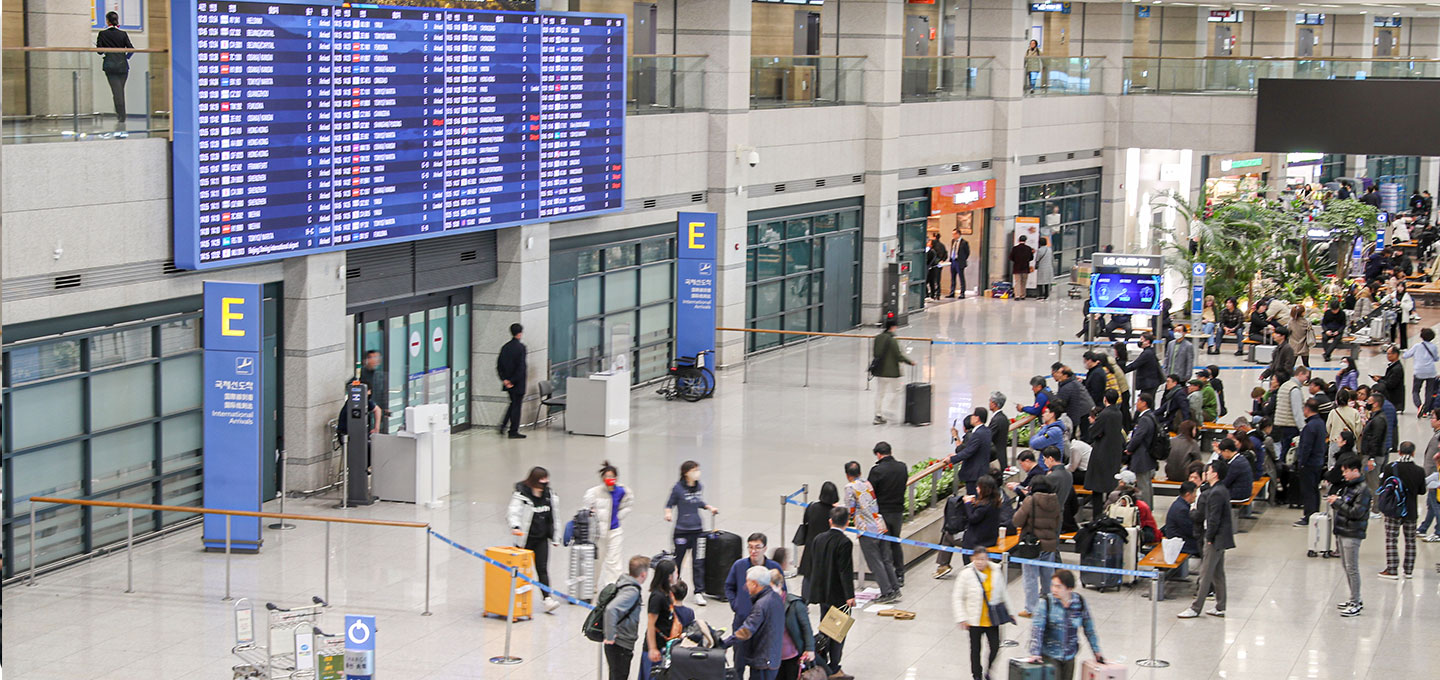
Foreigner-only operators such as Paradise Co Ltd and Grand Korea Leisure were among the key beneficiaries. Properties like Paradise City in Incheon and casino venues in Seoul and Busan reported improved visitation trends during the festive period. These operators rely heavily on overseas patrons, making holiday-driven travel rebounds particularly significant for quarterly performance.
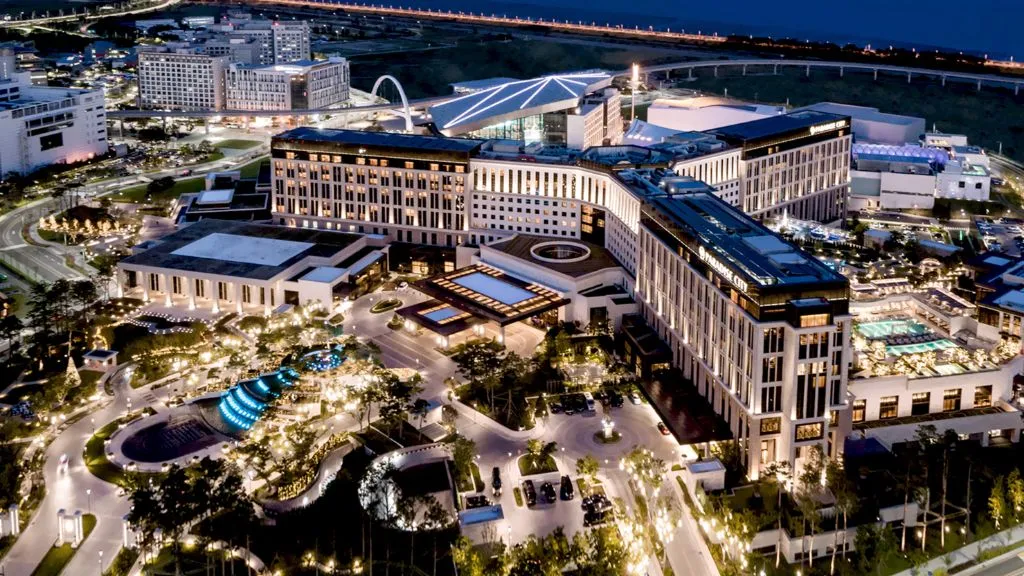
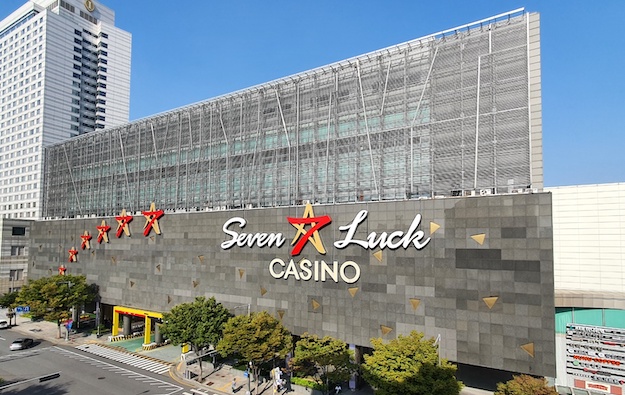
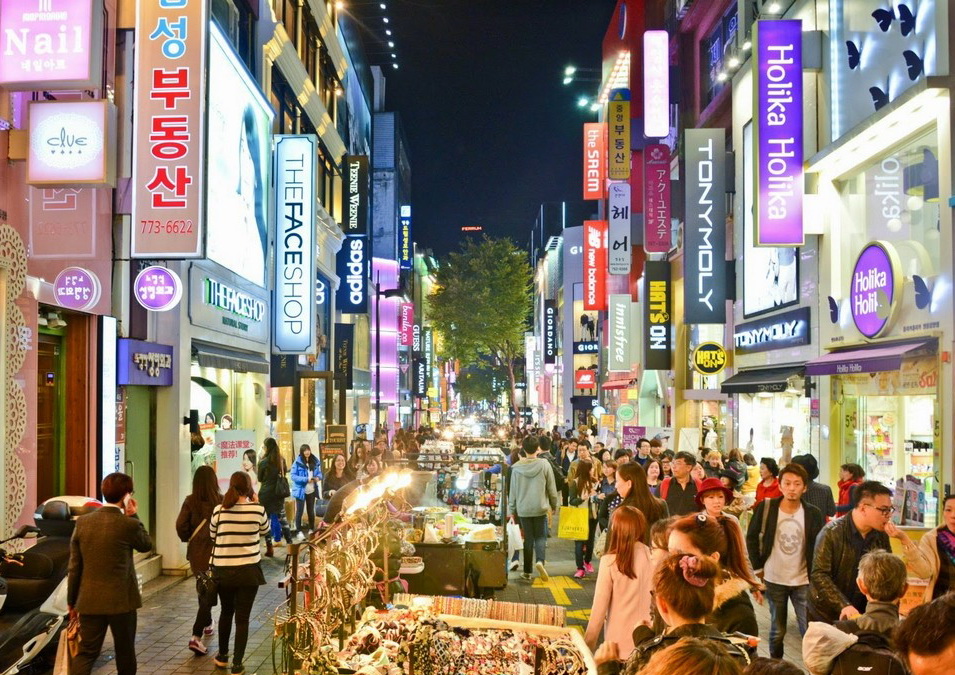
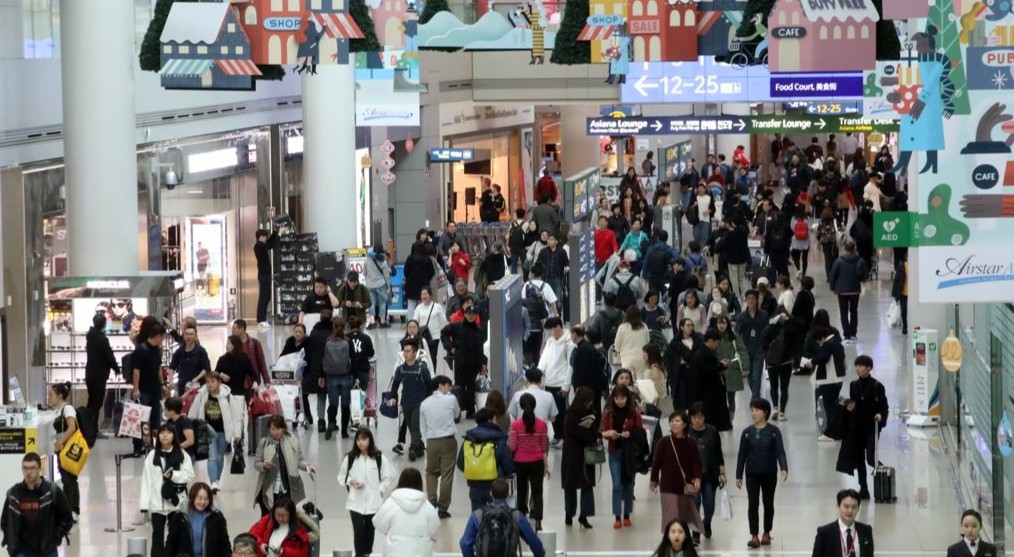
Retail and hotel segments also saw stronger occupancy and spending patterns, especially in high-traffic zones such as Myeongdong and near major transport hubs like Incheon International Airport. Department stores, duty-free outlets and luxury brands typically experience heightened demand during Lunar New Year, as tourists combine leisure travel with high-value shopping. Industry analysts note that the rebound reflects gradual normalization of outbound Chinese travel, though volumes remain sensitive to geopolitical and economic conditions.
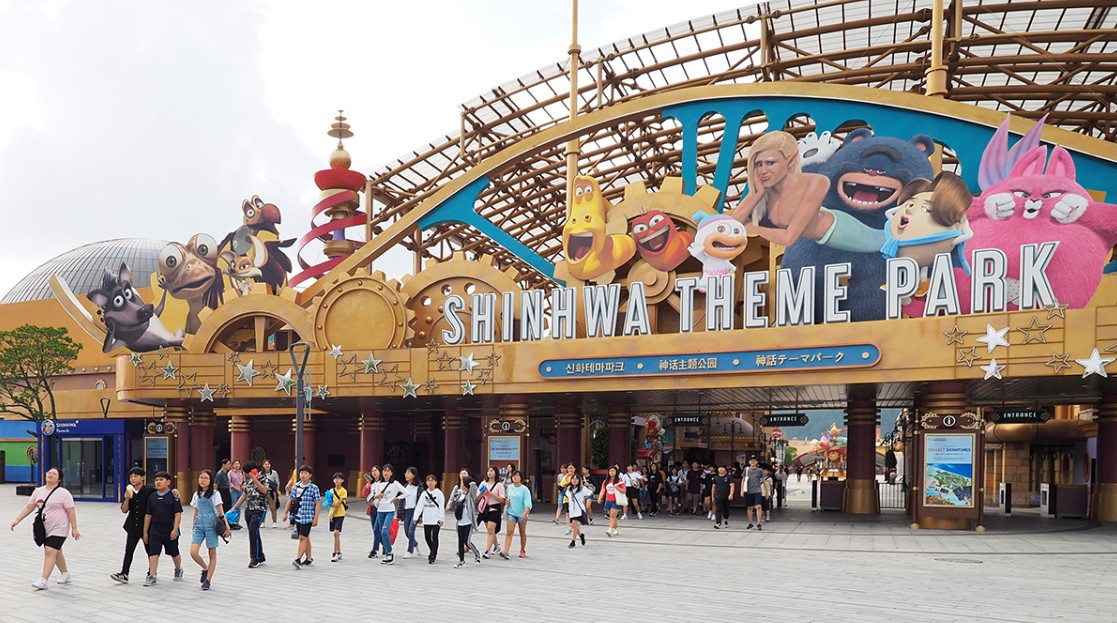
Jeju Island, home to multiple integrated resorts including Jeju Shinhwa World, also benefited from seasonal inflows. Jeju’s visa-free entry for certain nationalities continues to position it as a convenient gaming and leisure destination. However, operators remain cautious, as recovery patterns have been uneven and heavily dependent on airline capacity and regional travel policies.
From a strategic perspective, the Lunar New Year surge highlights the continued importance of Chinese outbound tourism to Korea’s gaming ecosystem. While South Korea’s casinos are restricted to foreign patrons (with one exception for domestic play), holiday-driven demand demonstrates how concentrated travel windows can materially influence revenue performance. Operators are increasingly investing in premium mass targeting, hospitality upgrades and digital marketing across key source markets to capture these peak travel periods more effectively.
Looking ahead, sustained growth will depend on broader tourism normalization rather than seasonal spikes alone. Nonetheless, the Chinese New Year uplift offers a positive signal for Korea’s integrated resort and casino sector — reinforcing the structural link between cross-border mobility, retail spending and gaming revenue in Northeast Asia’s competitive leisure landscape.