 Content Writer: Janice Chew • Monday, 26/02/2026 - 14:38:02 - PM
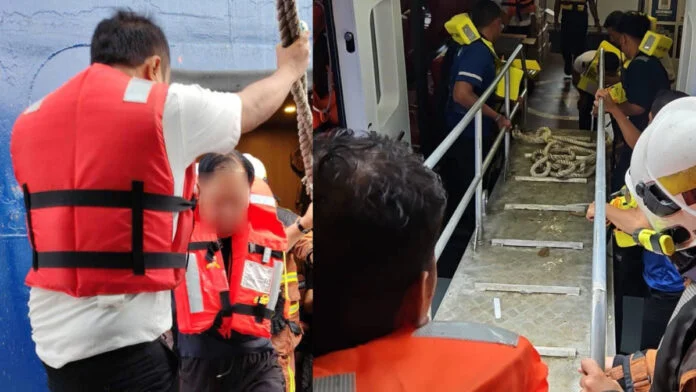
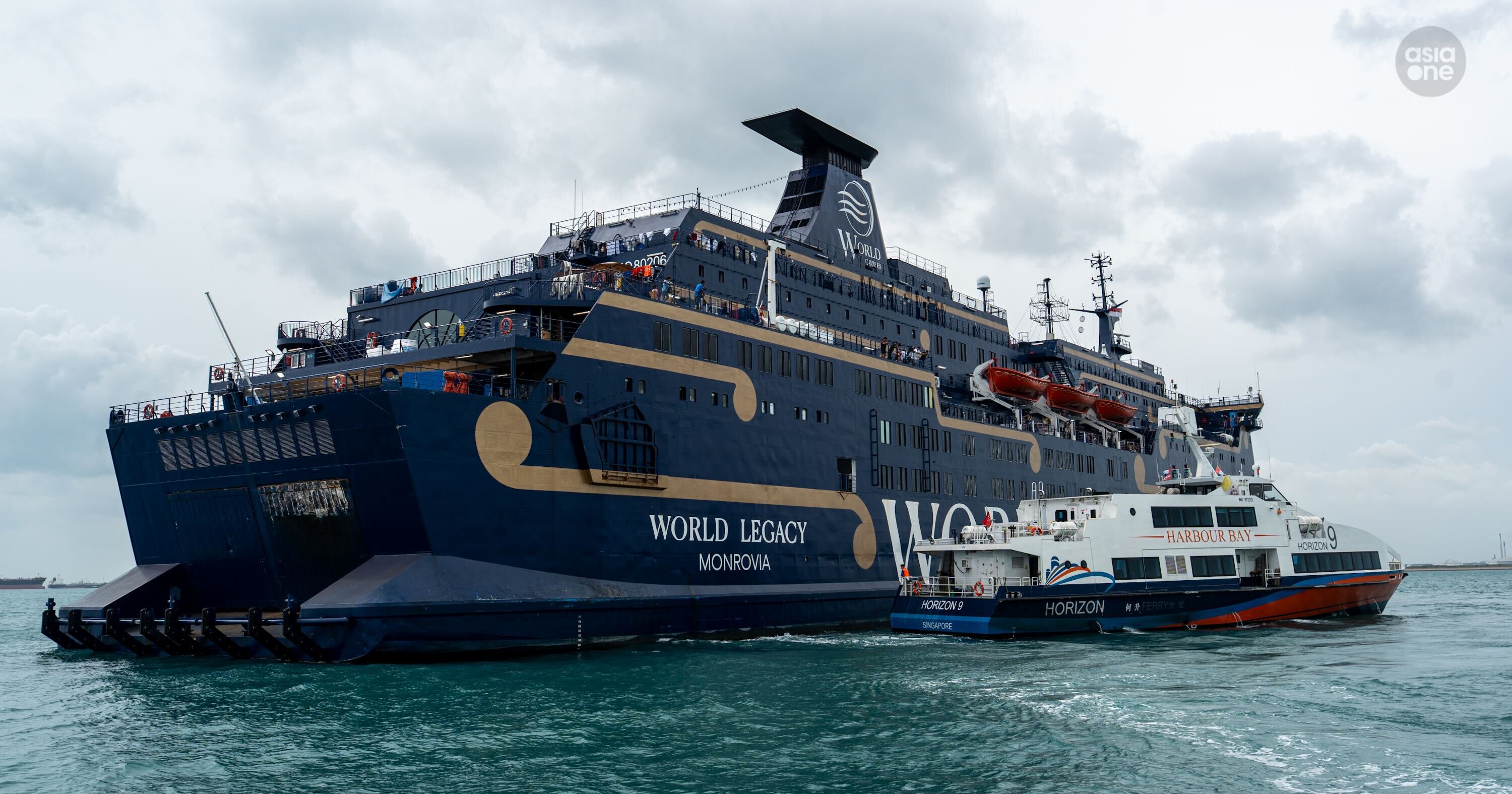
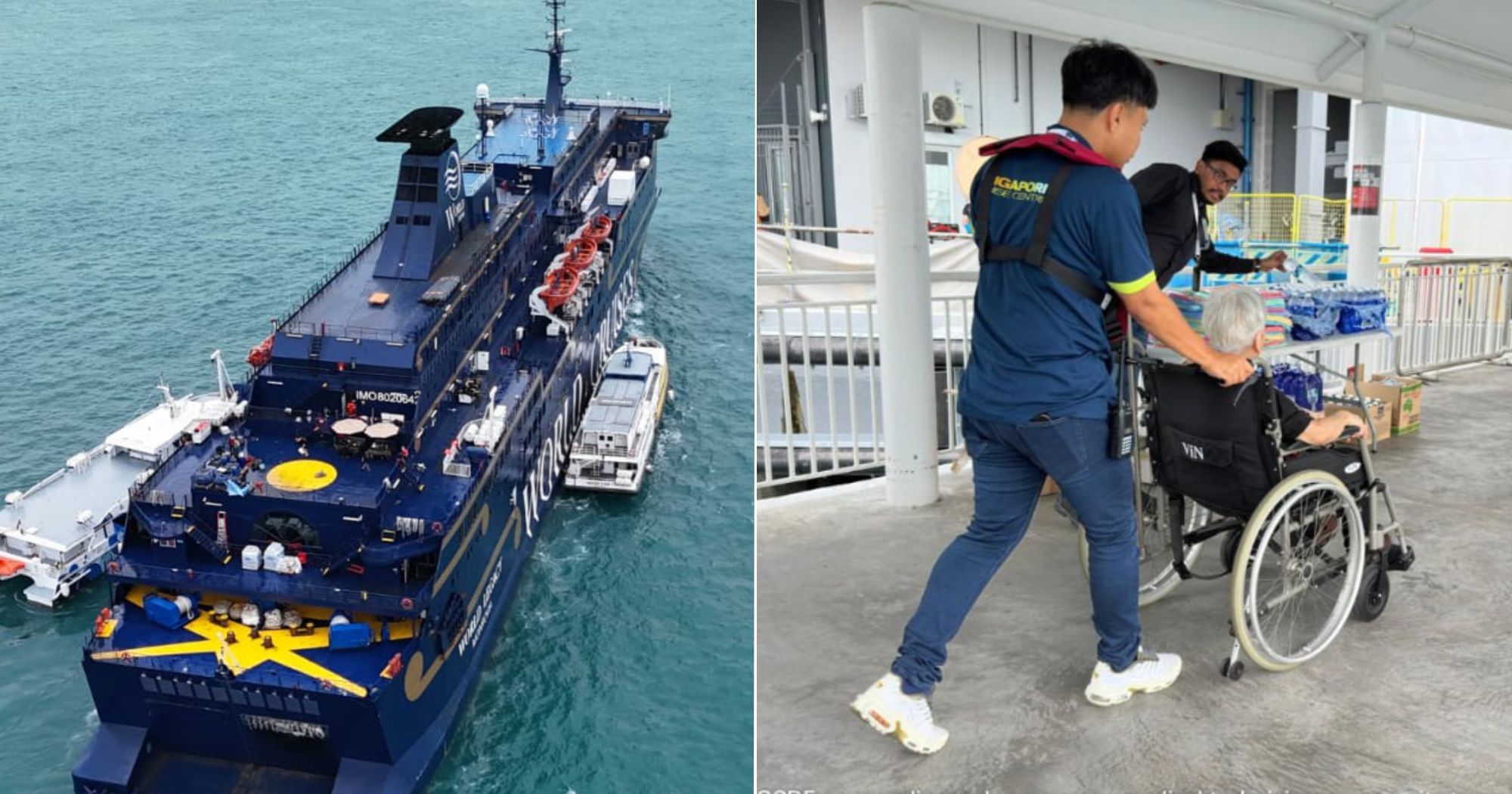
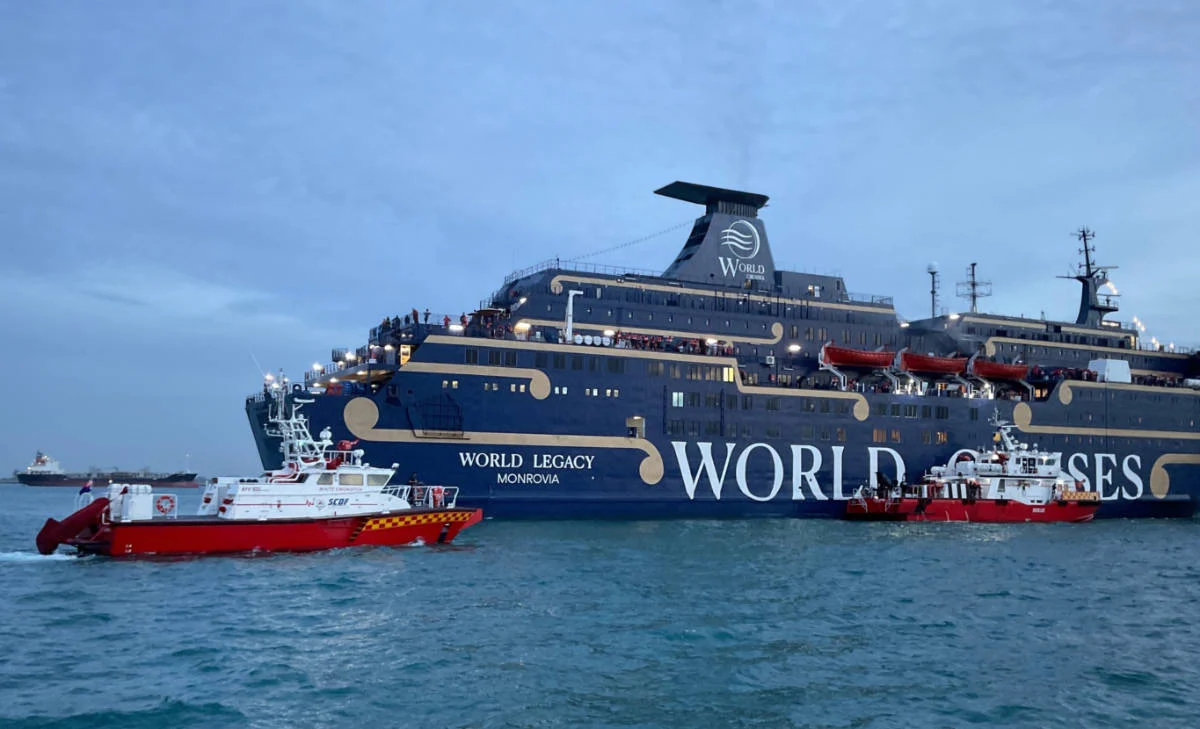
A fire aboard a Singapore-based casino cruise ship has resulted in one fatality, drawing renewed attention to maritime safety standards within Asia’s fast-growing cruise gaming segment.
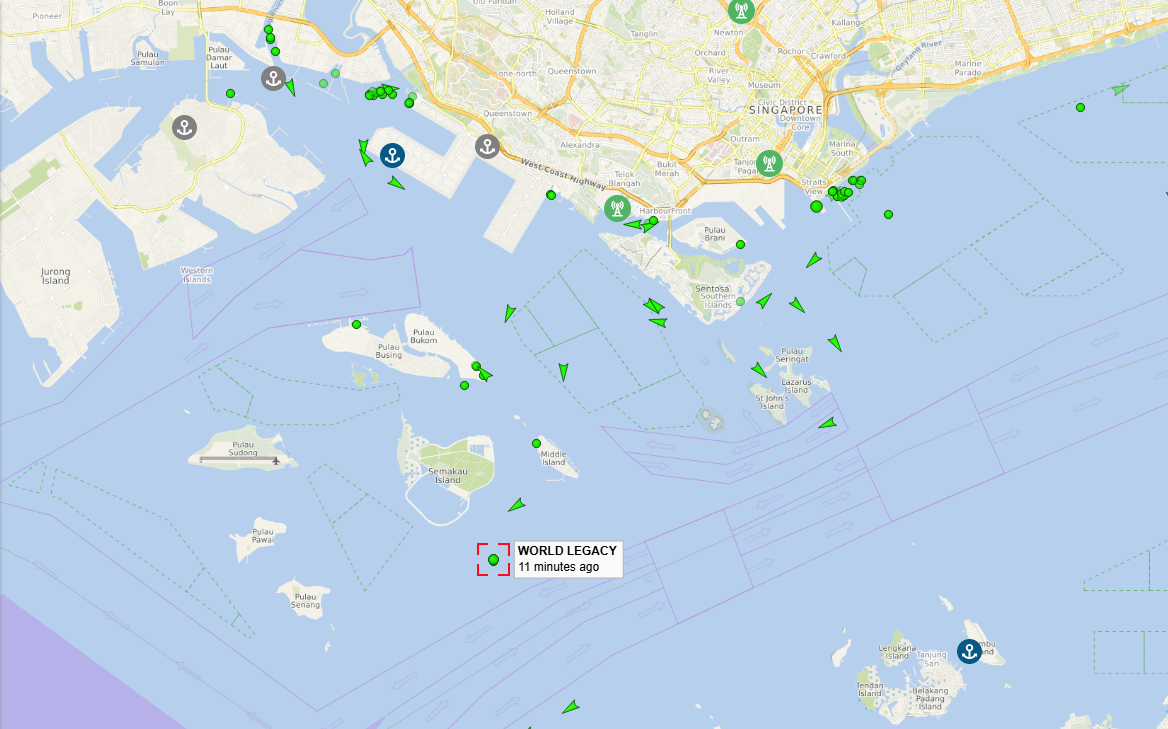
The incident occurred while the vessel was operating in regional waters. Emergency response procedures were activated swiftly, and the blaze was reportedly contained. However, the tragic loss of life underscores the operational risks facing cruise operators, particularly those running integrated casino facilities at sea.
While investigations are ongoing, authorities are expected to assess both the technical cause of the fire and compliance with maritime safety regulations.
The Vessel and Operator Context
The ship involved is associated with Resorts World Cruises, a regional cruise operator with strong links to the broader Genting brand ecosystem. The group operates vessels such as the Genting Dream, offering short-haul itineraries from Singapore and other Asian ports.
Singapore-based casino cruises occupy a unique niche in Asia’s gaming landscape. Unlike land-based integrated resorts such as Marina Bay Sands or Resorts World Sentosa, cruise ships operate under maritime jurisdiction once outside territorial waters. This creates a layered regulatory environment involving:
-
Maritime safety authorities
-
Port state control agencies
-
Gaming compliance frameworks
-
Insurance and risk governance
From an industry standpoint, any onboard emergency — especially one involving casualties — has reputational implications beyond the individual operator.
Strategic Industry Takeaways
As Asia’s cruise sector continues to expand — particularly in Southeast Asia — operators must treat safety infrastructure as a core brand asset, not merely a regulatory requirement.
For casino cruise operators, this includes:
-
Dedicated fire compartmentalization near gaming equipment
-
Redundant power isolation systems
-
Real-time surveillance integration with emergency systems
-
AI-assisted anomaly detection for electrical load monitoring
The convergence of hospitality, gaming, and maritime logistics demands enterprise-level risk management frameworks comparable to land-based integrated resorts.
Broader Regional Context
Singapore has positioned itself as a key cruise hub in Asia. Its maritime governance is among the most structured in the region. While isolated incidents do not define the sector, they serve as reminders of the operational complexity behind leisure gaming experiences.
The cruise gaming model remains commercially attractive — particularly for short-haul entertainment tourism — but sustainable growth depends on:
-
Strong safety governance
-
Technological redundancy
-
Transparent crisis management
-
Continuous crew training
Final Thoughts
The tragic incident aboard the Singapore-based casino cruise ship is first and foremost a human loss. Beyond that, it highlights the critical intersection of safety, reputation, and regulatory oversight within Asia’s cruise gaming ecosystem.
For industry stakeholders — from operators to regulators — the event reinforces a fundamental principle:
Operational excellence in hospitality begins with uncompromising safety standards.
As investigations proceed, the sector will be watching closely — not only for answers, but for the next phase of safety reinforcement in Asia’s evolving cruise and gaming landscape.