
 Content Writer: Janice Chew • Wednesday, 26/03/2026 - 13:38:21 - PM
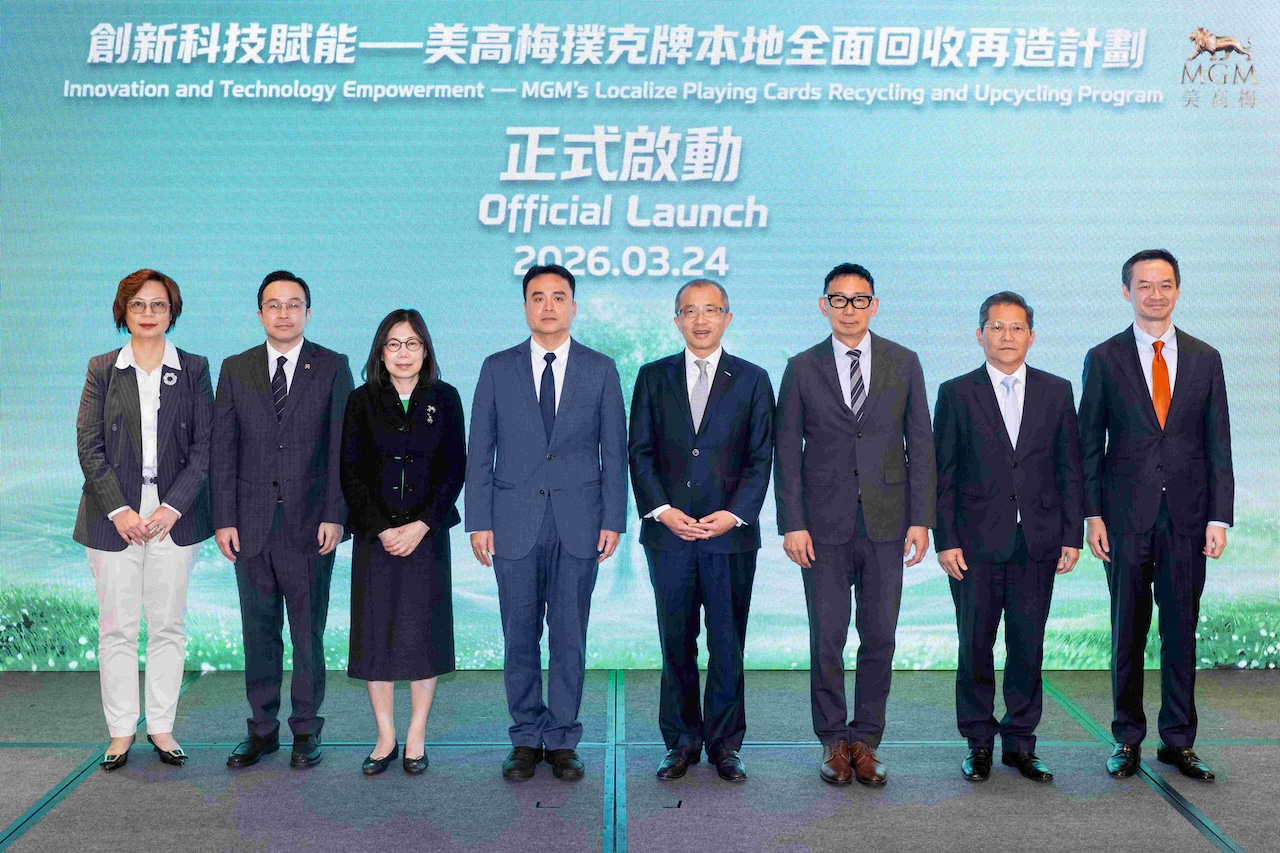
MGM China has officially launched a playing card recycling and upcycling program, marking a significant step forward in the gaming industry’s ESG transformation.
While recycling casino materials may sound operational, this initiative is anything but small.
It represents a shift toward technology-driven sustainability at scale.
Reinventing Waste: From Playing Cards to Valuable Resources
Casinos use millions of playing cards annually, most of which are destroyed after use to maintain game integrity.
MGM China is now changing that narrative through a fully integrated, on-site recycling system.
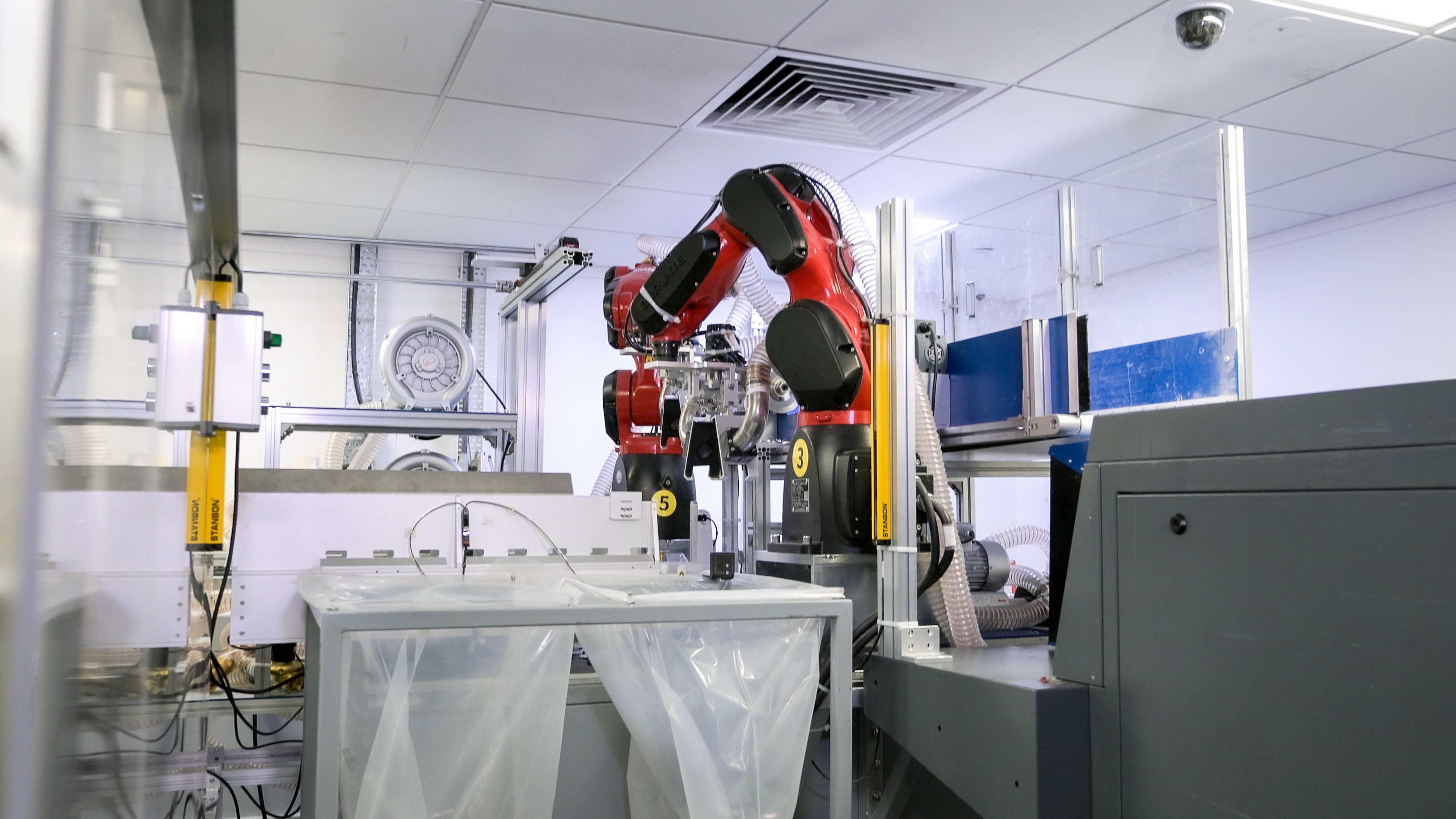
How the Technology Works
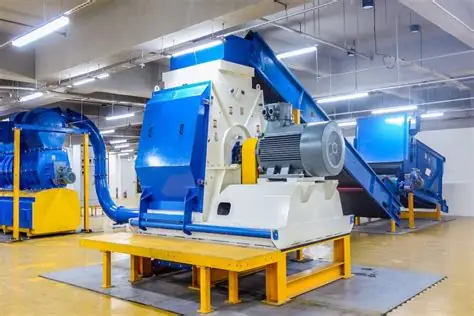
- Uses an intelligent shredding system to process used cards
- Applies dry fiber regeneration technology
- Converts shredded material into high-quality recycled fibers
- Achieves this without using water
This is critical:
- Reduces environmental footprint
- Eliminates water consumption (a major ESG win)
From Waste to Product: Closing the Loop
The regenerated fibers are not just recycled — they are repurposed into usable products, including:
- Eco-friendly packaging materials
- Filler materials
- Recycled boards
This transforms waste into commercial-grade materials, unlocking:
- Circular economy benefits
- New industry applications
- Potential downstream business opportunities
Scale & Impact: Not a Pilot, But a System
Upon full implementation, MGM expects:
- ~3,000 tons of playing cards recycled annually
- 100% recycling rate
This is not symbolic ESG —
this is industrial-scale sustainability inside a casino operation.
Strong Institutional Backing
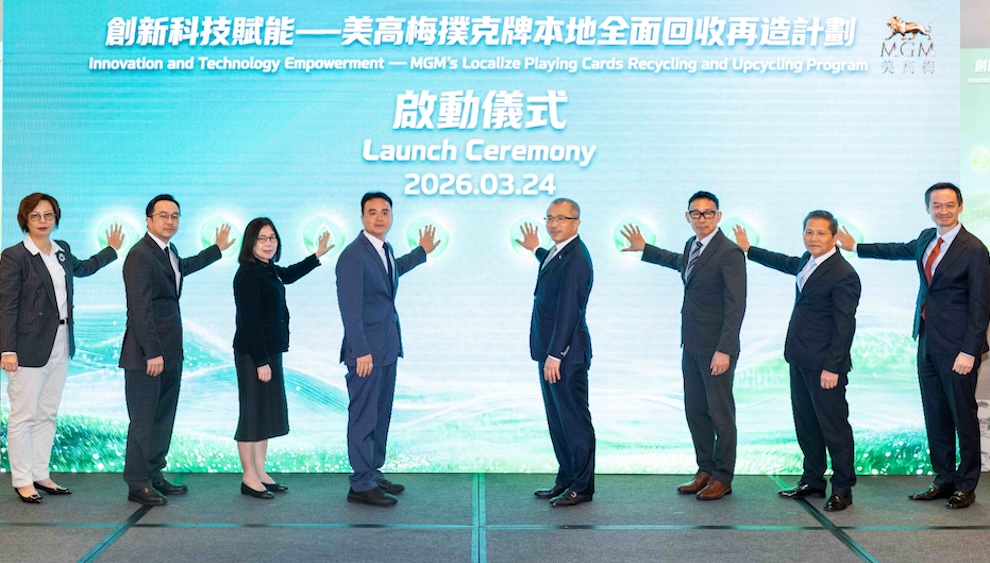
The initiative was officially launched at a ceremony attended by key stakeholders, including:
- Lio Chi Chong, Acting Director of the Gaming Inspection and Coordination Bureau (DICJ)
- Vai Hoi Ieong, Deputy Director of the Environmental Protection Bureau (DSPA)
- Kenneth Feng, CEO of MGM China
- Han Tian, COO of MGM China
This level of participation signals:
Alignment between regulators, operators, and environmental bodies
Leadership Vision: Tech-Driven Sustainability
Kenneth Feng emphasized the strategic intent:
“MGM has always been committed to exploring more efficient and forward-looking sustainability solutions through innovative technology.”
He added:
“This program not only reflects our efforts to enhance resource efficiency through technology, but also highlights our determination to collaborate with local tech enterprises to turn research and development into practical applications.”
Key takeaway:
- Sustainability is no longer compliance
- It is innovation + ecosystem collaboration
Alignment with National & Regional Strategy
The initiative supports broader policy frameworks:
- China’s “Dual Carbon” goals (carbon peak & neutrality)
- The 15th Five-Year Plan (green, low-carbon development)
- Macau’s long-term decarbonization strategy
This positions MGM China as:
- Not just an operator
- But a policy-aligned industry leader
What This Means for the Gaming Industry
1. ESG Is Now Operational, Not Theoretical
This program shows:
- Sustainability can be embedded directly into operations
- Not just reported in annual ESG reports
2. Waste Streams = Business Opportunities
What was once disposal cost is now:
- Recyclable input
- Product output
- Potential revenue stream
3. Technology Is the Enabler
Without:
- Intelligent shredding
- Dry fiber regeneration
Strategic Insight (Where the Opportunity Is)
For builders and tech players, this opens a powerful space:
- ESG tracking platforms
- Waste-to-value systems
- IoT-enabled resource monitoring
- Sustainability analytics dashboards
Especially for:
- Integrated resorts
- Large-scale entertainment operators
The Bigger Shift
This initiative signals a broader transformation:
- Casinos evolving into sustainable integrated ecosystems
- ESG becoming part of core operations
- Technology bridging compliance → innovation → monetization
Final Take
MGM China’s program is not just about recycling playing cards.
It’s about redefining how casinos think about resources, technology, and responsibility.
The future of gaming isn’t just about maximizing revenue —
it’s about maximizing efficiency, sustainability, and long-term value.