
 Content Writer: Janice Chew • Tuesday, 26/07/2026 - 22:30:33 - PM
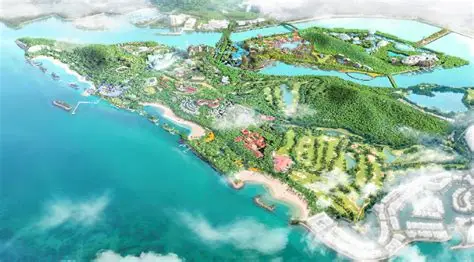
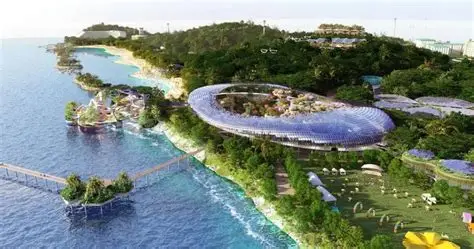
Singapore is preparing one of its biggest tourism transformations through the Greater Sentosa Master Plan, a long-term redevelopment that will integrate Sentosa with nearby Brani and reshape the area into a larger island destination for leisure, nature, entertainment, hospitality and lifestyle experiences.
This is not a simple attractions upgrade. It is a major destination strategy.
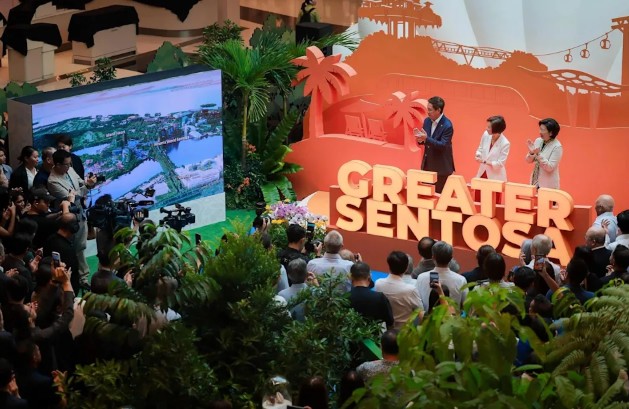
The plan aims to create new reasons for both locals and international visitors to return to Sentosa across different times of the day, different travel occasions and different life stages. For Singapore’s tourism, hospitality and integrated resort industry, the Greater Sentosa Master Plan signals a clear direction: the future visitor experience must be more immersive, more connected, more sustainable and more digitally enabled.
What Is the Greater Sentosa Master Plan?
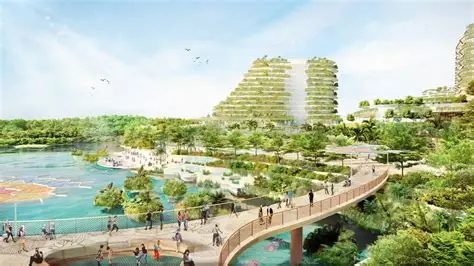
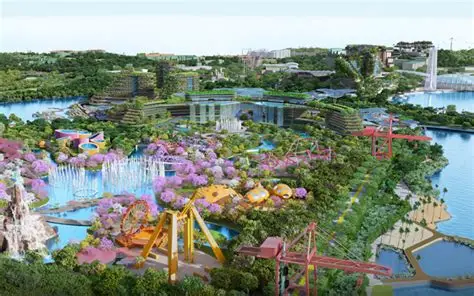
The Greater Sentosa Master Plan will bring Brani into Sentosa’s broader tourism ecosystem, unlocking new land for hotels, attractions and next-generation experiences.
Sentosa has already been one of Singapore’s most recognisable leisure destinations for decades, but the next phase is about scale and reinvention.
The master plan includes several major ideas:
New landmark attractions.
Nature-based experiences.
Reimagined beaches and coastlines.
New hotels and lifestyle concepts.
Improved transport connectivity.
More day-to-night destination experiences.
Stronger sustainability and climate-resilience planning.
The transformation will be rolled out progressively over the next two decades, with new developments expected to come online from the early 2030s.
A Bigger Island Playground
The integration of Brani is strategically important.
Land is limited in Singapore, and Sentosa’s future growth cannot depend only on refreshing existing attractions. By bringing Brani into the wider plan, Singapore gains more space to create larger tourism concepts and more flexible destination zones.
This matters because global tourism competition is getting stronger.
Singapore is competing not only with regional cities, but also with major integrated resort and entertainment destinations across Asia, including Macau, Japan, South Korea, Thailand, Vietnam and the Philippines.
Greater Sentosa gives Singapore the opportunity to strengthen its positioning as a premium, family-friendly, lifestyle-driven and experience-led destination.
Speaker Insight: “The Greatest Transformation in Our History”
Sentosa Development Corporation CEO Thien Kwee Eng described the Greater Sentosa Master Plan as “the greatest transformation in our history.”
That statement is important because Sentosa is not being positioned as just another resort island. It is being repositioned as a global Singapore brand with emotional value for locals and tourism value for international visitors.
She also highlighted the importance of staying true to the “soul and identity” of the island while shaping the next generation of world-class experiences.
This balance matters.
If Sentosa becomes too commercial, it risks losing its natural charm. If it stays unchanged, it risks becoming less competitive. The challenge is to modernise without losing identity.
Nature-Based Experiences as a Competitive Advantage
One of the strongest parts of the plan is the focus on nature.
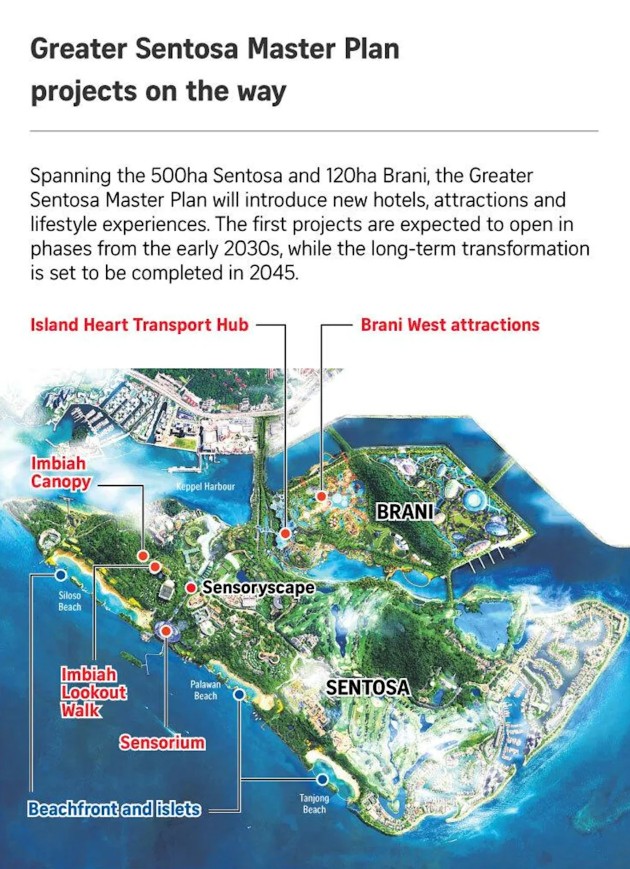
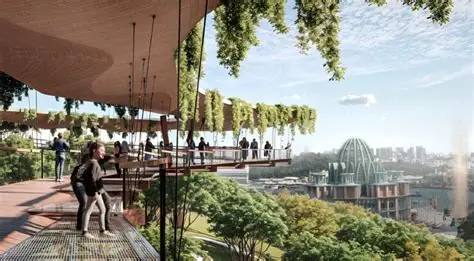
New features such as Imbiah Canopy, Imbiah Lookout Walk and expanded nature trails are designed to make Sentosa more than a beach and attractions destination.
The planned elevated forest canopy walk will connect Sensoryscape to Imbiah Lookout, while future trails may eventually connect Sentosa’s green spaces with the Southern Ridges on mainland Singapore.
This is smart positioning.
Modern travellers increasingly value wellness, nature, outdoor experiences and slower forms of leisure. Not every visitor wants only theme parks, shopping or nightlife. Many also want greenery, walking trails, scenic views, coastal spaces and places to relax.
For Singapore, which is already highly urbanised, Sentosa can become a powerful contrast: a nature-centric escape located minutes from the city.
Reimagined Beaches and Islet-Hopping
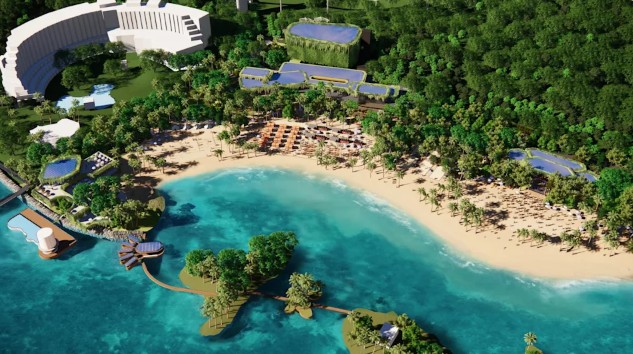
The plan also includes the rejuvenation of Siloso, Palawan and Tanjong Beach.
The idea is not only to improve the physical coastline, but to create new lifestyle experiences along the beachfront.
Possible concepts include coastal activities, floating boardwalks, islet-hopping, beach clubs, sunrise and sunset experiences, treetop dining and more flexible day-to-night spaces.
This is important because beach destinations must evolve.
A beach alone may attract visitors once. A beach with dining, entertainment, wellness, events, social spaces and digital content moments can attract repeat visits.
Sentosa’s future beach strategy appears to be moving from passive recreation to experience design.
Better Connectivity Will Be Critical
A major part of the plan is the Island Heart Transport Hub, which is intended to become a key gateway connecting Sentosa and Brani.
There are also plans for a new People Mover System to replace the existing Sentosa Express, with higher capacity and smoother connectivity across the island.
This is one of the most important operational elements.
Great attractions can fail if access is poor. Visitors remember queues, crowding, confusion and transport friction. If Greater Sentosa wants to attract significantly more visitors, transport must become part of the experience rather than a pain point.
The plan’s focus on land, air, sea and waterfront connectivity is therefore essential.
Why This Matters for Resorts World Sentosa
Resorts World Sentosa is already one of the island’s major anchors, with Universal Studios Singapore, Singapore Oceanarium, hotels, dining and entertainment.
The Greater Sentosa Master Plan will likely strengthen the wider ecosystem around RWS.
Upcoming experiences such as the Waterfront Lifestyle Development and SUPER NINTENDO WORLD at Universal Studios Singapore can help drive new visitation, especially from families, younger travellers and fans of global entertainment intellectual property.
This is where the integrated resort model becomes powerful.
When hotels, attractions, dining, entertainment, retail, gaming, events and lifestyle experiences are supported by a stronger island-wide destination, the entire ecosystem benefits.
Visitors may come for one attraction but stay longer because the wider destination offers more reasons to explore.
The Marketing Lesson: Sell the Destination, Not Just the Attraction
From a marketing perspective, the biggest lesson is that Sentosa must be marketed as a complete destination journey.
It should not rely only on individual attractions.
The stronger approach is to package experiences around visitor intent:
Family holiday.
Romantic getaway.
Wellness escape.
MICE and corporate retreat.
Premium leisure weekend.
Nature and coastal exploration.
Food, lifestyle and nightlife.
Theme park and entertainment travel.
Each visitor group has different motivations. A family with young children does not behave like a couple seeking a beach club weekend. A MICE traveller does not plan like a day-trip visitor. A regional tourist does not need the same messaging as a Singapore resident looking for a weekend escape.
Greater Sentosa gives marketers more content, more zones and more reasons to segment campaigns intelligently.
Sustainability Must Be More Than a Theme
The plan also places strong emphasis on sustainability, climate resilience, thermal comfort and ecological connectivity.
This is not optional.
Sentosa’s coastline faces long-term climate risks, including erosion and sea-level rise. Any major tourism development must therefore balance growth with environmental protection.
The focus on coastal protection, greenery, biodiversity, shaded routes and nature-sensitive development is important because tourism destinations are increasingly judged by how responsibly they grow.
Sustainability should not be treated as a side message. It should be part of the design, operations and guest experience.
A visitor should be able to feel the difference through cooler walkways, shaded spaces, more greenery, better coastal access and thoughtful conservation of natural areas.
Original Insight: Greater Sentosa Is Singapore’s Tourism Platform Strategy
The most important insight is that Greater Sentosa is not just a tourism project.
It is a platform strategy.
A platform brings together multiple operators, hotels, attractions, transport systems, lifestyle concepts, events, digital services and customer segments into one connected ecosystem.
This is similar to how modern digital platforms work. The more useful the ecosystem becomes, the more reasons users have to return.
For Sentosa, the goal should not only be more visitors. The goal should be higher-quality visits, longer stays, stronger repeat visitation and better visitor distribution across the island.
A well-executed Greater Sentosa can become Singapore’s living tourism platform: physical, digital, sustainable and emotionally connected to both locals and overseas visitors.
Final Takeaway
Singapore’s Greater Sentosa Master Plan is a major step in the next chapter of regional tourism and integrated resort development.
By integrating Sentosa with Brani, adding new attractions and hotels, reimagining beaches, expanding nature-based experiences and improving connectivity, Singapore is positioning Sentosa as a stronger global destination for the next two decades.
The opportunity is clear.
Greater Sentosa can become more than an island resort. It can become a connected tourism ecosystem where nature, leisure, hospitality, entertainment, technology and sustainability work together.
The real challenge will be execution.
If Singapore gets the balance right, Greater Sentosa will not only attract more visitors. It will create deeper experiences, stronger memories and a more resilient future for the country’s tourism industry.