
 Content Writer: Janice Chew • Wednesday, 26/03/2026 - 15:28:45 - PM
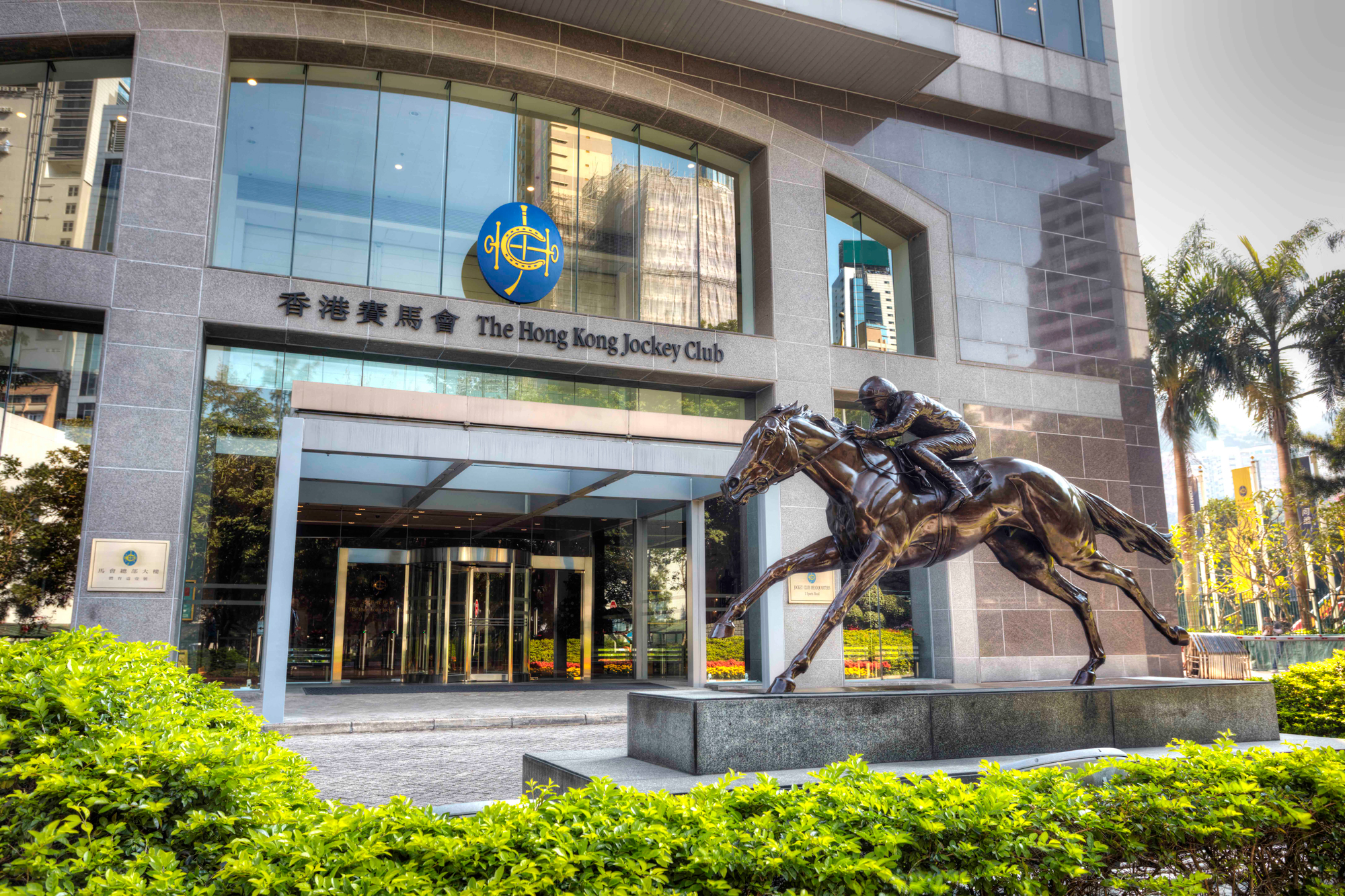
The Hong Kong Jockey Club (HKJC) has signed a Memorandum of Understanding with the Guangzhou Municipal Culture, Radio, Television and Tourism Bureau to promote horse-themed culture, sports and tourism in the Greater Bay Area. The centerpiece is the “Two Cities, Three Racecourses” concept: Happy Valley Racecourse and Sha Tin Racecourse in Hong Kong, plus Conghua Racecourse in Guangzhou.
This is not a conventional gaming-expansion story. It is more accurately a regional tourism, sports and cultural integration move, using horse racing as the anchor experience across Hong Kong and Guangzhou. The stated aim is to support Guangzhou’s development as a world-class tourism city while strengthening Hong Kong’s position as Asia’s events capital.

What the MOU is actually about
Under the agreement, the two sides will jointly promote horse-themed culture, sports and tourism in the Greater Bay Area and collaborate in four key areas tied to tourism promotion and cross-city development. Public reporting consistently frames the arrangement around tourism linkage and cultural-sports cooperation, not around betting liberalization or a new gaming regime.
The phrase “Two Cities, Three Racecourses” matters because it turns separate racing assets into one regional visitor proposition. In practical terms, HKJC is packaging its Hong Kong racecourses together with Conghua to create a broader destination journey rather than three standalone venues.
Why Conghua is now central
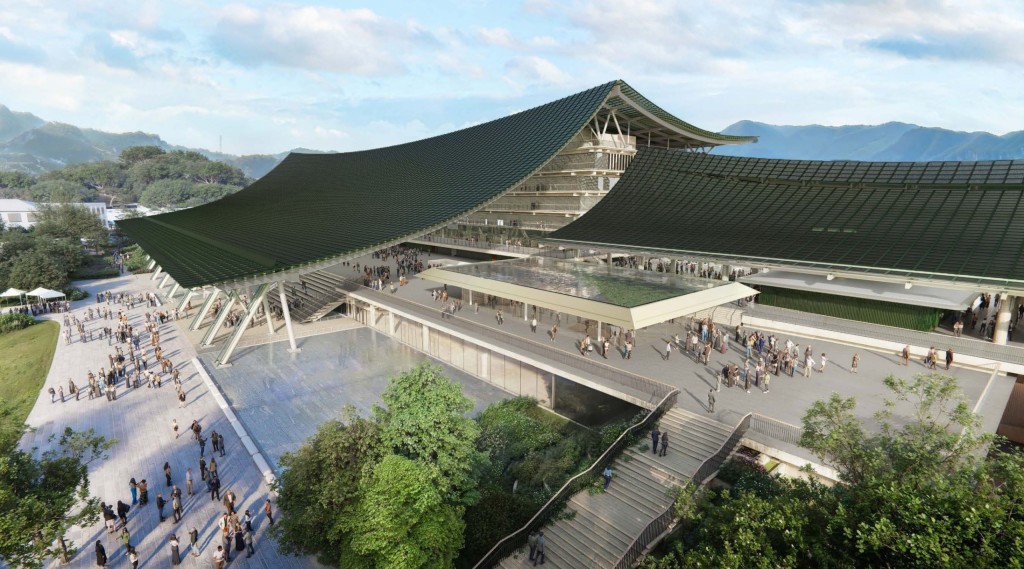
Conghua is becoming far more important to HKJC’s long-term strategy. HKJC has already said that, from the 2026/27 season, it will host regular race meetings at Conghua Racecourse in Guangzhou under the Club’s rules and regulations. It is also building a grandstand there with capacity for about 8,000 spectators, and has expanded stabling and training facilities while developing quarantine support for horse movement.
That timing matters because Guangzhou has also said horse racing events are set to return there from the end of October 2026, after a gap of 27 years. This gives the MOU immediate strategic relevance: it is arriving just as Conghua shifts from being mainly a training base to becoming a live spectator and event platform.
Original insight: this is really a corridor strategy
The most important angle is that HKJC is no longer thinking only in venue terms. It is thinking in corridor terms.
Happy Valley offers urban heritage and city-nightlife appeal. Sha Tin offers flagship race-day scale. Conghua adds mainland land capacity, training infrastructure and future event growth. Together, they create a multi-stop racing and tourism network across the Greater Bay Area. That gives HKJC something more defensible than a single racecourse brand: it creates a regional horse-tourism ecosystem. This is an inference from the announced “Two Cities, Three Racecourses” framework and HKJC’s Conghua expansion plans.
Why this matters beyond racing
There is a wider commercial logic here. Horse racing can drive more than race-day attendance. It can support hospitality, cultural events, family tourism, equestrian education, sports programming and cross-border travel itineraries. That is why the language of the MOU emphasizes culture, sports and tourism rather than wagering alone.
For Guangzhou, this helps deepen its tourism offering and link into Greater Bay Area leisure flows. For Hong Kong, it gives HKJC a stronger role in regional destination-building at a time when cross-border integration is a major policy theme.
A more useful way to read the story
The value-added takeaway is this: the agreement is less about “horse racing promotion” in isolation and more about experience aggregation.
HKJC already owns trusted racing IP, operating know-how and premium event credibility. By connecting that to Guangzhou’s tourism ambitions, it can turn racing into a broader lifestyle proposition across the GBA. If executed well, this could create a template for how legacy racing institutions evolve from local operators into regional culture-and-tourism platforms. This is an inference grounded in the MOU’s stated objectives and HKJC’s announced Conghua build-out.
Final take
The HKJC-Guangzhou MOU is best understood as a Greater Bay Area tourism integration play built around horse culture and racing infrastructure. The “Two Cities, Three Racecourses” model — Happy Valley, Sha Tin and Conghua — gives the partnership a concrete structure and a clearer commercial story than a generic cooperation agreement.
With Conghua moving toward regular race meetings from the 2026/27 season, this agreement looks less symbolic than it first appears. It may prove to be the foundation for a new cross-border horse tourism circuit in the GBA.