
 Content Writer: Janice Chew • Tuesday, 26/05/2026 - 00:20:26 - AM
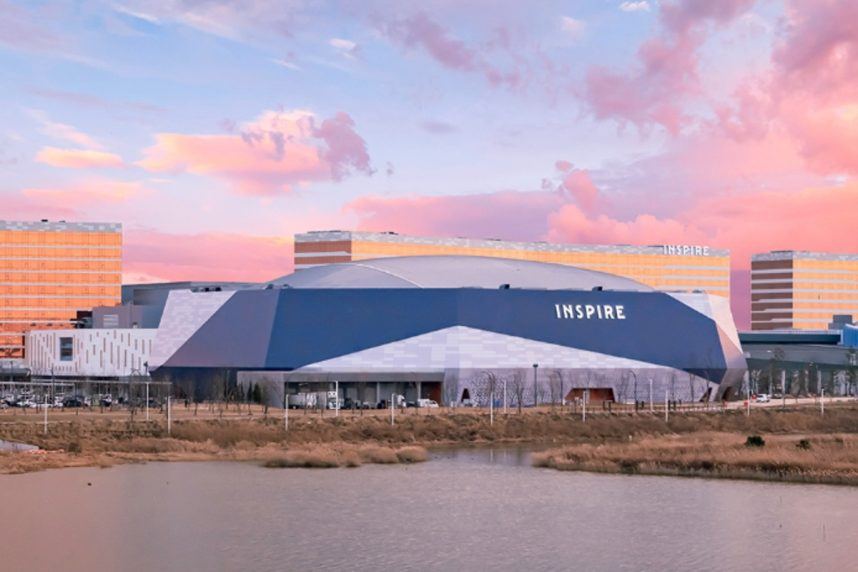
INSPIRE Entertainment Resort in South Korea has launched its first major internship recruitment drive since opening, reportedly hiring around 100 interns across casino gaming, hotel operations, and management support. The move comes as the resort sees stronger visitor demand but continues to manage heavy operating costs and profitability pressure.
INSPIRE’s cumulative visitors surpassed 10 million by the end of 2025, while foreign visitors in April rose 20% year-on-year, supported by demand from China, Japan, Taiwan, and the United States.
At first glance, this looks like a simple manpower strategy. But the deeper message is more important: INSPIRE is trying to convert rising foot traffic into sustainable operating performance without allowing fixed labour costs to grow too aggressively.
The Key Issue: Visitor Growth Is Strong, But Costs Must Be Controlled
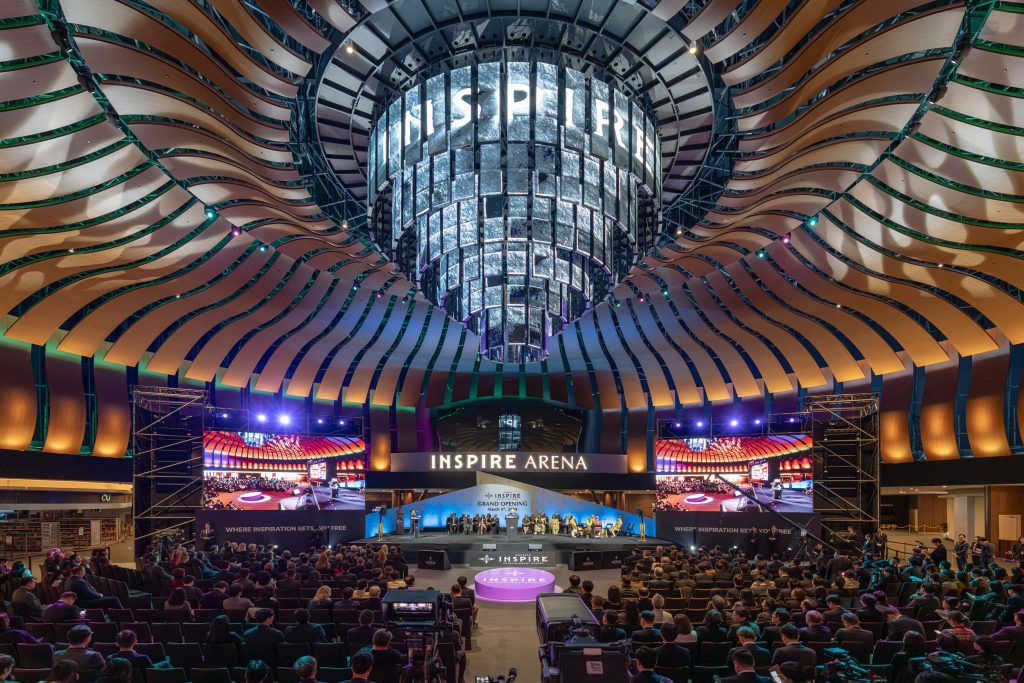
INSPIRE’s challenge is not lack of demand. The resort has gained real traction as a foreigner-only integrated resort near Incheon International Airport. Its 15,000-seat arena, hotel offering, entertainment facilities, and casino have helped build strong visitation since launch. IAG reported that INSPIRE reached 8.8 million cumulative visitors as of 30 September 2025, supported by its arena and non-gaming attractions.
The real challenge is cost structure.
AGBrief reported that INSPIRE’s salary expenses surged from KRW14.9 billion in its first year of operations to KRW90.9 billion, then increased further to KRW103.1 billion in the second year. That kind of labour-cost ramp is common for a new integrated resort, but it can quickly pressure margins if revenue growth does not scale fast enough.
This explains why the internship programme matters. It gives INSPIRE a more flexible workforce pipeline while reducing reliance on expensive experienced hires.
Financial Recovery Is Improving, But Not Yet Comfortable
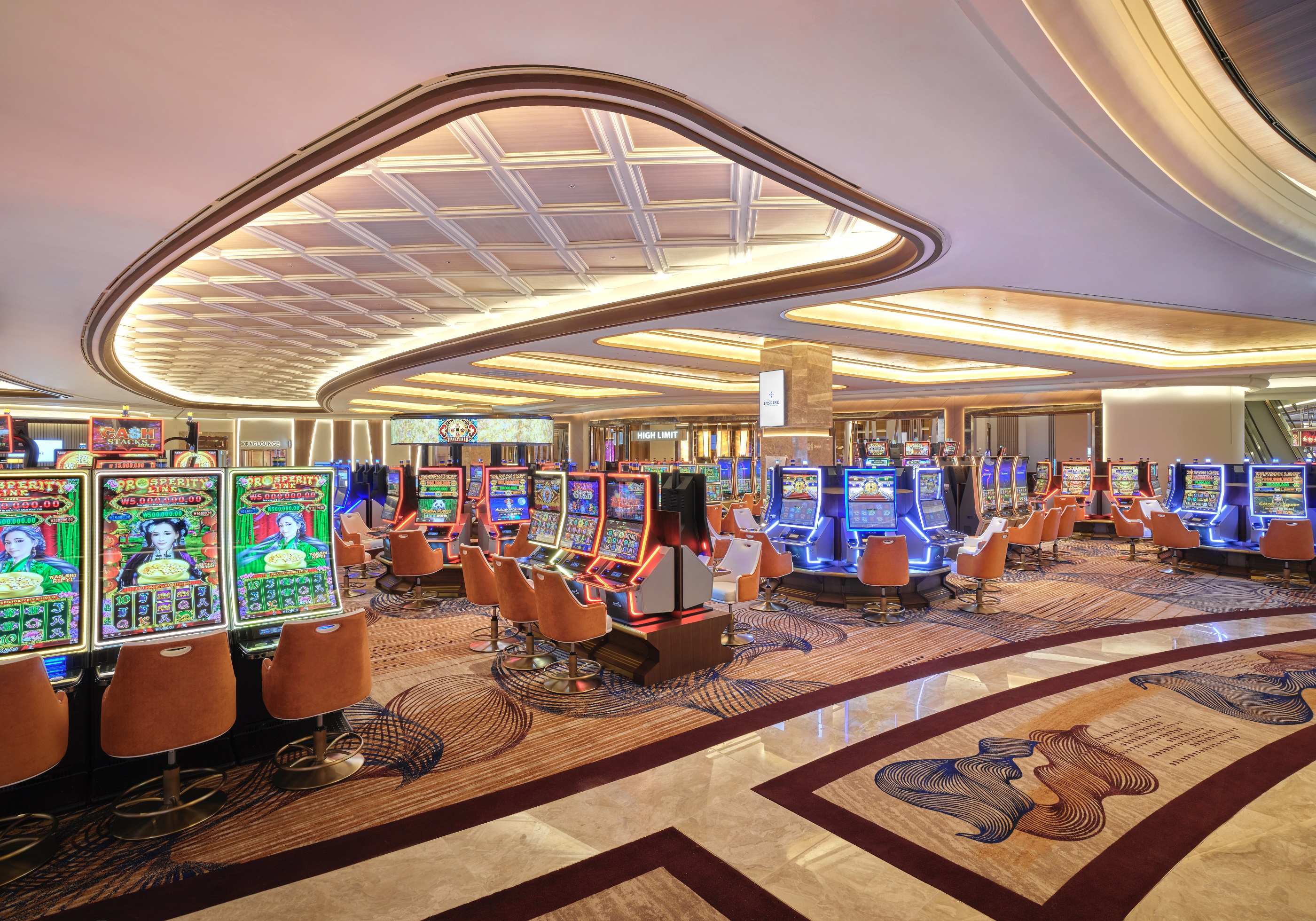
INSPIRE’s financial performance has been improving. For the fiscal year ended 30 September 2025, the resort recorded revenue of around KRW416 billion, up nearly 90% year-on-year, while operating loss narrowed sharply to KRW46.1 billion from KRW156.4 billion. Casino revenue was a major driver, rising around 147% to KRW267.2 billion.
GGRAsia also reported INSPIRE generated KRW267.23 billion in gross gaming revenue for the 12 months to 30 September 2025, with net loss narrowing from the previous reporting period.
So the story is not negative. INSPIRE is clearly moving in the right direction. But the resort still needs to prove that growth can translate into stable profitability, especially with debt and financing pressure still in the background.
IAG noted that INSPIRE’s refinancing into a KRW1.27 trillion secured facility helped ease near-term repayment pressure, but interest rates of up to 11.25% remain a major profitability challenge.
Why Interns Make Strategic Sense
Hiring interns is not only about saving money. Done properly, it can become a long-term talent engine.
For INSPIRE, the benefits are clear:
- Lower fixed salary pressure compared with fully experienced hires
- A pipeline of young talent trained in INSPIRE’s service culture
- Better flexibility during high-demand periods
- Stronger connection with hospitality, tourism, and gaming-related education institutions
- A way to scale frontline service without overcommitting permanent headcount too early
For a new integrated resort, this is practical. Experienced casino and hospitality workers are expensive, and the local talent pool may not be deep enough for a large-scale foreigner-only resort. Internships allow INSPIRE to build people from the ground up.
The Risk: Cost Saving Must Not Damage Guest Experience
However, there is a danger.
Integrated resorts are not normal hotels. A weak service touchpoint can affect the whole customer journey — from airport arrival, hotel check-in, casino floor support, F&B service, loyalty desk, event experience, and post-visit engagement.
If interns are used only as cheaper labour, the strategy may backfire.
The correct approach is to treat interns as a structured talent-development programme, not a temporary manpower patch.
INSPIRE should ensure:
- clear training modules
- supervisor-to-intern ratios
- service-quality checks
- casino compliance training
- language and cultural training
- guest escalation protocols
- performance-based conversion into full-time roles
This is especially important because INSPIRE depends heavily on foreign visitors. AGBrief reported that foreign guests consistently account for about 50% of hotel stays, which means service consistency across languages and cultures is critical.
Technology Angle: Workforce Optimisation Should Be Data-Led
From a web application and operations technology perspective, INSPIRE’s internship strategy should not stand alone. It should be supported by a proper workforce-management platform.
A modern integrated resort should use data to answer questions such as:
- Which time slots have the highest guest-service demand?
- Which casino zones need more floor support?
- Which hotel departments face the longest guest wait times?
- Which events create staffing spikes?
- Which languages are needed by shift?
- Which interns are ready for higher-responsibility roles?
This is where technology can turn a cost-saving move into a strategic advantage.
A good workforce system should connect:
- hotel occupancy
- casino traffic
- event calendar
- restaurant bookings
- flight arrival patterns
- loyalty-tier visitation
- staff scheduling
- training completion
- guest feedback
The goal is not simply “hire cheaper.” The goal is deploy smarter.
Marketing Angle: Internships Can Strengthen Employer Branding
INSPIRE can also turn this into a brand story.
Instead of presenting the internship programme only as cost control, INSPIRE should position it as a talent-development pathway for South Korea’s hospitality and entertainment industry.
The message can be:
“INSPIRE is building the next generation of integrated resort professionals.”
That is more powerful than saying the resort is trying to reduce fixed labour costs.
This positioning helps in three ways:
- Employer branding
INSPIRE becomes attractive to young talent entering hospitality, gaming, events, and tourism. - Public relations
The resort can show its contribution to local employment and skills development. - Service culture
Interns who feel they are part of a career pathway are more likely to perform better than interns treated as temporary labour.
Original Insight: INSPIRE’s Real Challenge Is Not Staffing — It Is Operating Leverage
The internship programme is only one piece of a bigger issue: operating leverage.
INSPIRE has already built a large-scale resort. The fixed-cost base is heavy. The business now needs to increase revenue faster than costs.
That means the resort must improve:
- gaming yield per visitor
- hotel spend per guest
- event-to-casino conversion
- loyalty repeat visitation
- F&B attach rate
- premium foreign-player acquisition
- group and MICE monetisation
- labour productivity per occupied room and per casino visitor
In simple terms, INSPIRE needs each visitor to become more valuable.
A visitor surge is good, but a profitable visitor surge is better.
What INSPIRE Should Focus On Next
1. Convert Arena Visitors Into Resort Customers
INSPIRE’s arena is a major traffic driver. But event visitors should not only attend a concert and leave.
The resort should create bundled journeys:
- concert + hotel package
- concert + dining voucher
- concert + casino loyalty enrolment for eligible foreigners
- concert + late-night entertainment
- concert + airport transfer
This turns entertainment traffic into full integrated-resort revenue.
2. Build a Multilingual Guest Journey
Since foreign visitors are important, language support should be treated as a revenue driver.
INSPIRE should invest in:
- multilingual digital concierge
- AI chatbot for hotel and resort questions
- QR-based service menus
- casino host matching by language
- multilingual loyalty onboarding
- WeChat, LINE, and regional messaging support
This improves conversion from visitor to repeat customer.
3. Use Interns Where Training Risk Is Manageable
Not every role is suitable for interns.
Best-fit areas include:
- guest greeting
- queue management
- event support
- hotel lobby assistance
- F&B support
- back-office administration
- guided guest assistance
Higher-risk areas such as casino compliance, premium player handling, cash-related workflows, and complaint resolution should remain tightly supervised.
4. Measure Service Quality Closely
INSPIRE should track whether the internship programme affects customer experience.
Useful metrics include:
- guest satisfaction score
- complaint rate
- check-in waiting time
- casino floor service response time
- repeat visitation
- staff productivity
- intern conversion rate
- training completion rate
Without measurement, labour optimisation becomes guesswork.
Final Takeaway
INSPIRE’s internship programme is a smart and practical move, but only if it is executed carefully.
The resort is seeing strong visitor growth and improving financial performance, but labour cost, debt cost, and profitability pressure remain real challenges. Interns can help reduce fixed manpower pressure, but the bigger opportunity is to build a scalable talent pipeline and a smarter workforce model.
The best integrated resorts are not those that simply attract crowds. They are the ones that convert traffic into profitable, repeat, high-quality customers while maintaining service excellence.
For INSPIRE, the next stage is clear: visitor growth must now become operating leverage.