
 Content Writer: Janice Chew • Monday, 26/06/2026 - 18:14:31 - PM
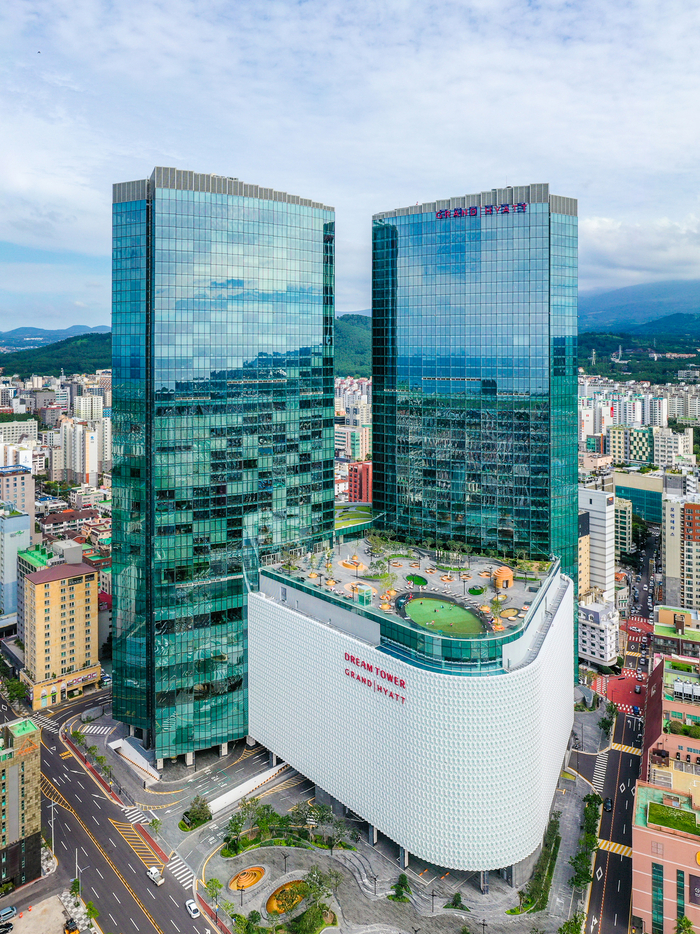
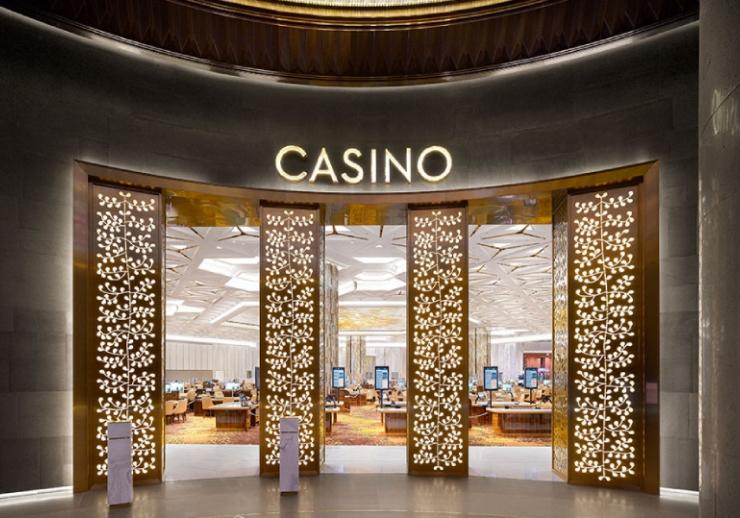
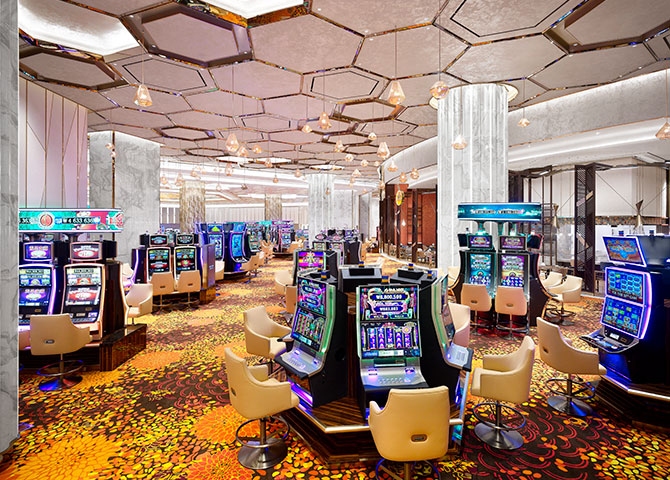
Jeju Dream Tower has delivered another strong performance, with casino sales reaching around US$32.7 million in May.
This was a new May record for the property and also one of its strongest monthly performances ever. The result shows that Jeju Dream Tower is no longer just recovering from the pandemic period. It is entering a stronger growth phase, supported by tourism, casino demand, hotel strength, and better marketing execution.
A Strong Result for Jeju Dream Tower
Jeju Dream Tower’s May casino sales reached KRW49.2 billion, or about US$32.7 million. This was up 19.5% compared with the same month last year.
The casino also welcomed more than 63,000 visitors during the month, higher than both April 2026 and May 2025.
This is important because the growth was not only about lucky hold rate. Visitor traffic and casino drop also improved, which suggests stronger underlying demand.
For the first five months of 2026, Jeju Dream Tower’s casino sales reached KRW216.9 billion, up 36.7% year-on-year. This shows that the May result is not a one-off performance, but part of a wider growth trend.
Why Jeju Is Becoming More Important
Jeju is different from many other casino markets in Korea.
It is a tourism island, and many foreign visitors arrive with leisure, shopping, dining, hotel, and entertainment spending in mind. This makes the casino business more closely connected to tourism flow.
When foreign visitor numbers rise, casino drop can rise more directly.
That is why improved air connectivity, visa-friendly travel, and stronger foreign tourist demand are important growth drivers for Jeju Dream Tower.
The wider Jeju casino market also performed strongly in 2025, supported by inbound tourism, better air links, and more active marketing by casino operators.
The Integrated Resort Advantage
Jeju Dream Tower is not just a casino. It is a large integrated resort with hotel rooms, dining, retail, spa, pool, entertainment, and lifestyle facilities.
This gives it a stronger platform to capture customer spending across multiple touchpoints.
A visitor may come for the casino, but also spend on hotel, food, shopping, wellness, or entertainment. Another visitor may come for a holiday and later enter the casino.
This is the advantage of a well-designed integrated resort.
It does not depend on one single revenue stream. It creates a full customer journey.
The Marketing Lesson
Jeju Dream Tower’s success shows that casino marketing today is not only about VIP programs or gaming promotions.
The stronger strategy is to market the full destination experience.
For Jeju Dream Tower, the message should not only be:
“Come to our casino.”
A stronger message is:
“Enjoy Jeju through luxury stay, dining, entertainment, shopping, wellness, and premium gaming.”
This wider positioning gives the property more ways to attract customers, especially foreign tourists from China, Japan, Southeast Asia, and other regional markets.
The Technology Lesson
From a web application and marketing technology point of view, Jeju Dream Tower’s growth also shows the importance of digital infrastructure.
When visitor demand is strong, the operator must capture the customer journey properly.
A modern integrated resort should have:
- A fast mobile-first website
- Multi-language content for regional travellers
- Strong SEO for hotel, casino, dining, and Jeju travel searches
- CRM segmentation by country, spend level, visit purpose, and interest
- Loyalty integration across hotel, casino, dining, and retail
- Campaign tracking from online ads to actual bookings or visits
- Personalized email and SMS marketing
- Real-time dashboards for marketing and operations teams
The property that understands its customer data better will market better, serve better, and retain better.
Original Insight: Jeju Dream Tower Is Building a Tourism Flywheel
The key insight is that Jeju Dream Tower is benefiting from a tourism flywheel.
More flights bring more visitors.
More visitors bring more casino traffic.
More casino traffic supports stronger revenue.
Stronger revenue allows more marketing.
More marketing attracts more visitors again.
This cycle becomes powerful when the resort has enough non-gaming attractions to support the full trip experience.
That is why hotel quality, restaurants, retail, wellness, and entertainment matter. They help turn a casino visit into a complete destination visit.
What Other Operators Can Learn
Jeju Dream Tower’s May record offers several lessons for casino and integrated resort operators.
First, tourism connectivity matters. Flights, visa access, and destination appeal can directly support casino growth.
Second, an integrated resort must sell the full experience, not only the gaming floor.
Third, customer data is becoming a major competitive advantage. Operators that track customer journeys properly can improve marketing returns and retention.
Fourth, foreign visitor strategy must be localized. Chinese, Japanese, Southeast Asian, and other regional guests may need different offers, languages, content, and service styles.
Fifth, strong casino growth should be supported by responsible gaming, compliance, and operational control. Sustainable growth must be disciplined.
Final Thoughts
Jeju Dream Tower’s record May performance is more than a monthly revenue update.
It shows how tourism, air connectivity, integrated resort design, marketing, and customer experience can work together to drive casino growth.
The future of casino resorts in Asia will not only depend on gaming tables and slot machines. It will depend on how well operators build a full destination ecosystem.
Jeju Dream Tower is becoming a strong example of this model.
Its real strength is not only casino sales.
Its real strength is the ability to turn Jeju tourism demand into a complete resort, gaming, lifestyle, and customer experience platform.