
 Content Writer: Janice Chew • Monday, 26/03/2026 - 14:07:26 - PM
Kazakhstan has amended its gaming legislation to allow the development of four new designated gambling zones, marking a significant step in its strategy to boost tourism and attract foreign investment.
Where the New Gambling Zones Will Be
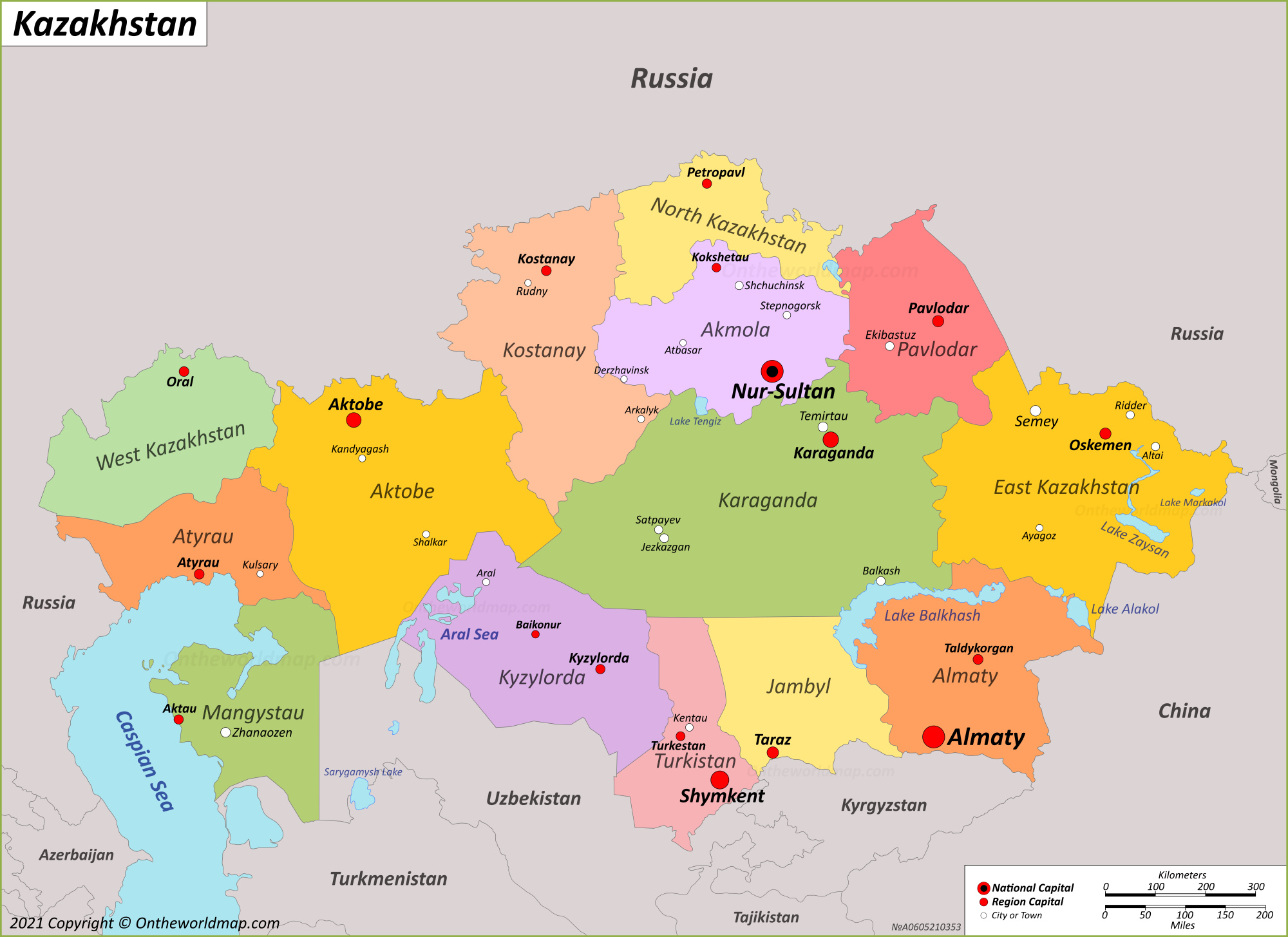
The four newly designated areas are:
• Mangistau region (Caspian Sea coast)
• Panfilov district and Lake Alakol (Zhetysu region)
• Talgar district (Almaty region)
• Markakol area and Zaisan district (East Kazakhstan region)
These additions expand on the country’s existing gaming zones:
• Konaev (Almaty region)
• Shchuchinsk-Borovoye (Akmola region)
Together, they form a geographically diversified network of gaming destinations across Kazakhstan.
A Controlled Expansion Model
Despite the expansion, Kazakhstan is maintaining a strict regulatory framework.
Key restrictions include:
• access limited to foreign citizens and stateless persons
• prohibition of casinos in protected natural or cultural areas
• exclusion of land designated for defense or national security
This reflects a controlled growth approach, balancing economic benefits with social and environmental considerations.
Targeting High-Value International Tourists
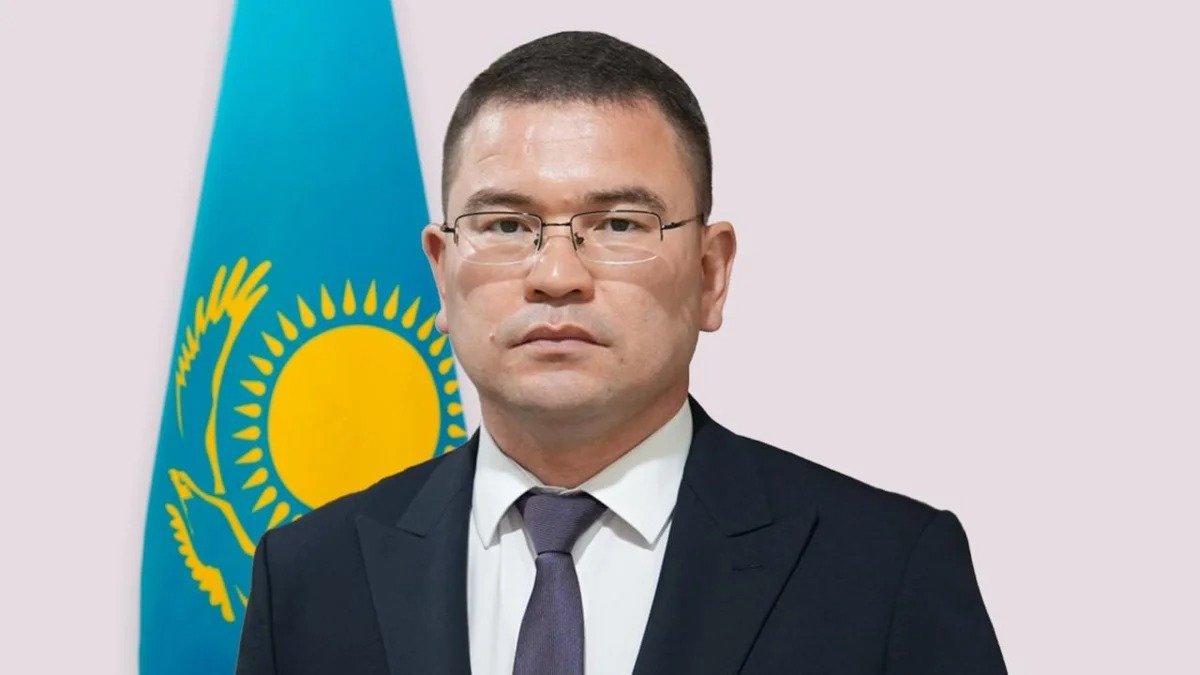
According to Baurzhan Rapikov, the new zones are designed to attract high-spending international visitors.
Projected impact includes:
• ~500 jobs per casino
• annual tax revenue of KZT 2–4 billion (US$4.2M–$8.4M) per site
• doubling gambling tourists from 100,000 to 200,000
This positions gaming as a targeted tourism driver rather than a mass-market activity.
Strategic Insight: Geography as a Differentiator
One of the most interesting aspects of Kazakhstan’s approach is location strategy.
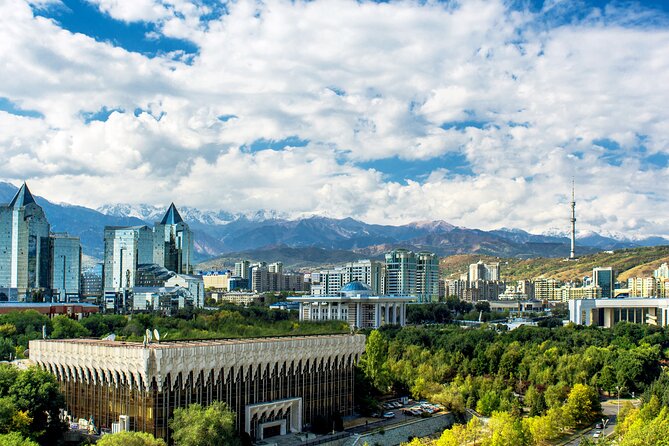
Unlike dense urban casino hubs, these zones are:
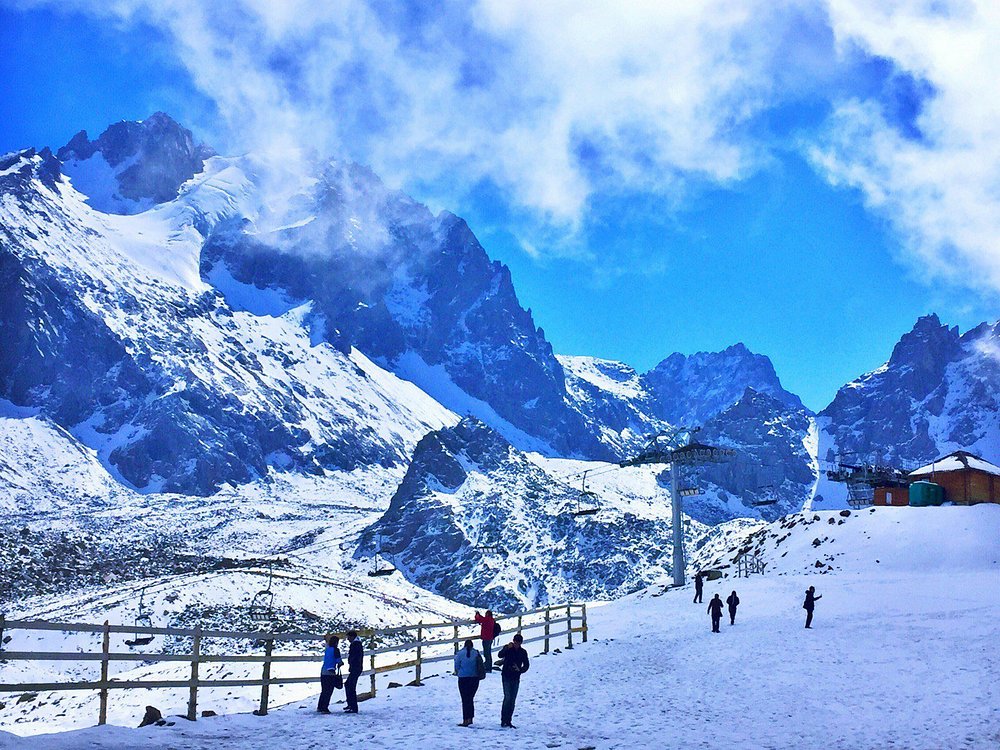
• spread across scenic and regional destinations
• integrated with natural tourism assets
• positioned as destination-based experiences
This suggests a model closer to resort-led tourism rather than city-based gaming clusters.
Unique Angle: Foreign-Only Gaming as Policy Tool
By restricting access to foreign visitors, Kazakhstan is:
• minimizing domestic social impact
• maximizing foreign currency inflow
• positioning gaming as an export-driven industry
This mirrors strategies seen in selective markets where gaming is used primarily as a tourism revenue engine.
Contextual Relevance: A New Frontier in Central Asia
Kazakhstan’s move positions it as a first mover in Central Asia’s regulated gaming expansion.
With proximity to:
• China
• Russia
• Central Asian markets
the country has the potential to capture underserved regional demand.
Final Take
Kazakhstan’s expansion to four new gambling zones represents a calculated step toward building a controlled, tourism-led gaming ecosystem.
By combining geographic diversification, strict regulation and a focus on high-value foreign visitors, the country is carving out a distinct position in the global gaming landscape.
If executed effectively, Kazakhstan could emerge as a new regional hub for destination-based gaming in Central Asia.