 Content Writer: Janice Chew • Thursday, 26/04/2026 - 17:09:29 - PM
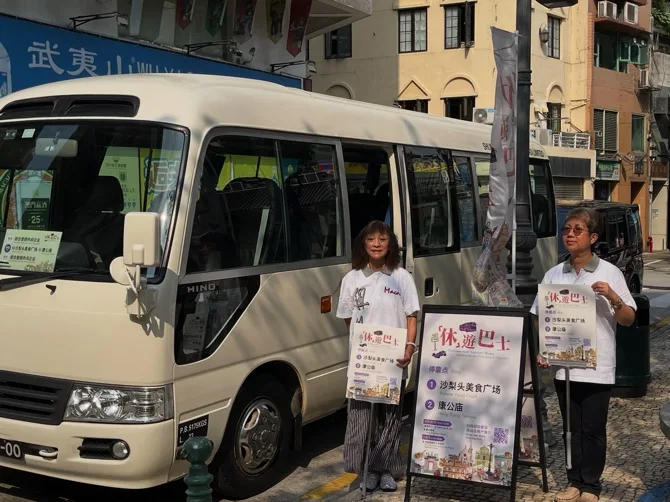
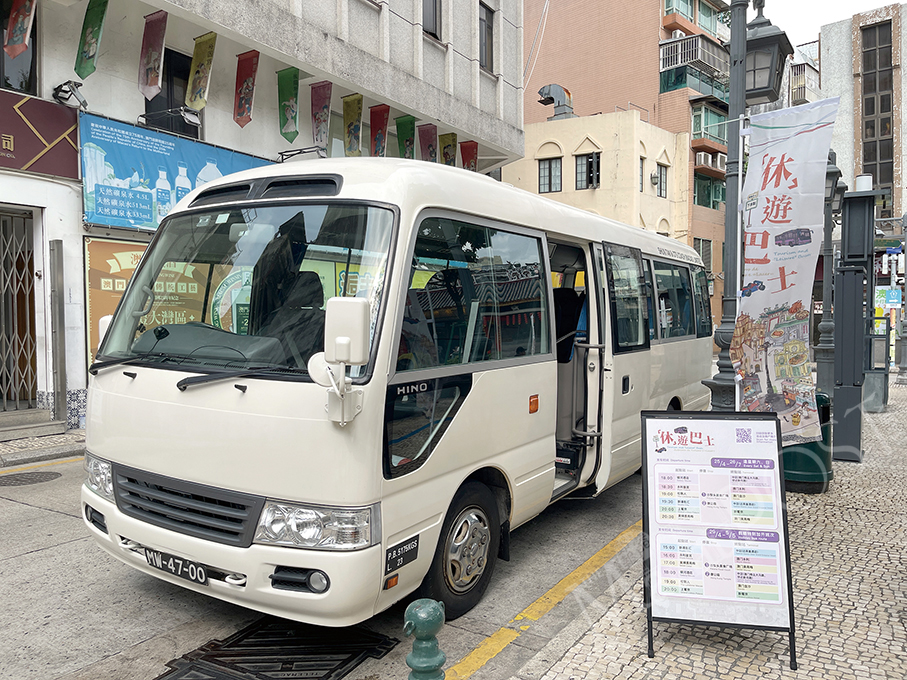
Macau has taken a notable step in reshaping how its integrated resorts connect with the wider city. In a newly announced initiative, the Macao SAR Government, working alongside all six concessionaires, has introduced the “Tourism and Leisure Bus Program: Exploring the Charm of Neighborhoods.”
While positioned as a tourism enhancement, the move reflects a deeper strategic shift in how visitor flow, local engagement, and economic distribution are being managed.
Program Overview: What’s Being Launched
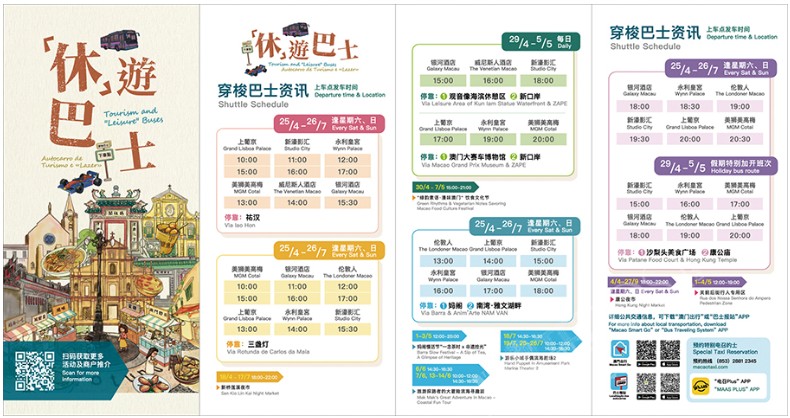
The program will begin with a trial run this Saturday and features a structured rollout that is intentionally controlled rather than aggressive.
At launch, it includes:
- 6 shuttle routes
- 3 themed experiences
- 9 community drop-off points
- Weekend-focused operations
- 1–2 departures per day
Unlike traditional casino shuttle services, which primarily connect border checkpoints and ferry terminals to integrated resorts, this initiative flips the model. Shuttle buses will now depart from resorts and move outward into local neighborhoods, including the North District, NAPE, Central and South Districts, Rua dos Ervanários and the Barra District.
This marks a subtle but important shift:
From “bringing tourists into casinos” → to “bringing visitors into communities.”
Thematic Routes: Experience-Led Movement
What differentiates this initiative is how transportation is packaged as a curated experience rather than just logistics.
1. Relaxing Holiday Tour
Running during the Labor Day period (29 April to 5 May), this route aligns with seasonal community activities. It focuses on leisure and relaxation, passing through ZAPE and Rua dos Ervanários, targeting families and holiday visitors.
2. Gastronomic Time Machine
Operating on weekends from 25 April to 26 July, this route leverages Macau’s culinary heritage. It connects visitors to key food districts and markets, including:
- North District
- San Kio District
- Patane Market
- Pagode do Bazar Night Market
This is clearly designed to drive food tourism and repeat visits.
3. Fun Weekend Stroll
Also running on weekends through July, this route emphasizes lifestyle and cultural exploration. It covers areas such as the Barra District and Anim’arte Nam Van, positioning Macau as more than just a gaming destination.
Strategic Intent: More Than Just Transport
At its core, this initiative is not about buses — it is about redistributing economic activity across the city.
With over 1,000 businesses located along these routes, the government is effectively creating a new channel to:
- Increase footfall in local neighborhoods
- Support small and medium enterprises
- Extend visitor dwell time beyond integrated resorts
In many ways, this functions like an offline marketplace platform, where transport infrastructure becomes the mechanism for demand distribution.
Alignment with Concessionaire Strategy
This move also aligns closely with the evolving expectations placed on operators such as
Sands China Ltd,
Galaxy Entertainment Group and
MGM China Holdings Ltd.
These concessionaires are increasingly required to:
- Diversify revenue streams beyond gaming
- Strengthen non-gaming offerings
- Contribute more directly to local economic development
By channeling visitors into community districts, the shuttle program indirectly supports:
- Retail traffic
- Food and beverage growth
- Cultural and lifestyle engagement
This reinforces Macau’s transformation into a broader tourism ecosystem.
Regulatory Positioning: A Deliberate Image Shift
An important condition has been set by the
Gaming Inspection and Coordination Bureau (DICJ).
All shuttle buses entering local communities must avoid displaying gambling-related content.
This requirement signals a deliberate repositioning:
- Moving away from casino-centric branding
- Promoting a “healthy and diverse” tourism image
- Reducing sensitivity around gambling exposure in residential areas
This is not just compliance — it is brand strategy at a national level.
Product Thinking: A Physical Discovery Platform
From a systems and product perspective, this initiative resembles the early version of a city-scale discovery platform.
You can think of it as:
- Routes = curated journeys
- Stops = experience nodes
- Themes = user segments
If expanded, this could evolve into:
Future capabilities may include:
- Smart routing based on demand patterns
- Real-time shuttle tracking via mobile apps
- Personalized recommendations based on visitor behavior
- Integration with loyalty and CRM systems
This is where data becomes the real asset, not just transportation.
What This Signals for Macau’s Future
This initiative may start small, but it points toward a much larger transformation.
We are seeing Macau shift from:
- A destination-driven model (casino-centric)
To:
- A distributed experience ecosystem (city-wide engagement)
If successful, the next phase could include:
- Increased route frequency and coverage
- Full digital integration (apps, tracking, booking)
- Data-driven personalization of visitor journeys
- Stronger linkage between transport and tourism campaigns
Final Take
The shuttle bus, traditionally seen as a simple transport tool, is being repositioned as a strategic layer in the customer journey.
It now influences:
- Where visitors go
- How long they stay
- How they spend within the city
In the evolving landscape of Macau, competitive advantage will no longer be defined solely by the scale of integrated resorts.
Instead, it will depend on:
Who can best orchestrate the entire visitor experience — from arrival to exploration.
And this initiative is a clear step in that direction.