
 Content Writer: Janice Chew • Friday, 26/03/2026 - 14:34:39 - PM
The latest results from Macau Legend Development’s Paradise Entertainment arm tell a story that goes far beyond declining numbers. Yes, revenue dropped 23.1% year-on-year to HK$834.4 million, profit fell 63.5%, and Adjusted EBITDA declined by more than half. But beneath those figures lies something far more important—a strategic reinvention of the business model.
Paradise is no longer positioning itself purely as a land-based gaming supplier. It is evolving into a hybrid gaming technology company, blending hardware, software, services, and now digital distribution.
The Pressure: When a Strong Core Starts to Weaken
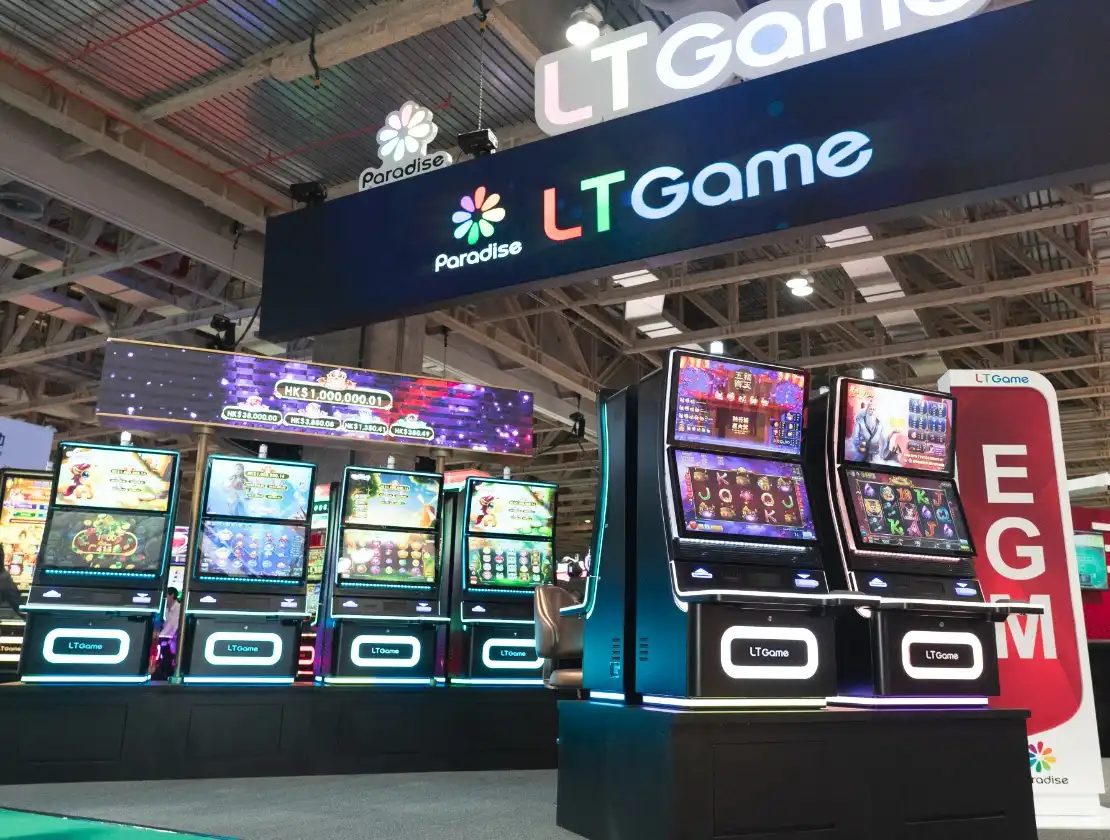
Paradise has long been associated with its LT Game brand, particularly its widely deployed Live Multi-Game (LMG) terminals across Macau. These terminals have been critical in helping casinos maximize gaming positions within the government-imposed table cap.
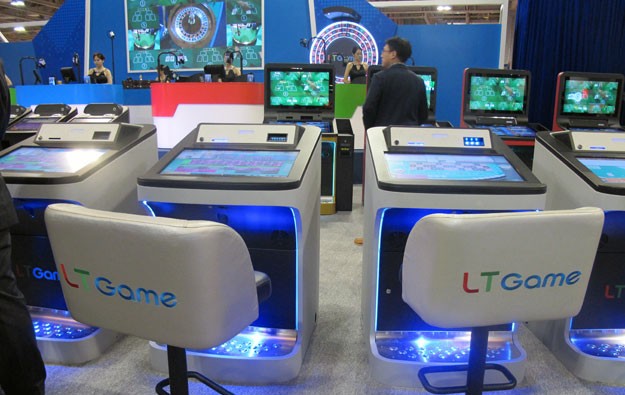
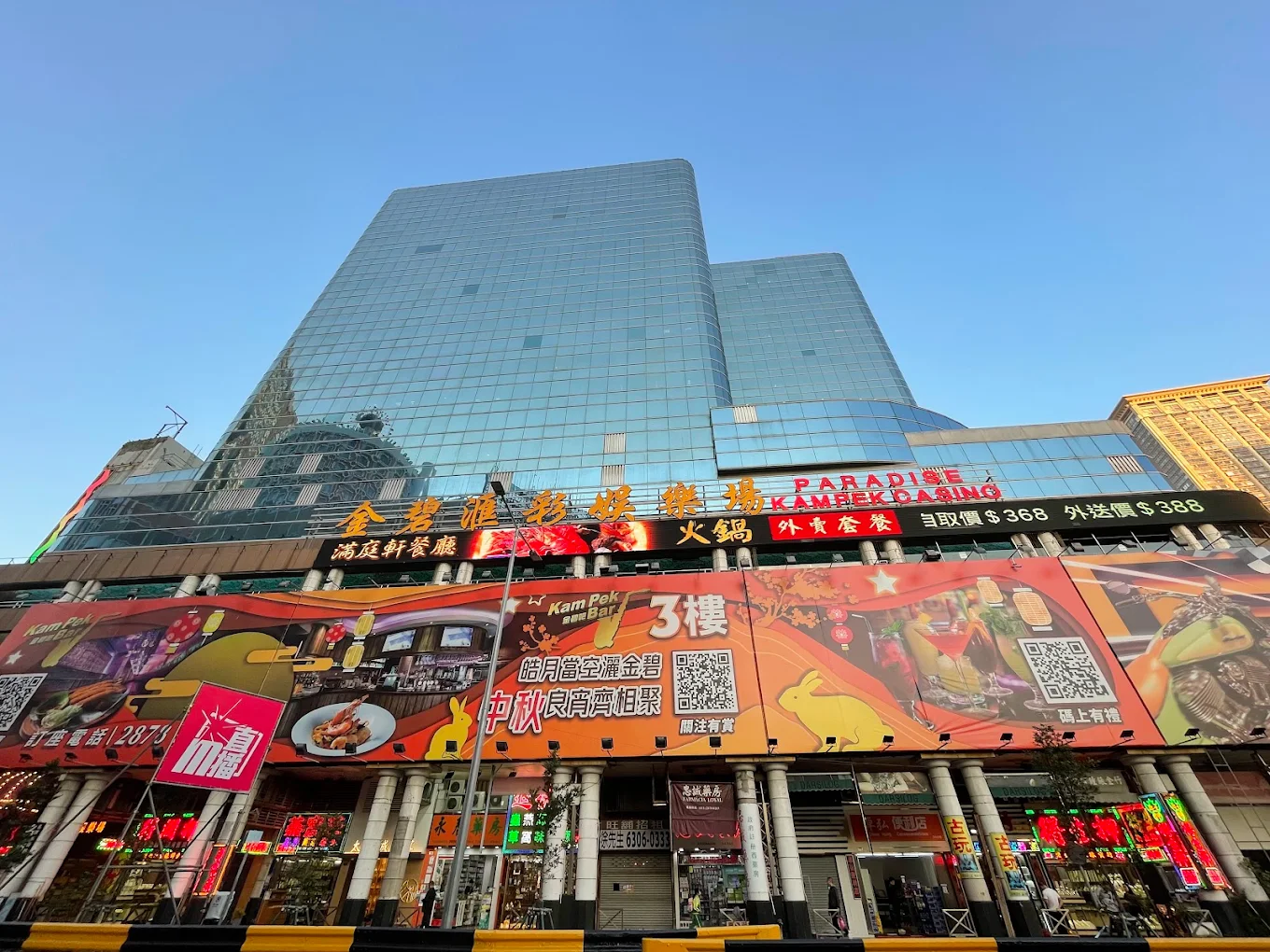
However, the latest results highlight structural challenges. Revenue from electronic gaming equipment and systems dropped sharply by 45.3%, reflecting weaker product demand and shifting operator priorities. At the same time, the cessation of satellite casino management services at Casino Kam Pek Paradise removed another revenue stream entirely.
This combination signals a clear reality:
The traditional hardware + service model is no longer enough to sustain growth.
The Pivot: Enter Online Gaming with Infernoplay
In response, Paradise is stepping into the online gaming space through its newly launched B2B brand, Infernoplay.
This is a significant move.
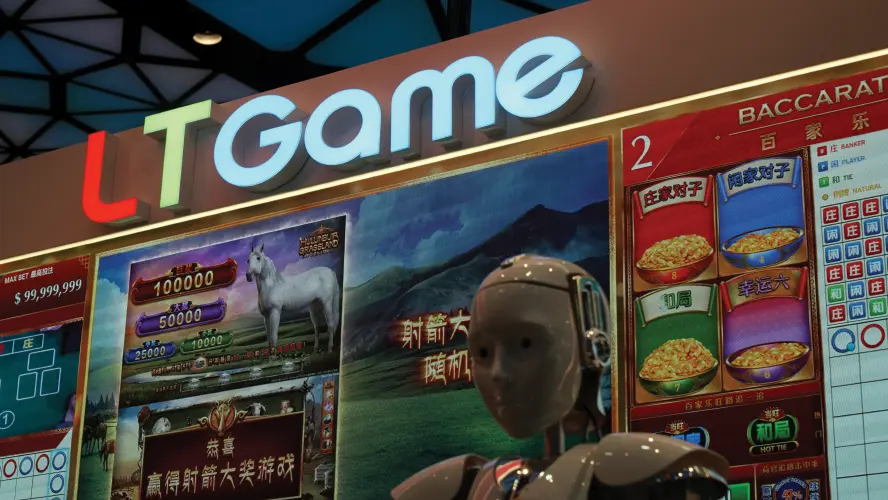
Rather than starting from scratch, the company is leveraging its existing game portfolio from LT Game and repackaging it for digital distribution. With the global online gaming market expanding rapidly—driven by mobile adoption, content diversity, and improved technology—this opens up a scalable, global revenue channel.
What makes this more interesting is the integration of generative AI into its game development pipeline. This suggests a forward-looking approach where:
- Game content can be produced faster
- Player engagement can be enhanced dynamically
- Personalization becomes a key differentiator
In short, Paradise is shifting from selling machines to delivering continuous digital experiences.
The Second Engine: Consultancy as a Service
Alongside digital expansion, Paradise is also building a consultancy arm targeted at land-based operators.
Following the end of its previous casino management agreement, the company has already secured a new advisory partnership with another Macau concessionaire. While unnamed, this signals early traction in transforming operational expertise into a service offering.
This move reflects a broader industry trend:
Operators are beginning to monetize not just their assets—but their knowledge.
Consultancy allows Paradise to:
- Generate recurring, asset-light revenue
- Expand influence without heavy capex
- Position itself as a strategic partner, not just a supplier
Expansion Strategy: Chasing Untapped Markets
While reinventing its core, Paradise is not abandoning its land-based roots. Instead, it is pushing its products into new markets with high growth potential, including:
- Philippines
- Sri Lanka
- Laos
- Malaysia
- Vietnam
- North America
These markets represent “untapped demand,” particularly for flexible gaming solutions that can adapt to different regulatory and operational environments.
Product Evolution: Smarter, More Flexible Casino Floors
Innovation remains central to Paradise’s strategy, especially through LT Game’s upcoming product pipeline.
Two developments stand out:
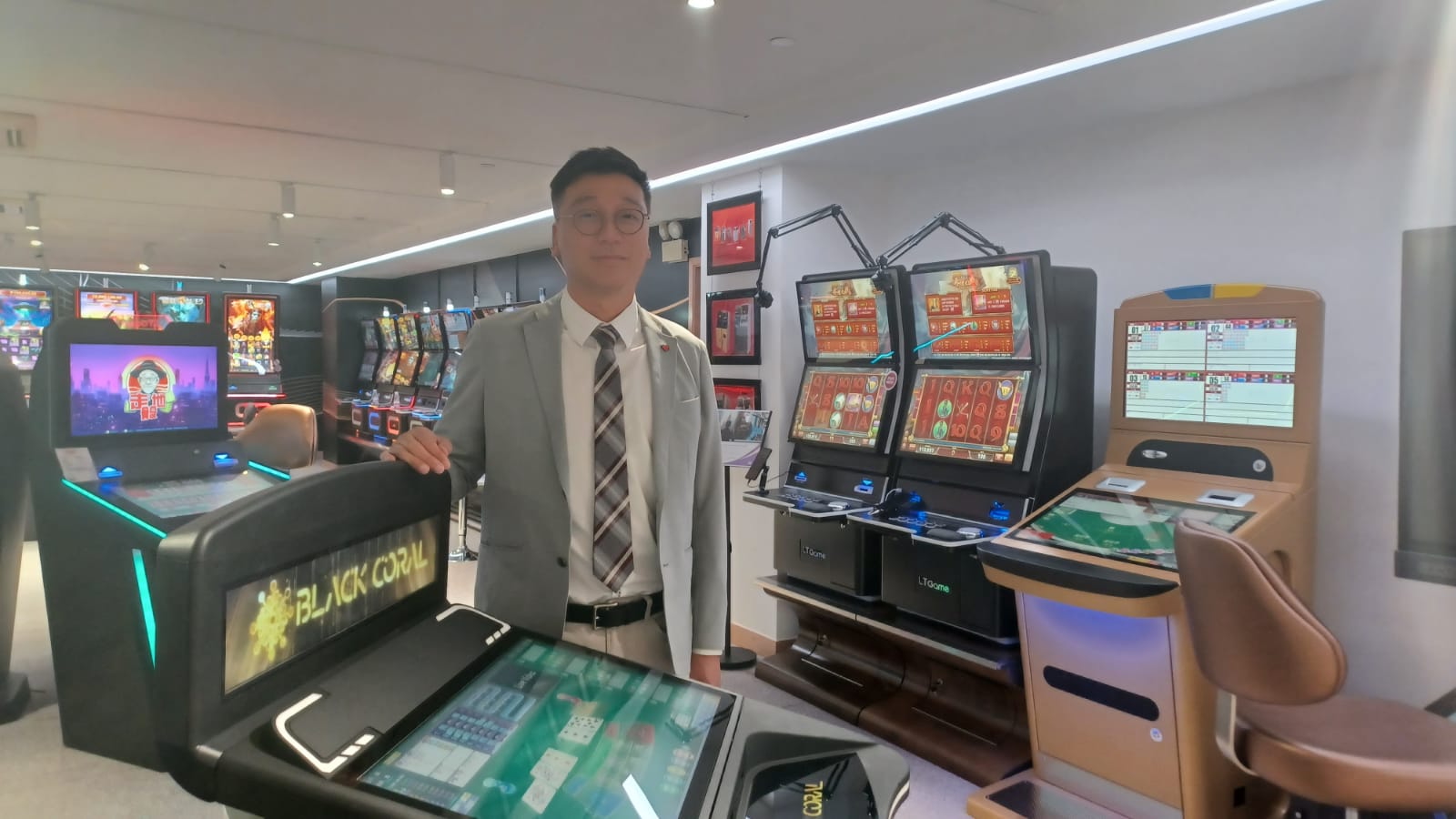
- Black Coral LMG System
Designed with integrated analytics and real-time data visualization, enabling operators to better understand player behavior and optimize engagement. - Speedwave Cabinet
A modular slant-top cabinet that allows operators to switch games easily by changing the topper, increasing flexibility and reducing operational friction.
These innovations point toward a future where casino floors are not static, but adaptive environments driven by data and modular systems.
Strategic Insight: From Product Company to Platform Player
What Paradise is doing can be summarized in one key shift:
From selling products → to building an ecosystem
The company is now operating across four layers:
- Hardware (LMG terminals, cabinets)
- Software (game content, analytics)
- Services (consultancy)
- Digital platforms (Infernoplay)
This multi-layer approach reduces dependency on any single revenue stream and creates a more resilient, scalable business model.
Tech Perspective: Where the Real Opportunity Lies
From a builder’s perspective, this transformation highlights a major opportunity.
The future of gaming is not just about content—it’s about infrastructure and intelligence:
- Real-time analytics dashboards
- AI-driven game personalization
- Cross-platform player tracking (offline + online)
- Modular systems that adapt to operator needs
Paradise’s Black Coral system is already moving in this direction, blending hardware with data intelligence. The next step is likely deeper integration between land-based and online ecosystems.
Final Thought
Paradise Entertainment’s results may look weak on the surface, but the strategy beneath tells a different story.
This is not a company in decline—it’s a company in transition.
From hardware supplier
To digital + service-driven gaming platform
In a rapidly evolving global gaming market, those who successfully make this shift will not just survive—they will redefine the industry’s next phase.
And Paradise is clearly positioning itself to be part of that future.