

 Content Writer: Janice Chew • Friday, 26/02/2026 - 17:52:47 - PM
Macau has authorised 29 gaming promoters for 2026, signalling a continued stabilisation of the city’s once-dominant junket sector as it adjusts to tighter regulation and a reshaped VIP gaming environment.
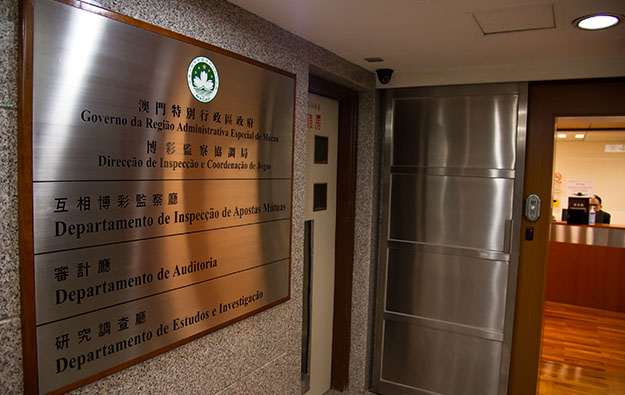
According to Macau’s Gaming Inspection and Coordination Bureau (DICJ), the approved list represents a modest but notable increase compared with the immediate post-pandemic years, when the number of licensed promoters dropped sharply following regulatory reform and the collapse of several major junket operators.
A Smaller, Tightly Regulated Junket Ecosystem
The number of licensed gaming promoters in Macau has fallen dramatically from its peak prior to 2020, when more than 200 operators were active in the market. The current figure of 29 reflects the government’s deliberate move toward quality control, transparency, and financial accountability within the VIP gaming segment.
Under the revised Gaming Law that came into effect in 2023, promoters are now subject to:
-
Stricter capital requirements
-
Enhanced due-diligence checks
-
Limits on revenue-sharing models
-
Clearer separation between casino operators and promoter operations
These measures were introduced to curb illicit capital flows and reduce systemic risk within the gaming ecosystem.
VIP Demand Remains — But the Model Has Changed
Despite the reduced number of promoters, VIP gaming demand has not disappeared. Instead, it has shifted toward a more direct-casino-led model, with concessionaires increasingly handling premium mass and high-end players internally rather than relying heavily on third-party junkets.
Industry analysts cited by regional gaming media note that remaining promoters tend to be:
-
Well-capitalised
-
Long-established
-
Closely aligned with individual concessionaires
-
Focused on relationship management rather than credit extension
This evolution mirrors trends seen in other regulated gaming markets, where casinos assume greater responsibility for player acquisition and risk management.
Impact on Casino Operators
For Macau’s six gaming concessionaires, the leaner promoter landscape brings both advantages and challenges:
Benefits
-
Lower regulatory exposure
-
Greater control over player compliance
-
Improved transparency in VIP revenue reporting
Challenges
-
Higher internal costs to manage premium players
-
Reduced access to ultra-high-rolling clientele
-
Increased competition in the premium mass segment
Several operators have responded by expanding luxury non-gaming offerings — including hotels, entertainment, dining, and retail — to retain high-value customers without relying solely on VIP play.
Government Signals Policy Continuity
The authorisation of 29 promoters suggests policy continuity rather than expansion. Macau authorities have consistently emphasised that the goal is not to revive the junket industry to its former scale, but to ensure it operates in a controlled, sustainable manner aligned with the city’s long-term economic diversification strategy.
Officials have reiterated that promoter numbers will be reviewed annually, with approvals based on compliance history, financial strength, and operational necessity rather than market demand alone.
Looking Ahead
As Macau continues its post-pandemic recovery, the gaming promoter sector appears to have reached a new equilibrium — smaller, more disciplined, and more closely integrated with casino operators.
While VIP gaming will remain part of Macau’s identity, its future is increasingly shaped by regulation, risk control, and premium-mass growth, rather than the free-wheeling junket dominance of the past.