 Content Writer: Janice Chew • Wednesday, 25/12/2025 - 22:11:43 - PM
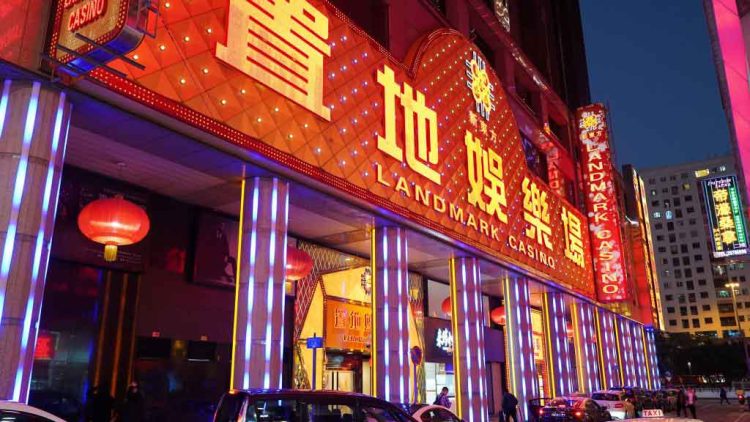
Macau is preparing to close a significant chapter in its gaming history as Landmark Casino, the city’s last remaining satellite casino, is set to shut its doors on 30 December. The closure marks the end of an era for the satellite‐casino model — once a unique and defining feature of Macau’s gaming landscape — which has steadily contracted following regulatory reforms and concession renewals introduced in recent years. Landmark’s exit follows a wave of closures throughout 2023–2025, driven by operators’ reassessment of contractual risks and tightening oversight by the government.
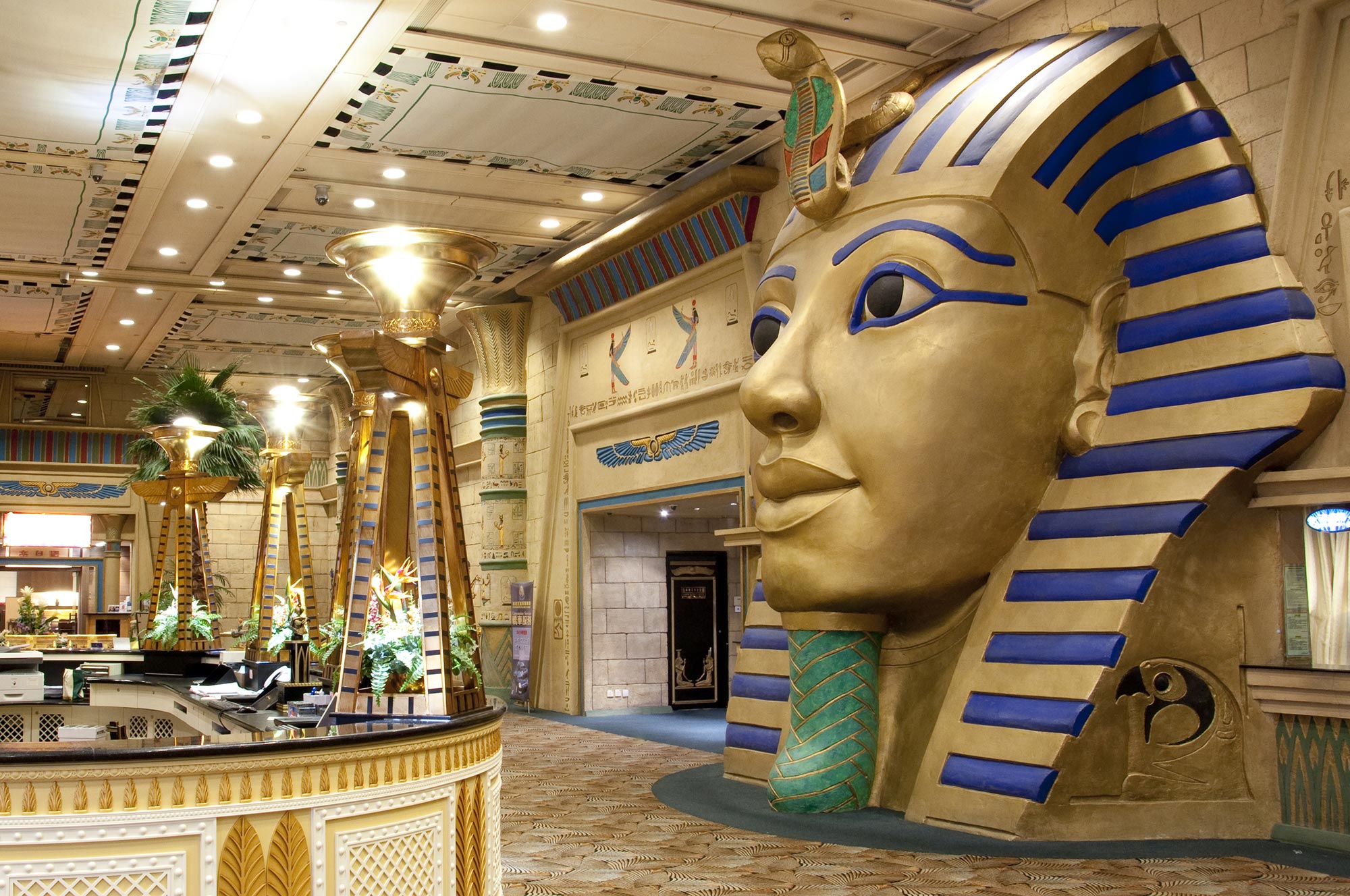
The casino, located inside the New Orient Landmark Hotel, had for years operated under a service agreement with SJM Resorts, but challenges emerged after the city’s new gaming laws required tighter controls, enhanced responsibility structures, and clearer delineation of operator liabilities. These regulatory adjustments made many satellite arrangements economically unviable, prompting both concessionaires and hotel owners to wind down operations instead of restructuring agreements. Analysts observe that Landmark’s closure is consistent with the trend of consolidation among the six major operators, who are now prioritising fully controlled, directly managed casino assets.
Market watchers note that while the closure will further concentrate Macau’s gaming footprint under the main concessionaires, the impact on overall gross gaming revenue is expected to be limited. Landmark Casino was considered a relatively small contributor compared with large-scale integrated resorts on the Cotai Strip. However, its departure is symbolically significant: it represents the complete phase-out of Macau’s decades-old satellite casino system, which once comprised more than 20 properties and played a key role in distributing gaming activity beyond primary operator venues.
For employees, SJM and the hotel have reportedly made arrangements to ensure a smooth transition, including redeployment opportunities and compliance with labour requirements. The government has maintained that the restructuring of the gaming sector must balance economic efficiency with worker protection, and officials reiterated that Macau’s broader employment environment remains stable amid continued tourism recovery. Recent visitation data and moderate gaming performance across concessionaires suggest that manpower absorbed from smaller venues can be redirected into expanding non-gaming facilities and hospitality services.
As Macau continues reshaping its gaming ecosystem toward a more sustainable and diversified economic model, the retirement of Landmark Casino underscores how far the industry has shifted from reliance on legacy operating structures. Looking ahead, industry experts believe that future growth will be driven by investment in non-gaming attractions, entertainment, MICE activities, and cultural initiatives, rather than supplementary satellite venues. The closure may therefore be seen not merely as an ending — but as a turning point in Macau’s long-term transformation strategy.