 Content Writer: Janice Chew • Saturday, 26/01/2026 - 00:55:50 - AM
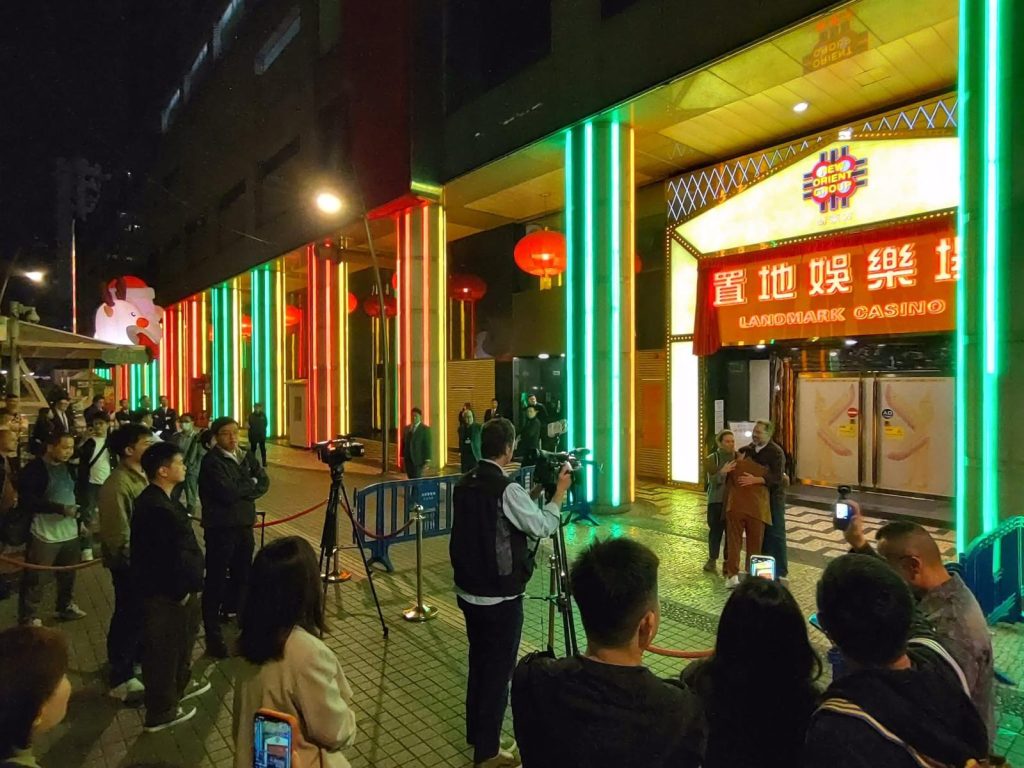
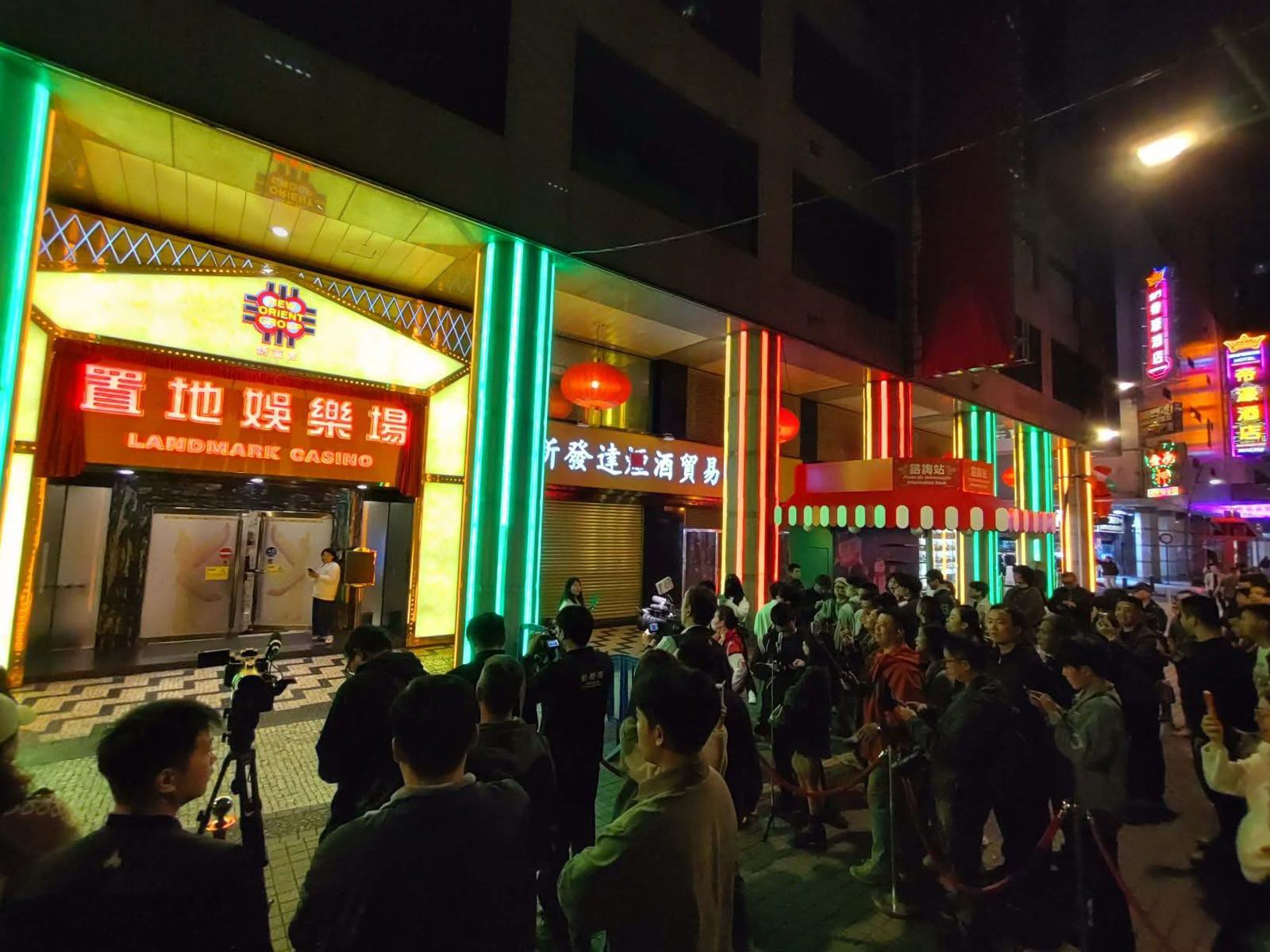
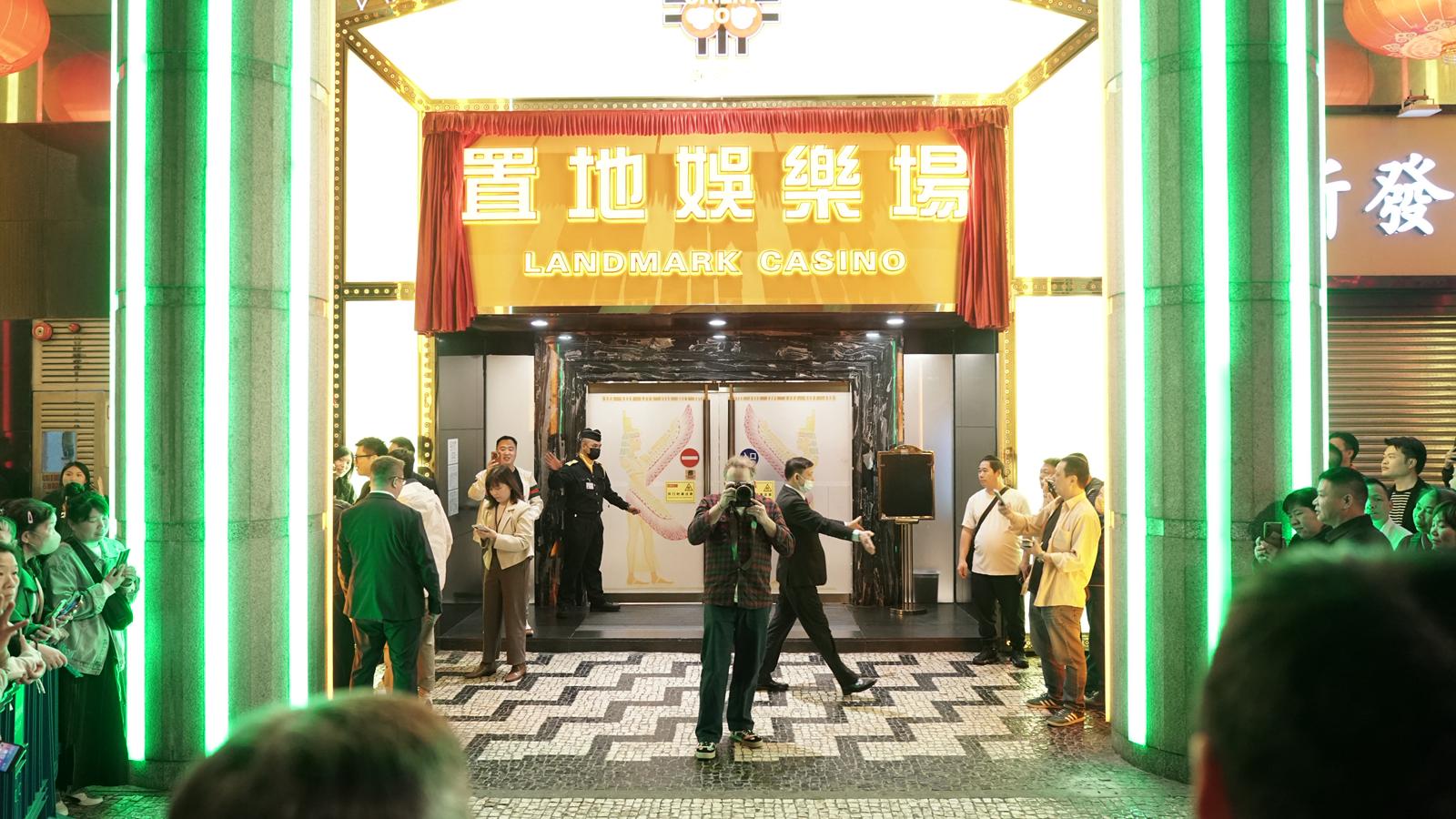
Macau’s long-running satellite casino model has officially come to an end following the closure of the Landmark, the city’s final operating satellite casino, marking a defining moment in the evolution of the world’s largest gaming hub. The shutdown, effective at the turn of the year, reflects the culmination of regulatory reforms introduced under Macau’s new gaming concession regime, which prioritises clearer accountability and direct operational control by licensed concessionaires. For decades, satellite casinos played a key role in expanding gaming capacity beyond major integrated resorts, particularly during Macau’s rapid growth phase in the early 2000s.
Satellite casinos historically operated under agreements with concession holders, allowing third-party property owners to host gaming tables while relying on a licensed operator for regulatory coverage. While this structure supported entrepreneurial growth and neighbourhood-based casinos, it also created operational complexity and blurred lines of responsibility. Regulators have increasingly viewed the model as incompatible with the tighter governance standards introduced in recent years, especially following the renewal of gaming concessions in 2023.
The closure of the Landmark follows a wave of earlier exits and transitions, with several satellite casinos either shuttered or absorbed into direct operations by concessionaires such as SJM Resorts. In some cases, properties were integrated to ensure continuity of employment and gaming operations, while others were deemed non-viable under the new cost and compliance environment. Industry observers note that rising labour costs, lower table allocations and stricter oversight accelerated the decline of the satellite model.
From a regulatory standpoint, Macau authorities have consistently emphasised that concessionaires must now assume full responsibility for gaming operations, staffing and compliance. This shift is designed to strengthen regulatory clarity, reduce systemic risk and align casino management more closely with broader policy goals, including diversification into non-gaming tourism, conventions and cultural offerings. The disappearance of satellite casinos is therefore widely seen as a natural consequence of these policy priorities.
The end of satellite casinos also carries social and urban implications. Many of these venues were embedded within older districts, supporting surrounding retail, food and transport businesses. Their closure raises questions about redevelopment and the future use of these sites, with some expected to be repurposed for hospitality, commercial or mixed-use projects as Macau continues to reposition itself beyond gaming-centric growth.
Looking ahead, analysts suggest that while the loss of satellite casinos reduces overall gaming capacity at the margins, it reinforces a more consolidated and sustainable industry structure. With gaming activity now firmly concentrated in integrated resorts operated directly by concessionaires, Macau enters a new chapter defined by scale, regulatory alignment and long-term strategic planning rather than fragmented expansion.