
 Content Writer: Janice Chew • Thursday, 26/07/2026 - 23:20:16 - PM
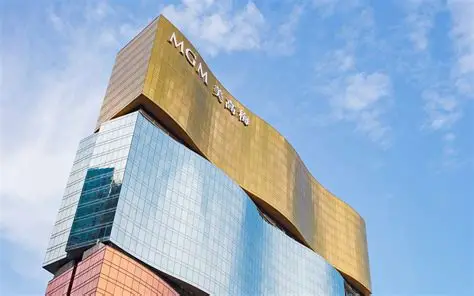
MGM China is defending its approach to player reinvestment by arguing that casino competitiveness should not be measured only by complimentary rooms, rebates or promotional spending.
Instead, the company is combining upgraded accommodation, premium gaming areas, service, entertainment and targeted promotions into a broader customer-value package designed to improve the productivity of its properties.
Kenneth Feng: Optimise Every Part of the Casino Floor
Speaking during MGM Resorts International’s second-quarter 2026 earnings call, MGM China President and CEO Kenneth Feng explained:
“Our strategy is really to focus on optimizing the yield of every table, every slot, every square foot of the casino floor.”
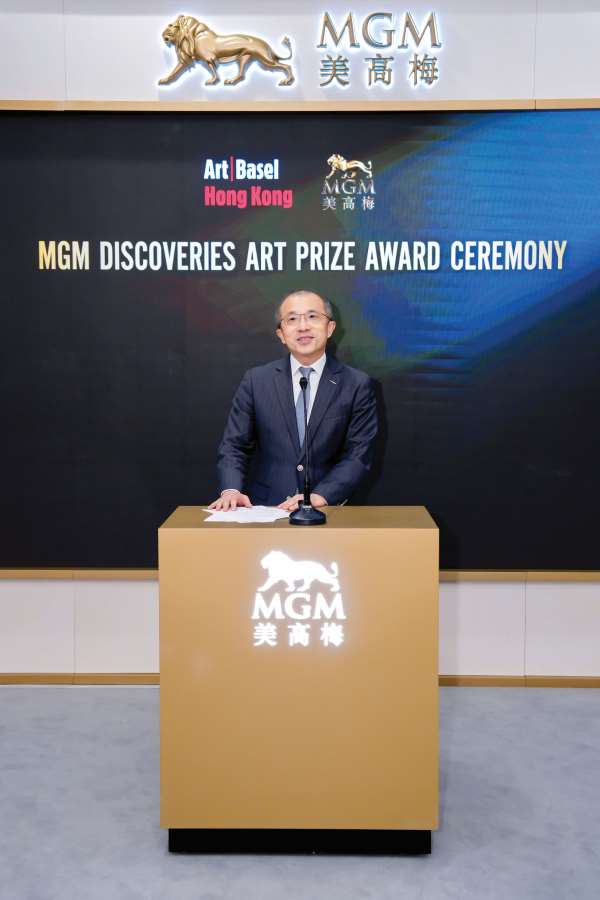
Feng said MGM China’s offering should be viewed as a package consisting of its products, services, innovation and promotions—not simply higher promotional reinvestment.
This distinction is important. Conventional casino reinvestment often concentrates on how much value is returned to players through rooms, dining, transport, commissions or gaming incentives. MGM China’s approach appears to focus more broadly on whether every part of the customer experience generates sufficient incremental gaming and non-gaming value.
MGM’s Gaming Results Illustrate the Strategy
MGM China generated approximately US$1.1 billion in revenue during 2Q26, broadly unchanged from the previous year. Casino revenue declined 2% to US$956 million, while main-floor table drop fell 7% to US$3.82 billion.
However, main-floor table win increased 2% to US$1.04 billion as the win percentage improved from 25.0% to 27.2%.
Although casino hold can fluctuate, the numbers demonstrate the principle behind Feng’s yield-focused strategy: lower betting volume does not automatically translate into proportionately lower revenue when table mix, customer quality, game allocation and floor productivity are managed effectively.
The objective is therefore not necessarily to attract the largest possible number of visitors. It is to attract the right customers, place them within the right gaming environments and increase the value generated from each visit.
Premium Product Is Part of Player Reinvestment
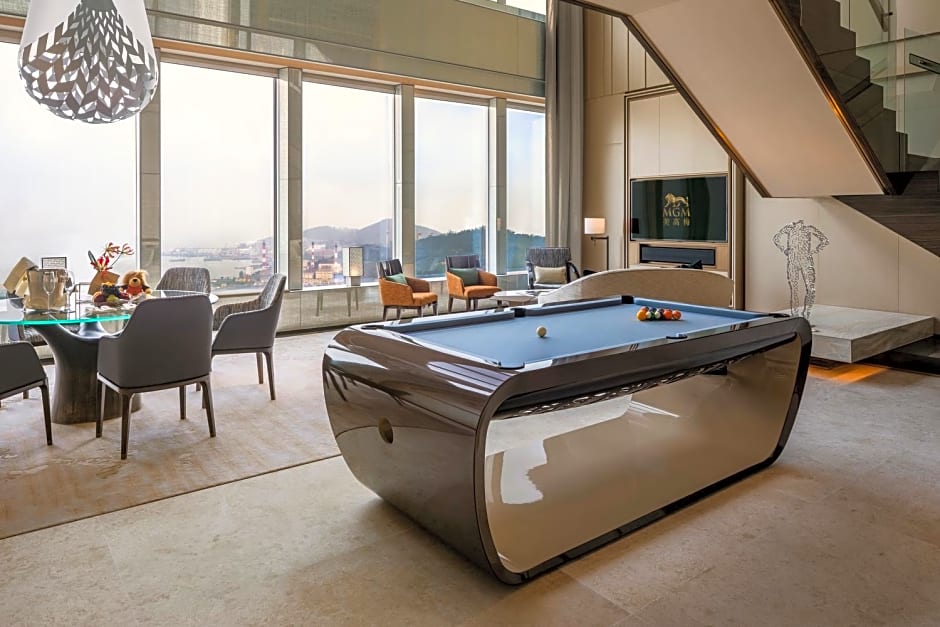
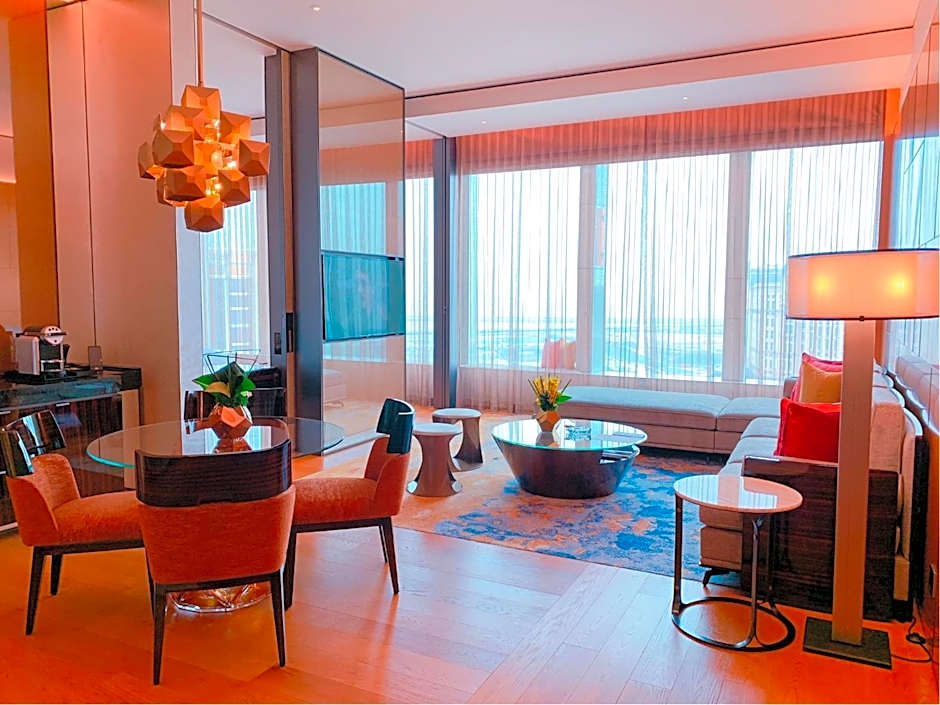
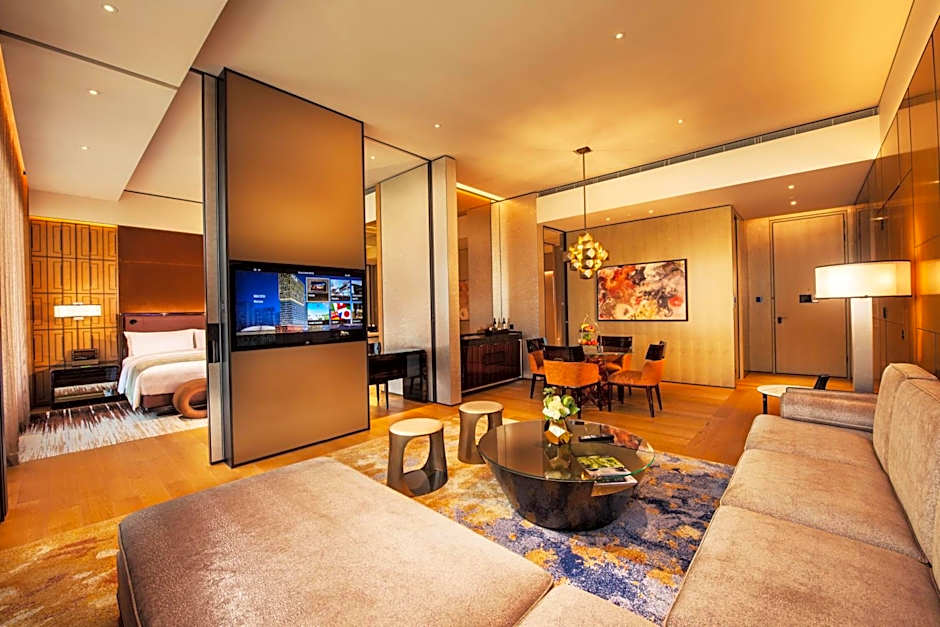
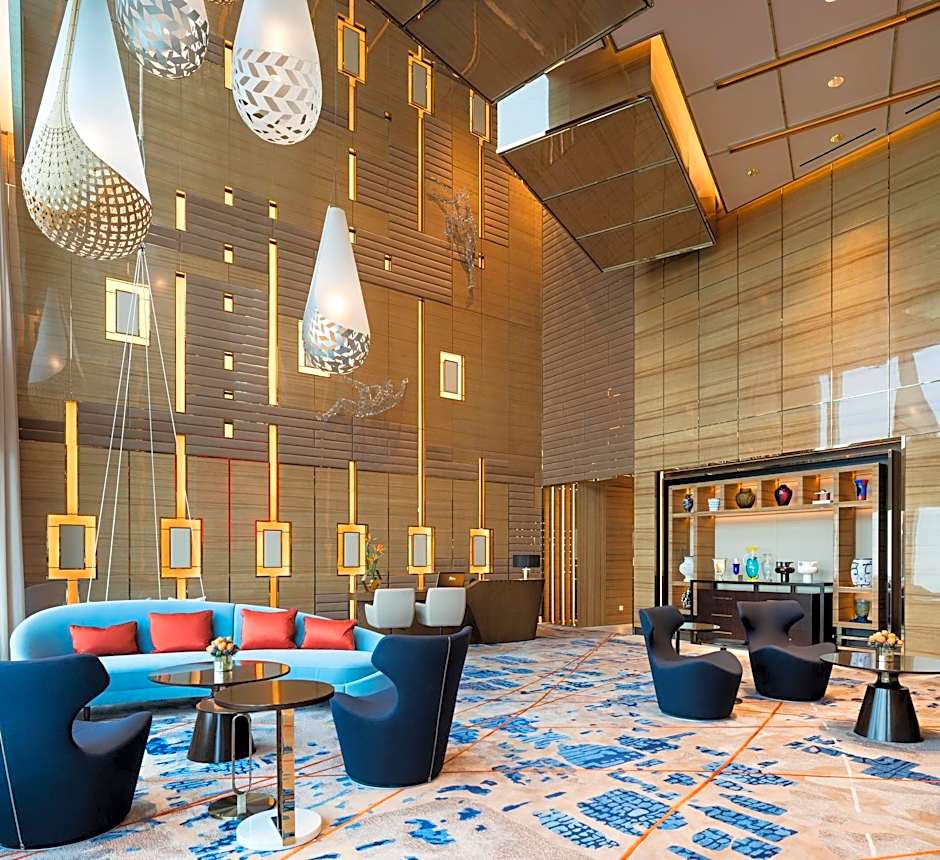
During the quarter, MGM China completed suite conversions and opened upgraded premium gaming space at MGM Cotai. Feng said these projects had been well received by premium customers. The company also plans to renovate another 100 suites at MGM Macau.
These investments show why MGM does not consider reinvestment to be purely promotional.
A renovated suite can improve customer acquisition and retention while also raising room value. A redesigned premium gaming space can increase comfort, privacy and playing time while allowing MGM to allocate tables to higher-value demand. Better restaurants, entertainment and personalised service can extend stays and increase spending across the resort.
In this model, the physical product becomes part of the casino reinvestment programme.
Margin Pressure Still Requires Attention
The strategy is commercially logical, but MGM China’s latest results also show the importance of cost control.
Segment adjusted EBITDAR declined 15% to US$257 million, with margin falling from 27.1% to 23.3%. MGM Resorts said MGM China’s intercompany branding licence expense increased by US$21 million year-on-year.
The additional branding expense represented almost half of the US$44 million year-on-year decline in segment adjusted EBITDAR, although other operating factors also affected the result.
The higher expense follows a new agreement that doubled MGM China’s branding fee from 1.75% to 3.5% of adjusted consolidated net monthly revenue from January 2026.
This creates a more demanding operating environment. MGM must generate enough additional revenue and customer value from its brand, premium facilities and promotional package to offset the higher fees and protect margins.
MGM Is Building on Premium-Mass Strength
MGM China entered 2026 with strong momentum in its core mass-market segments. During the first quarter, main-floor table win rose 18% and table drop increased 9.5%. Its reported Macau GGR market share stood at 15.4%.
The broader Macau market weakened during June, when GGR declined 12.1% year-on-year to MOP18.5 billion, partly because the FIFA World Cup diverted attention and spending from casino activity.
Feng subsequently said MGM’s visitation and normalised GGR had recovered strongly in July and exceeded first-quarter levels, supported by pent-up demand and Macau’s summer events calendar.
The recovery will test whether MGM’s upgraded premium product can translate returning demand into stronger revenue per customer rather than simply higher foot traffic.
The Bigger Industry Lesson
MGM China’s strategy reflects a wider change in Macau.
Operators are competing for premium-mass customers who expect more than gaming incentives. They increasingly evaluate the full experience: accommodation, dining, privacy, entertainment, recognition and service quality.
This means the next stage of casino competition may be less about who offers the largest promotion and more about who can assemble the most commercially effective experience around each customer.
MGM China’s “package” philosophy therefore represents more than a marketing message. It is a yield-management strategy that connects property design, customer analytics, service delivery and gaming-floor allocation.
Final Takeaway
Kenneth Feng’s comments underline MGM China’s attempt to move the conversation away from the cost of player reinvestment and towards the return generated by it.
Renovated suites, premium gaming areas and targeted promotions can support stronger customer loyalty and floor productivity. However, the strategy must also produce sustainable margins—particularly as branding costs rise and Macau’s operators continue competing aggressively for premium demand.
MGM China’s success will ultimately depend not on how much it gives back to players, but on how effectively its complete package converts customer spending into profitable, repeatable growth.