
 Content Writer: Janice Chew • Thursday, 26/07/2026 - 23:11:22 - PM
MGM China has acquired MGM Asia-Pacific Ltd from its parent company MGM Resorts International for US$20 million, giving the Macau operator control of a mainland China hotel management business with eight operating hotels and 12 more projects under development.
At first glance, this may look like a modest transaction compared with large integrated resort investments. But strategically, it is meaningful. MGM China is not buying physical hotel assets. It is buying a light-asset hospitality management platform, brand relationships, operating history and a wider route into Greater China’s cultural tourism market.
What MGM China Bought
MGM Asia-Pacific Ltd operates through MGM Hospitality, a platform that has been built over nearly two decades for MGM-branded hotel projects in mainland China.
The business does not own the hotels it manages. Instead, it provides services such as branding, hotel management, marketing, loyalty, training and technical support in exchange for fees.
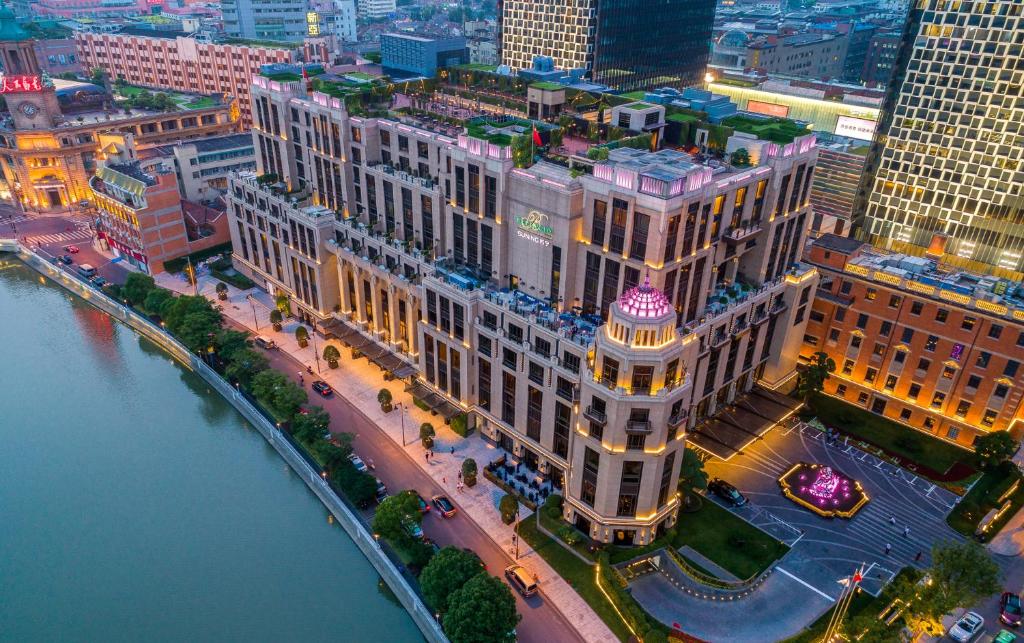
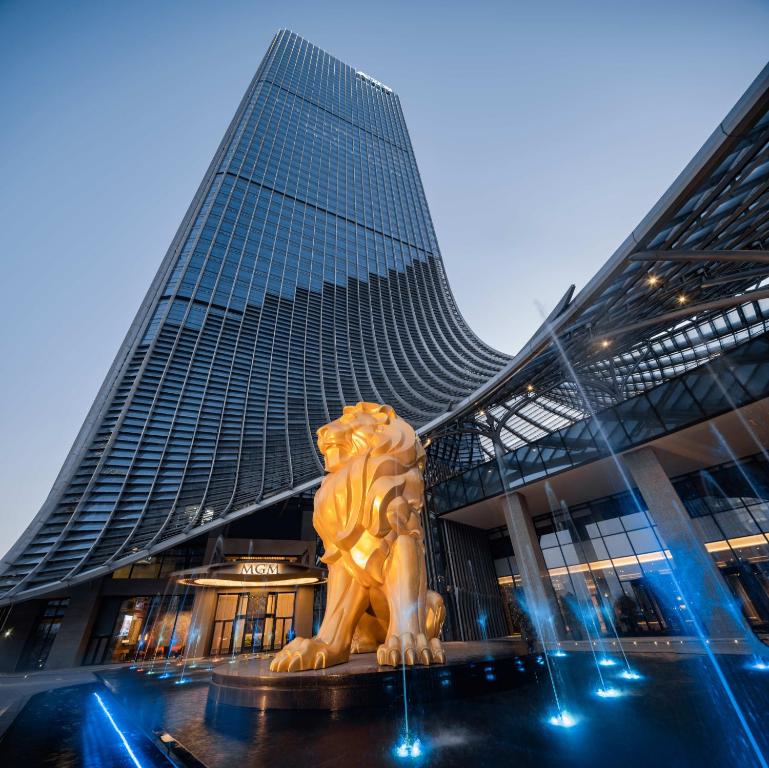
Its current hotel network includes properties such as Bellagio by MGM Shanghai, MGM Shanghai West Bund, MGM Grand Sanya, MGM Qingdao, MGM Reserve Zhuhai and MGM Shenzhen Prince Bay.
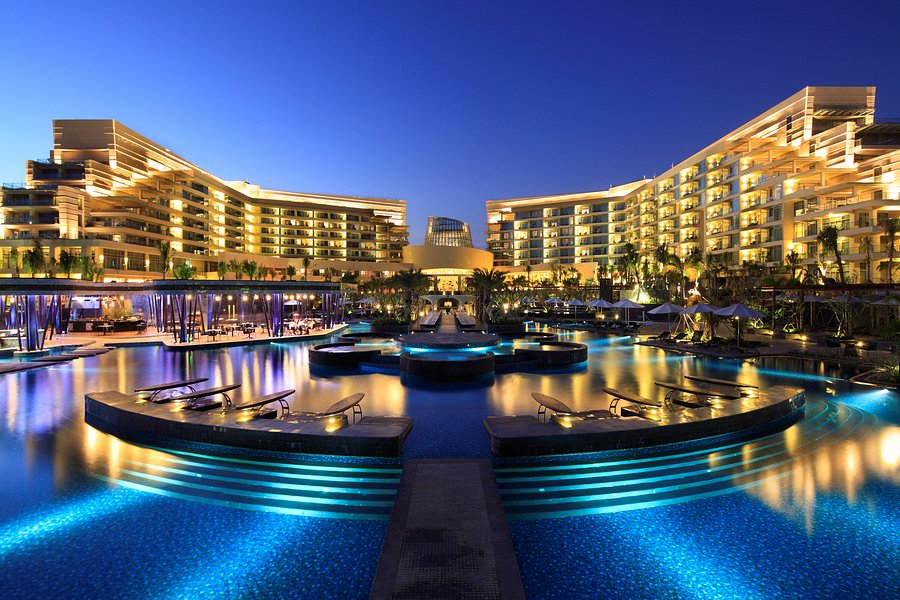
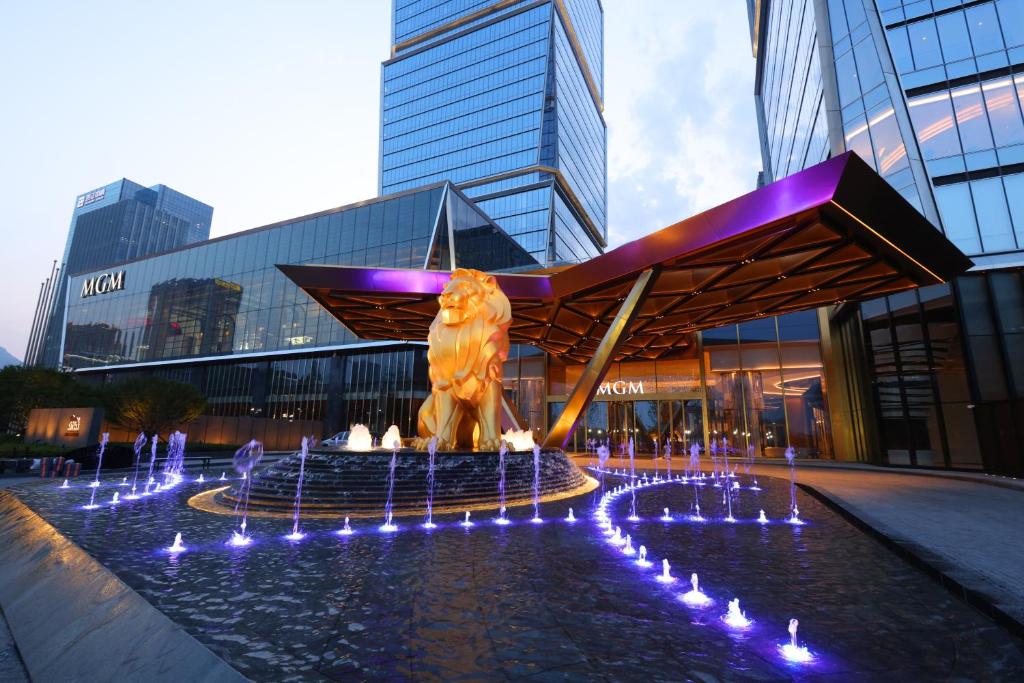
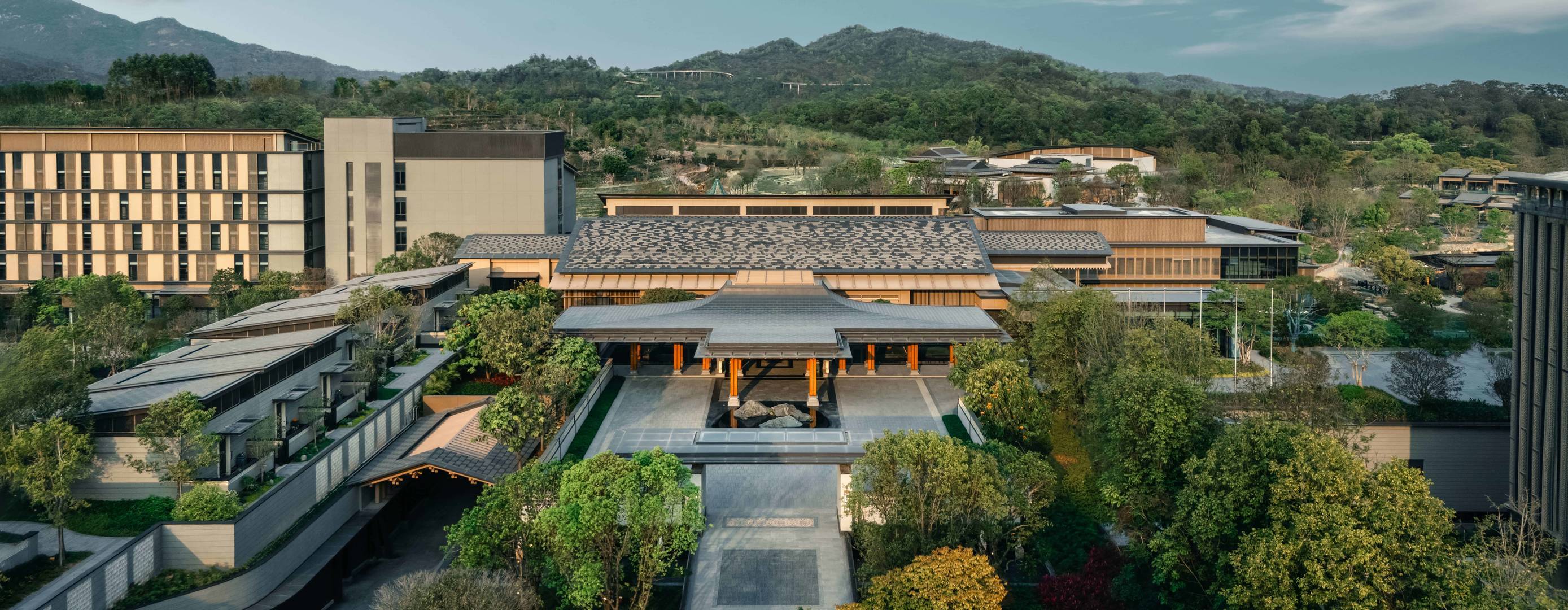
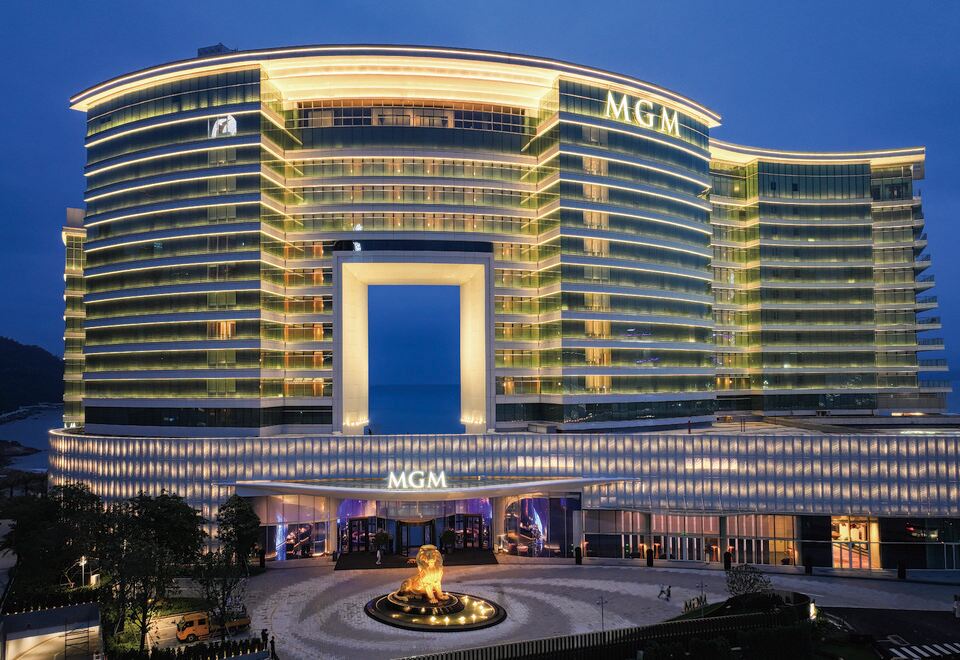
This makes the acquisition a low-capital way for MGM China to expand its presence beyond Macau without immediately taking on the heavy cost of owning and building large physical hotel assets.
Why the Deal Matters
The most important point is that MGM China is strengthening its role beyond casino operations.
Macau’s gaming operators are under long-term pressure to support non-gaming development, tourism diversification, cultural attractions, entertainment and broader hospitality growth.
By acquiring MGM Asia-Pacific, MGM China gains a stronger platform in mainland China hospitality management. This gives the company more exposure to hotel branding, cultural tourism and customer engagement outside the Macau gaming floor.
This is useful because the future of integrated resorts will not depend only on casino revenue. The strongest operators will be those that can connect hotels, entertainment, lifestyle, loyalty, food and beverage, events and digital engagement across a wider customer journey.
A Light-Asset Strategy
The deal is important because it follows a light-asset model.
Instead of spending billions to own hotel properties, MGM China can earn revenue by managing, branding and supporting hotel projects owned by other parties.
This creates a different type of growth. It may not generate the same direct revenue as owning a major resort, but it can expand brand reach with lower capital intensity.
For hospitality companies, a light-asset model can be powerful if the brand is strong, the management quality is high and the pipeline is healthy.
MGM China is effectively buying a platform that can help the MGM name travel further across Greater China.
The Loyalty Opportunity
One interesting detail is that MGM Asia-Pacific’s revenue sources include loyalty-related fees connected to access to more than 1.5 million Mlife loyalty programme members.
This is strategically valuable.

Hotel management is no longer only about rooms, staff and service standards. It is also about customer data, loyalty engagement, repeat visitation and cross-market marketing.
If MGM China can connect mainland hotel guests with Macau resort experiences, events, dining, entertainment and loyalty benefits, the acquisition can become more than a hotel-management deal. It can become a customer-ecosystem play.
The Marketing Lesson
From a marketing perspective, MGM China is gaining more touchpoints with Chinese consumers.
A customer may first experience the MGM brand through a hotel in Shanghai, Qingdao, Sanya, Zhuhai or Shenzhen. Later, that same customer could be encouraged to visit MGM Macau or MGM Cotai for entertainment, dining, events or premium leisure experiences.
This is how strong hospitality brands build long-term value.
The goal is not just to sell one hotel stay. The goal is to build a connected brand relationship across multiple cities and travel occasions.
For MGM China, mainland hotel management can become a top-of-funnel brand engine that supports Macau visitation and broader Greater China customer loyalty.
Why Timing Is Important
The timing is also interesting because MGM China recently secured a longer-term branding arrangement with MGM Resorts for use of the MGM name through the current Macau concession term, with potential extension if future concession rights are granted.
This gives MGM China greater confidence to build around the MGM brand for the long term.
Acquiring the mainland hotel management business fits that direction. It allows MGM China to use the brand not only inside Macau, but across a broader hospitality network in Greater China.
That matters because brand control, market reach and customer loyalty are becoming more important as competition across Asian tourism and integrated resorts intensifies.
The Risk: Revenue Is Still Small and the Business Is Loss-Making
The acquisition should not be overhyped.
MGM Asia-Pacific reported revenue of RMB80.6 million in 2025 and a net loss of RMB7.7 million.
This means MGM China is not buying a large profit engine today. It is buying future strategic potential.
The challenge will be execution.
MGM China needs to convert the platform into profitable growth by improving fee income, managing costs, expanding the hotel pipeline, strengthening brand standards and building stronger customer conversion between mainland China and Macau.
Original Insight: MGM China Is Buying Distribution, Not Just Management Fees
The most valuable part of this acquisition may not be the current revenue.
The real value is distribution.
MGM China is gaining more places where customers can experience the MGM brand, more partners in mainland China, more hotel touchpoints, more loyalty pathways and more opportunities to influence travel behaviour.
This is similar to a digital platform acquiring more channels. The more touchpoints a brand controls, the more chances it has to build trust, collect insights and convert customers into higher-value relationships.
In hospitality, distribution is power.
Final Takeaway
MGM China’s US$20 million acquisition of MGM Asia-Pacific is small in dollar value but important in strategic meaning.
It gives MGM China control of a light-asset mainland hotel management platform, strengthens its Greater China hospitality footprint and creates new opportunities to connect mainland customers with Macau resort experiences.
The deal is not about immediate profit alone. It is about brand reach, customer access, non-gaming growth and long-term positioning.
For integrated resort operators, the message is clear: future growth will come not only from casino floors, but from building connected hospitality ecosystems across markets.