 Content Writer: Janice Chew • Saturday, 26/01/2026 - 01:22:05 - AM
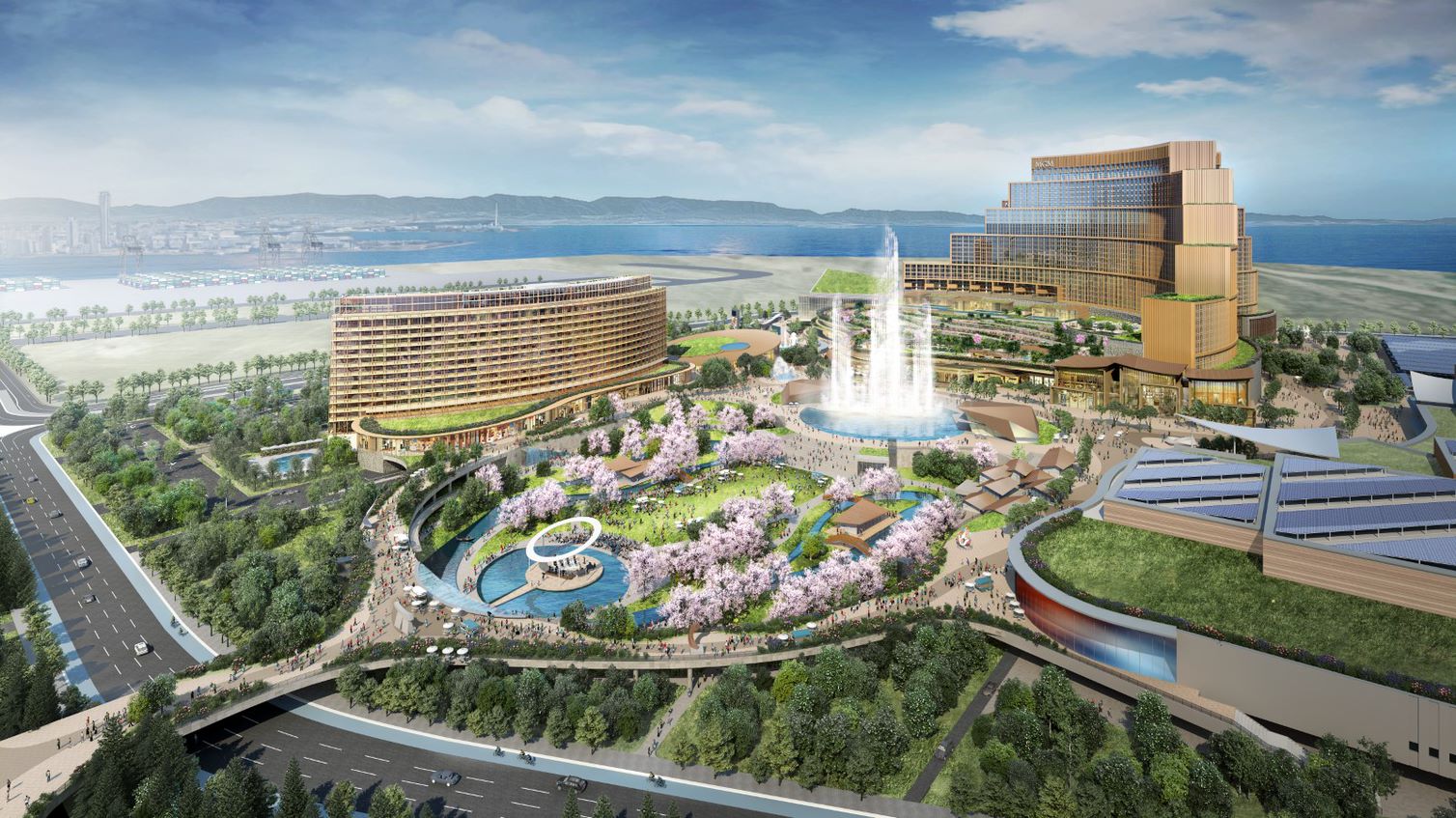
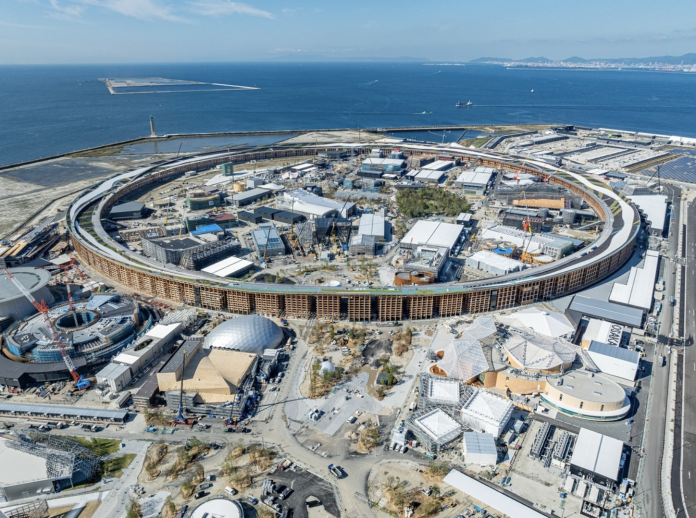
The city of Osaka has confirmed plans to sell a central parcel of land originally reserved for Expo-related use on Yumeshima island, located adjacent to the future MGM Osaka Integrated Resort. According to local officials, the move reflects a shift from short-term Expo utilisation toward longer-term urban and commercial development following the conclusion of Expo 2025, with the land expected to attract private-sector interest.
The site in question forms part of the broader Yumeshima master plan, a large-scale artificial island development in Osaka Bay. While some parcels are already allocated to infrastructure and tourism assets, the central Expo land had remained undecided. Osaka authorities now believe that monetising the site through a public sale will help fund future redevelopment costs while accelerating private investment in the area, particularly as construction of the MGM-led integrated resort progresses.
Analysts note that the proximity of the land to the integrated resort significantly enhances its appeal. The MGM Osaka IR, developed by MGM Resorts International and local partner Orix, is positioned as a cornerstone project designed to transform Yumeshima into a major tourism and entertainment hub. Surrounding land use will therefore play a critical role in shaping visitor flow, non-gaming attractions, and the overall economic impact of the district.
From a policy perspective, Osaka’s decision also aligns with Japan’s broader strategy of leveraging major international events to catalyse long-term urban regeneration. Similar approaches have been seen in other global Expo host cities, where post-event land sales and rezoning are used to attract mixed-use developments, offices, hotels and leisure facilities rather than leaving sites underutilised once exhibitions end.
Market observers cited by industry media suggest that timing is key. With Expo 2025 nearing completion and the integrated resort scheduled to open later in the decade, Osaka is seeking to lock in private-sector commitments early, reducing fiscal pressure on the city while ensuring cohesive planning around transport, hospitality and commercial activity on the island.
Looking ahead, the land sale is expected to draw interest from real estate developers, hospitality groups and infrastructure investors, particularly those looking to benefit from the long-term footfall generated by the integrated resort. Together, the Expo legacy projects and the MGM IR are increasingly viewed as twin pillars of Osaka’s ambition to reposition itself as a leading international tourism and business destination in western Japan.