
 Content Writer: Janice Chew • Tuesday, 26/08/2026 - 17:07:45 - PM
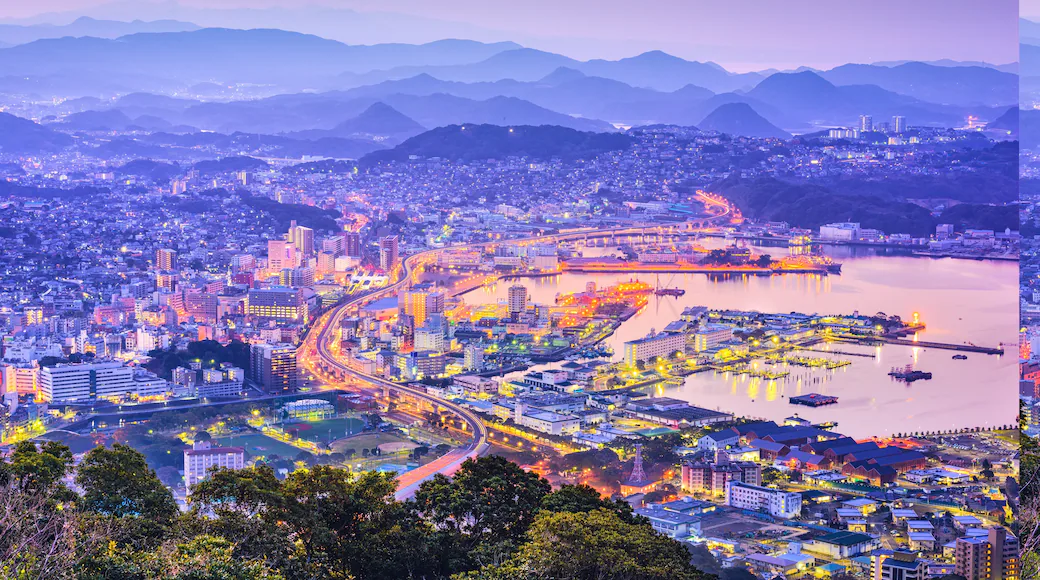
Japan’s race for its remaining integrated resort licences could be heating up again, with business leaders in Sasebo, Nagasaki Prefecture, calling for a renewed effort to develop an integrated resort (IR) with a casino.
The Sasebo Chamber of Commerce and Industry submitted a formal request to Sasebo Mayor Daisuke Miyajima on 24 August, urging the city to reconsider an IR bid ahead of Japan’s next application window, scheduled from 6 May to 5 November 2027.
Sasebo Wants Another Chance
Sasebo was previously at the centre of Nagasaki Prefecture’s IR proposal, with a resort planned next to the Huis Ten Bosch theme park.
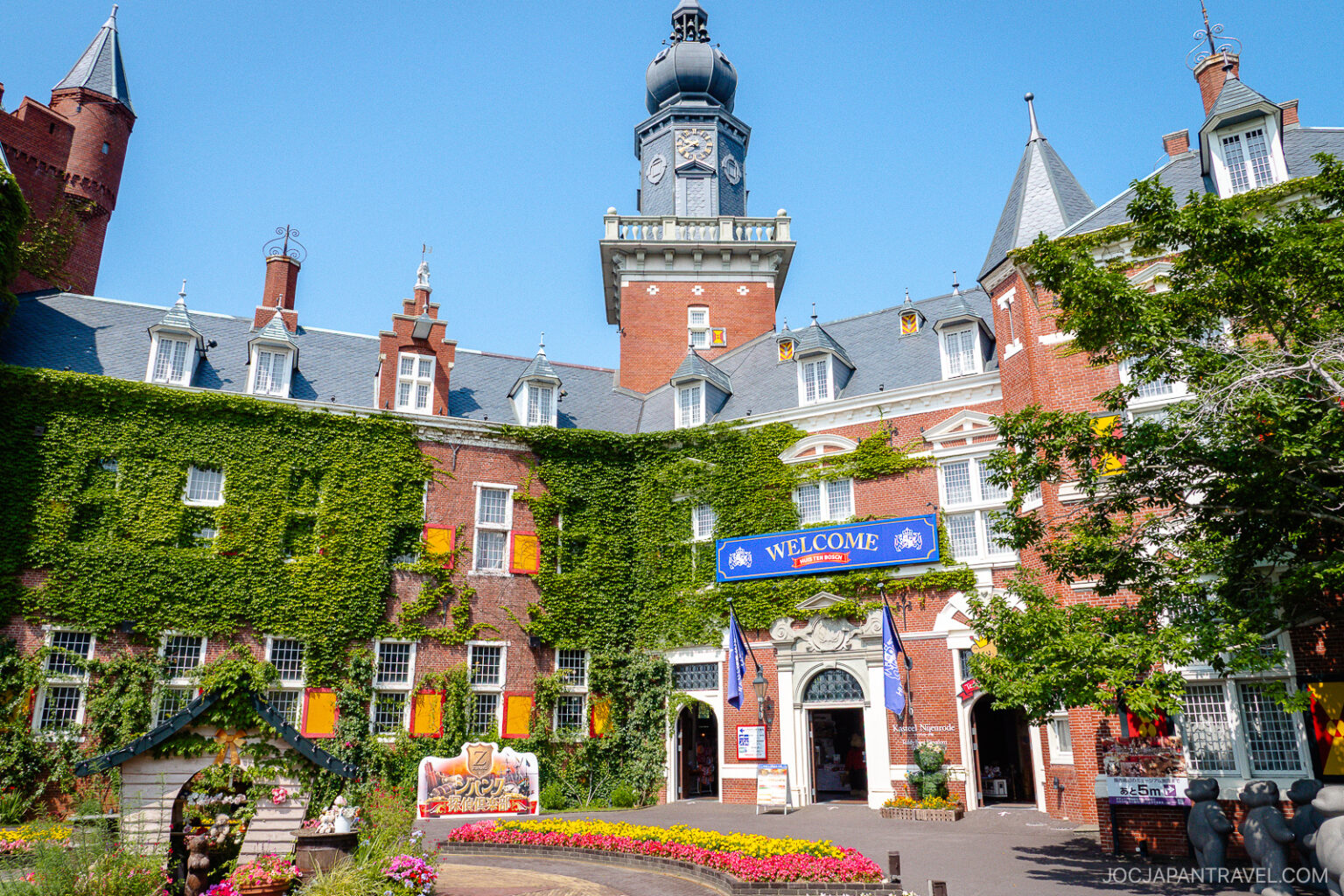 However, Japan’s national government declined to approve the Nagasaki plan in December 2023. Sasebo’s own official records confirm that the proposal submitted by Nagasaki Prefecture and its private-sector partner was rejected by the Ministry of Land, Infrastructure, Transport and Tourism.
Despite the setback, local business leaders believe Sasebo should not give up.
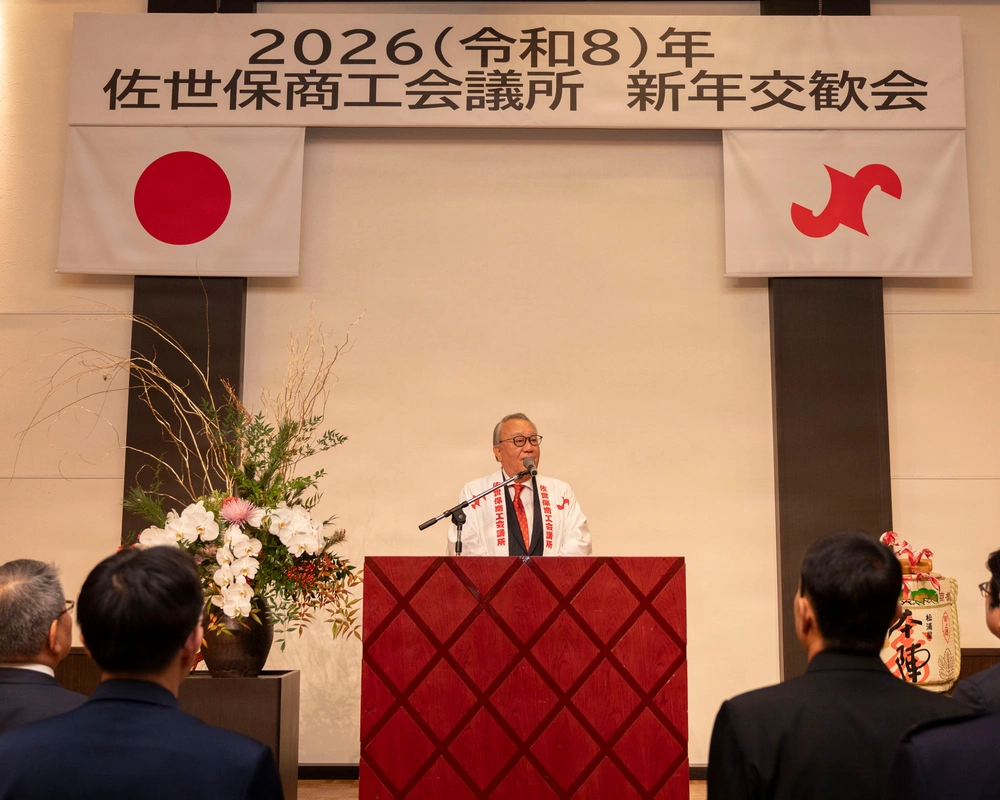
Takuya Kaneko, chairman of the Sasebo Chamber of Commerce and Industry, remarked:
“Our stance on IR remains unchanged.”
Kaneko said an IR could help revitalise Sasebo and northern Nagasaki Prefecture, while arguing that the knowledge and experience accumulated during the previous bid could give the region an advantage in a new application round.
 Mayor Keeps the Door Open
Sasebo Mayor Daisuke Miyajima also stopped short of ruling out another attempt.
He said the experience gained from the failed 2023 application was significant and that the city should examine the possibility of restarting its IR initiative while watching developments at both the national and prefectural levels.
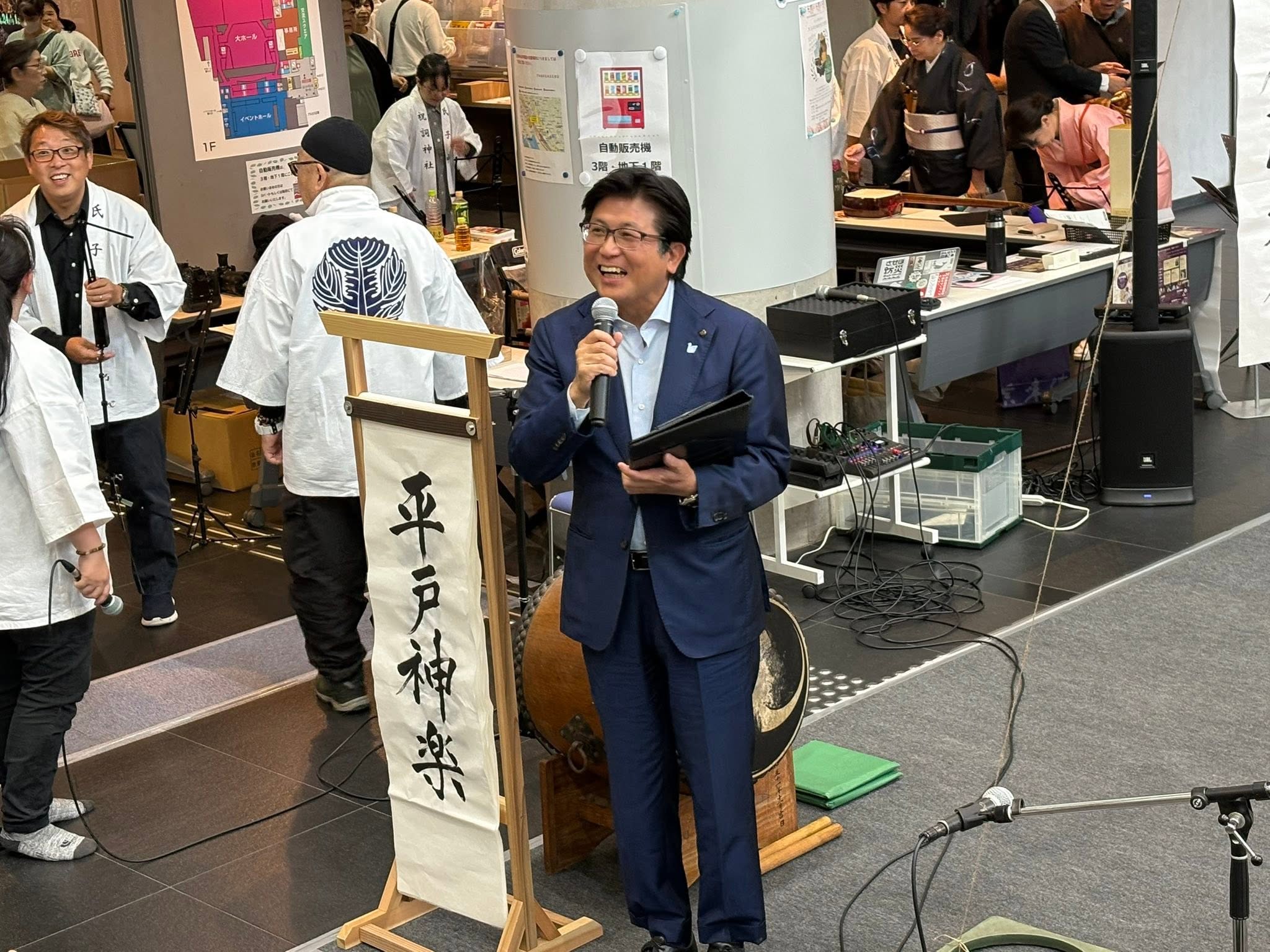 Interestingly, Miyajima also suggested that a future project should not necessarily be restricted to the previous Huis Ten Bosch location, meaning other potential sites within Sasebo could also be considered.
This represents a notable shift from the city's immediate position following the 2023 rejection, when the focus was primarily on using the expertise and networks created during the IR campaign to support wider regional development.
Japan’s Second IR Race Is Taking Shape
Sasebo is not alone.
Nearby Omura has also begun studying the possibility of an IR, while Hokkaido recently revealed that three international casino operators and 12 Japanese companies responded to its IR-related questionnaires.
Japan originally provided for up to three IR licences, but only one has been approved so far.
MGM Osaka, backed by MGM Resorts International and Japanese partners, is already under construction and remains on track for an opening in 2030.
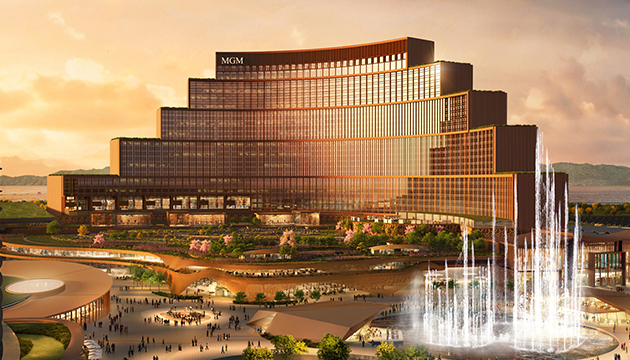 That potentially leaves two licences still available, giving regions such as Nagasaki and Hokkaido another opportunity.
Why an IR Still Matters to Sasebo
For Sasebo, the argument has always gone beyond casino gaming.
The city has previously highlighted population decline and the outflow of younger workers as major challenges. Its official IR information noted that a large integrated resort could create employment across many different occupations and potentially encourage people to return to the region for work.
From an employment perspective, a large IR can create demand far beyond casino dealers. Opportunities can extend across:
- Hotels and hospitality
- Food and beverage
- Tourism and attractions
- IT and gaming systems
- Sales and marketing
- Finance and administration
- Security and compliance
- Engineering and facilities management
Insights
The renewed Sasebo discussion is still at an early stage. Crucially, Sasebo itself cannot submit an IR application directly — Nagasaki Prefecture would ultimately need to back a new bid.
But the latest development shows that the Nagasaki IR idea is not completely dead.
With Hokkaido exploring its options, Omura studying the opportunity and Sasebo’s business community pushing for another attempt, competition for Japan’s remaining IR licences may become one of the most closely watched developments in Asia’s gaming and hospitality sector heading into 2027.
For the employment market, any successful new Japanese IR would also represent something much bigger: thousands of potential jobs and an entirely new hospitality, entertainment and tourism ecosystem.