
 Content Writer: Janice Chew • Monday, 26/02/2026 - 17:00:23 - PM
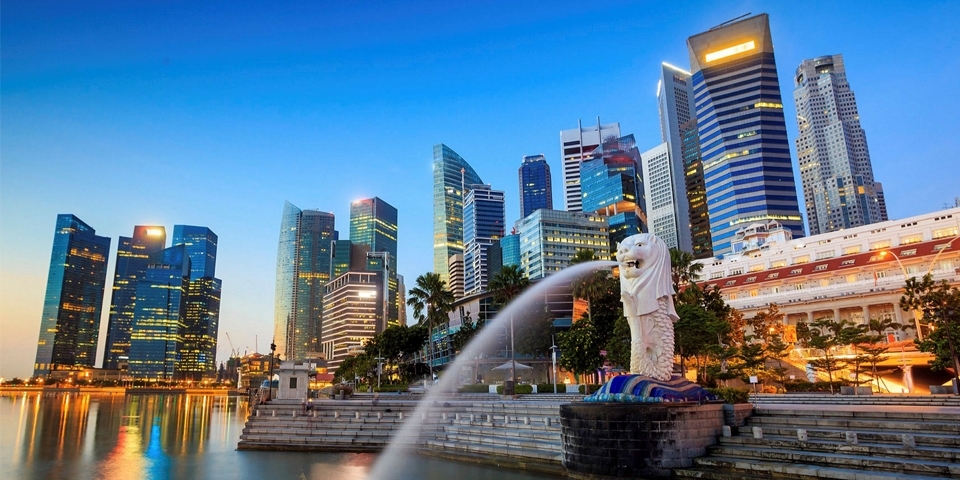
Singapore recorded approximately 1.5 million visitor arrivals in January, marking an 8% year-on-year decline. The drop was primarily attributed to weaker arrivals from mainland China and Indonesia — traditionally two of Singapore’s most significant inbound markets. The softer start to the year reflects shifting travel patterns, currency considerations and seasonal timing factors around Lunar New Year.
Arrivals from mainland China remain a critical variable for Singapore’s broader tourism ecosystem. Although outbound Chinese travel has been gradually normalizing, recovery has been uneven across destinations. Indonesia, another key feeder market due to proximity and strong retail demand, also saw a pullback, influencing overall monthly figures. Industry analysts note that short-haul regional flows can fluctuate quickly depending on airfare pricing, school holidays and macroeconomic sentiment.
Singapore’s integrated resorts — Marina Bay Sands and Resorts World Sentosa — typically benefit from high-spend international visitation. While January softness may create short-term revenue headwinds, the city-state’s diversified tourism base, including MICE events, concerts and business travel, provides a stabilizing effect compared to purely leisure-driven markets.


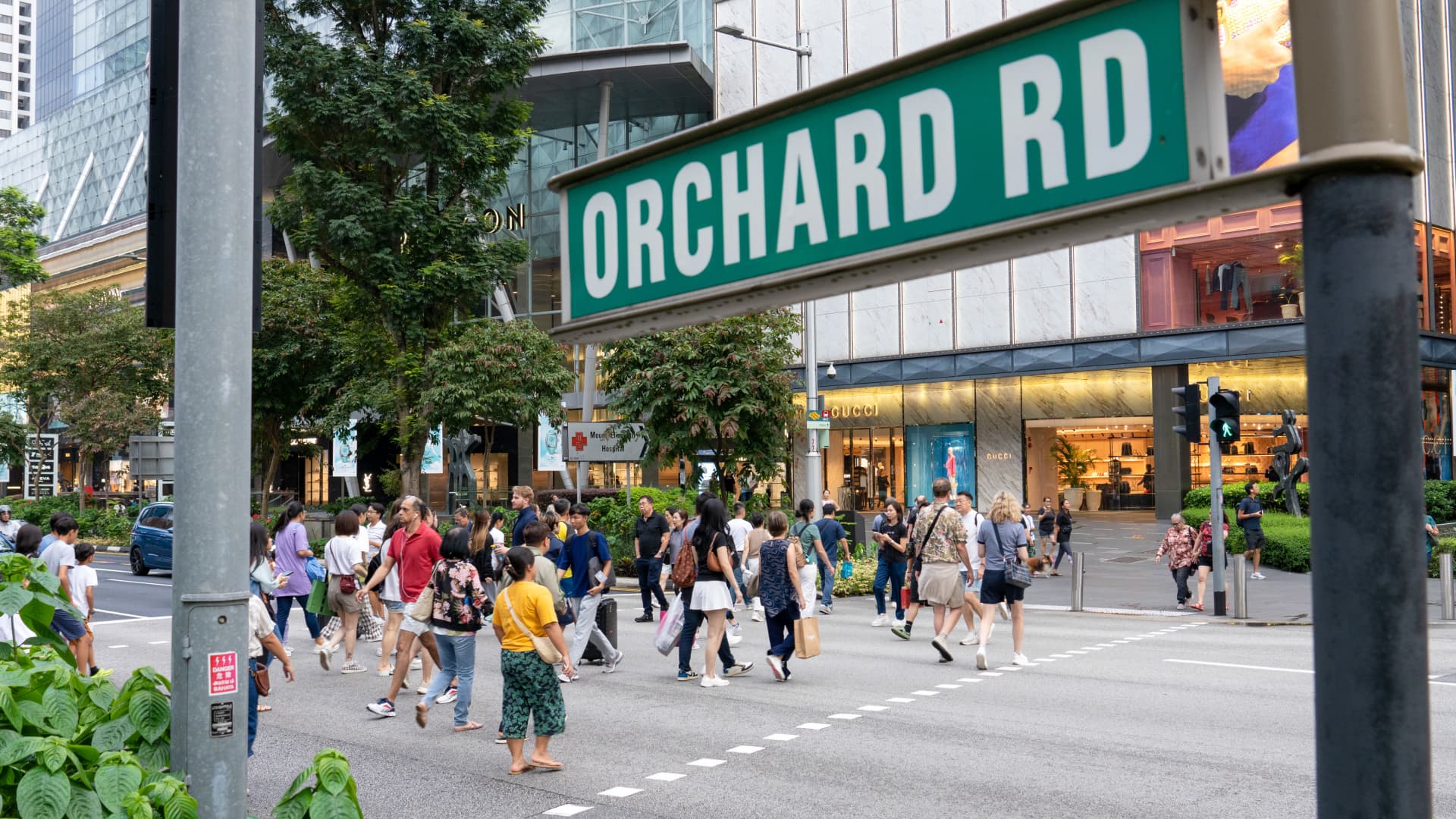
Beyond gaming, sectors such as retail, hospitality and attractions may also feel temporary impact. Orchard Road shopping districts, Sentosa attractions and premium dining venues are closely tied to cross-border tourism performance. However, Singapore’s strong air connectivity via Changi Airport and consistent event calendar continue to underpin long-term tourism fundamentals.



From a strategic standpoint, the January data serves as a reminder that tourism recovery is rarely linear. Singapore’s policy stability, visa facilitation measures and marketing campaigns in North Asia and Southeast Asia remain central to maintaining competitiveness. Regional competition is intensifying, with destinations like Thailand, South Korea and Japan aggressively targeting Chinese outbound travelers.
While an 8% decline is notable, it represents a monthly fluctuation rather than a structural downturn. For investors and operators, the key metrics to monitor in coming months will include visitor mix, per-capita spending and hotel occupancy trends. If Chinese and Indonesian arrivals rebound in subsequent quarters, Singapore’s tourism and integrated resort ecosystem could regain stronger momentum as 2026 progresses.