

 Content Writer: Janice Chew • Monday, 26/01/2026 - 22:51:19 - PM
SJM Holdings Ltd has moved to proactively manage its balance sheet by offering to repurchase a portion of its senior notes due in January 2026, while simultaneously proposing the issuance of new US-dollar-denominated senior notes as part of a broader debt refinancing exercise. The move underscores the Macau concessionaire’s intention to smooth near-term maturities and extend its debt profile at a time when financing conditions remain selective for gaming operators. The proposal is aimed at bondholders of the existing notes, offering liquidity and flexibility ahead of the upcoming maturity window.
According to disclosures cited by industry media, the refinancing plan would allow SJM to reduce refinancing risk while potentially lowering its average cost of debt, depending on market reception. The company has been actively engaging investors as it seeks to stabilise funding following several years of pandemic-era disruption and heavy capital expenditure commitments, including the development of Grand Lisboa Palace on Cotai. Analysts note that such liability management exercises are increasingly common among Macau operators seeking to regain financial footing.

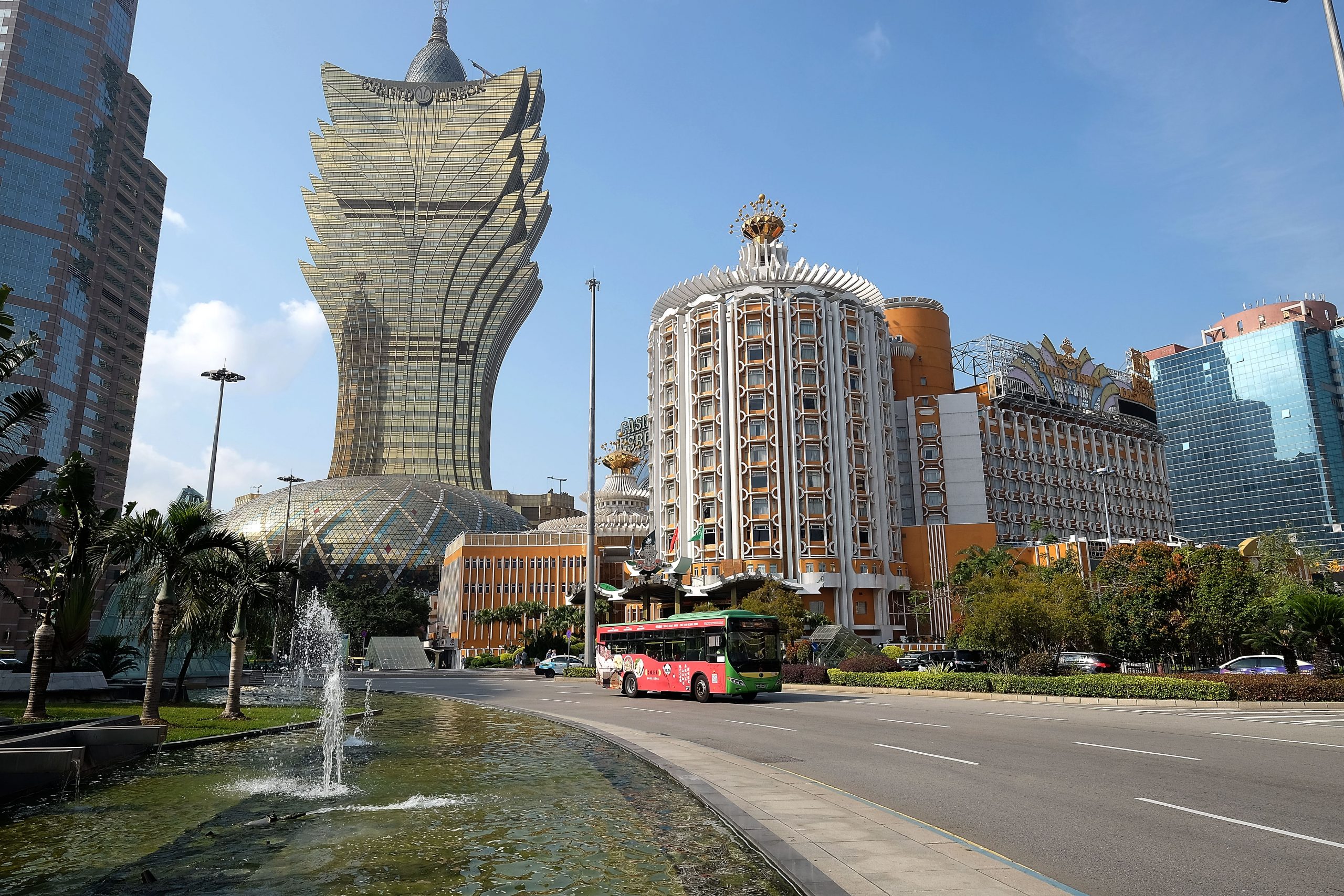
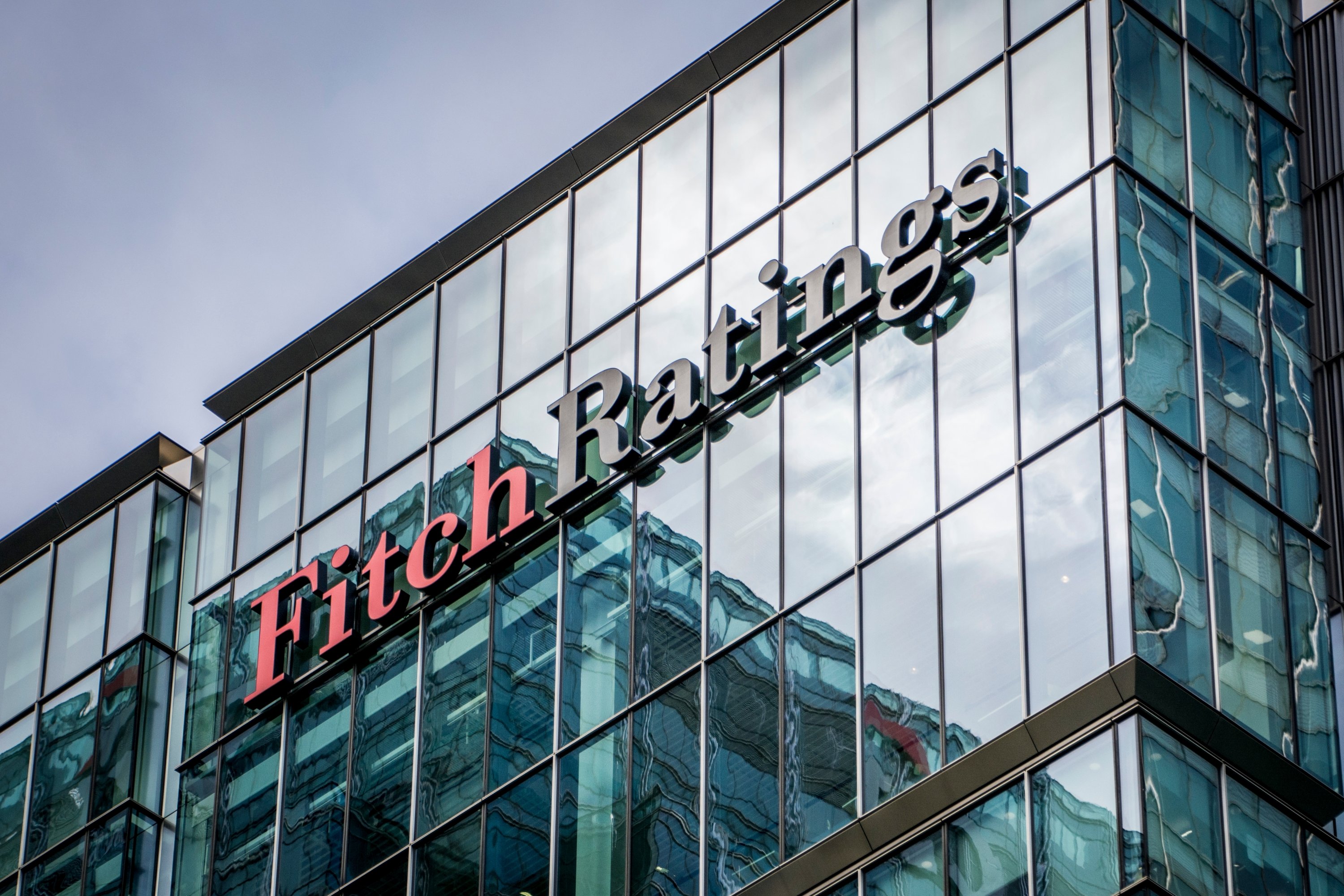
However, the refinancing effort comes against a more challenging credit and operating backdrop, as Fitch Ratings has warned that SJM’s deleveraging trajectory faces heightened uncertainty. In a recent assessment, Fitch highlighted that SJM’s ability to materially reduce leverage is being constrained by continued market-share erosion in Macau’s highly competitive post-reopening environment. This pressure complicates efforts to rebuild cash buffers and accelerate balance-sheet repair.
Fitch pointed out that while Macau’s gross gaming revenue recovery has supported cash flow across the sector, SJM has underperformed peers in terms of revenue capture, limiting the pace at which it can strengthen credit metrics. The agency suggested that without a clearer turnaround in market share or a sustained uplift in operating margins, SJM may find it difficult to deliver the level of deleveraging previously anticipated, despite ongoing cost discipline and refinancing initiatives.
From a strategic standpoint, SJM’s dual approach—managing maturities through refinancing while navigating operational headwinds—reflects the delicate balance facing mid-tier Macau operators. While larger rivals benefit from stronger Cotai footprints and diversified non-gaming income streams, SJM remains more exposed to volatility in gaming volumes, making balance-sheet management a central pillar of its near-term strategy.
Looking ahead, analysts suggest that the success of SJM’s proposed US-dollar note issuance will depend not only on broader market conditions but also on investor confidence in the company’s recovery narrative. A stabilisation—or reversal—of market-share losses could materially improve credit sentiment, while continued slippage may keep pressure on ratings and financing costs. For now, SJM’s refinancing plan offers breathing room, but its longer-term deleveraging path remains closely tied to performance on the Macau casino floor.