

 Content Writer: Janice Chew • Tuesday, 26/01/2026 - 17:58:49 - PM
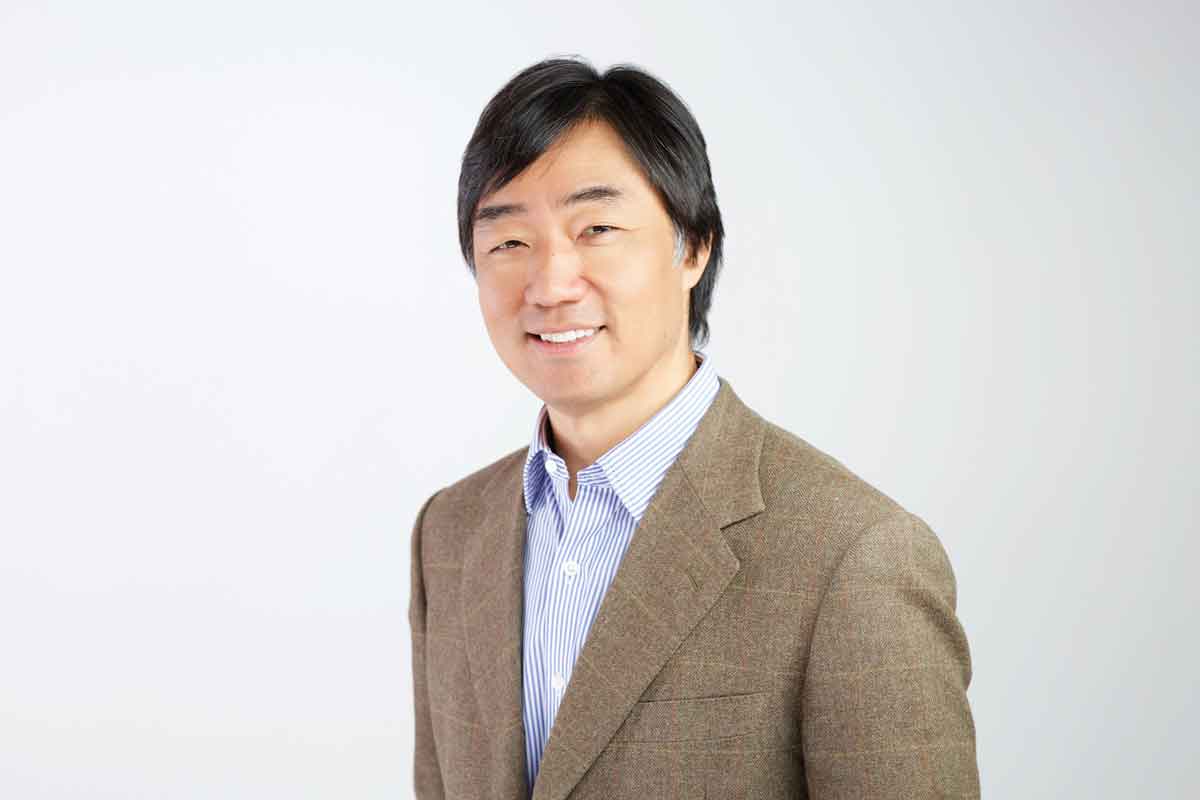
In one of the most candid assessments yet of Australia’s beleaguered casino operator, Bally’s Corporation Chairman Soo Kim has publicly described the historical missteps at Star Entertainment Group as potentially “the greatest bit of mismanagement I’ve ever seen,” underscoring both the depth of Star’s challenges and the scale of the turnaround task ahead. His comments, made in January 2026 as he leads the restructuring effort after Bally’s acquired a controlling stake in Star, reflect mounting scrutiny and strategic urgency as the company attempts to reverse years of operational and regulatory difficulties.
Star, once one of Australia’s premier integrated resort and casino groups with major properties in Sydney, Gold Coast and Brisbane, entered a prolonged period of instability following regulatory probity findings, financial losses, and leadership upheaval. Bally’s stepped in with a rescue and acquisition strategy in 2025, gaining control with a multi-hundred-million-dollar investment and initiating a comprehensive board and management overhaul.
Kim’s recent blunt characterization of Star’s past challenges speaks volumes about both the company’s legacy issues and Bally’s approach moving forward. According to him, Star’s decline from generating significant profits to “essentially zero” in recent years is indicative of systemic mismanagement that didn’t reflect the underlying value of its assets — which, he insists, number in the billions at key sites like Sydney and the Gold Coast.
His remarks align with a broader narrative of structural transformation at Star. Under Bally’s leadership, the company has already seen a sweeping boardroom makeover and senior executive departures as part of efforts to reset governance and operational strategy. This restructuring included replacing board members, departing senior executives, and rethinking the corporate office’s role — moves signaling a shift toward decisive action and property-level management.
Industry observers note that Star’s struggles didn’t emerge overnight. Prior probity concerns, regulatory intervention and sustained financial losses — highlighted in extensive media reporting and public filings over the past few years — had eroded both performance and reputation, leading to a share price collapse and trading halts before Bally’s stepped in to avert potential administration.
Bally’s Chairman Soo Kim — also closely associated with Standard General, the largest shareholder of Bally’s — has navigated corporate turnarounds in other sectors and brings that experience into the casino realm. Standard General itself has a background in distressed assets and restructurings, perhaps explaining why Bally’s sees Star not as a failed business, but as a “generational opportunity” with under-leveraged physical assets and market potential.
Nonetheless, Kim’s forthright critique underscores that the path ahead will be demanding. Rebuilding Star’s operational culture, restoring financial stability, navigating regulatory expectations, and transforming customer and investor confidence are all priorities that Bally’s faces in the months ahead. What began as a financially motivated acquisition is increasingly a strategic reinvention of an iconic Australian gaming brand under new leadership — one that openly acknowledges past failures as the first step toward future success.