
 Content Writer: Janice Chew • Tuesday, 26/02/2026 - 15:09:16 - PM
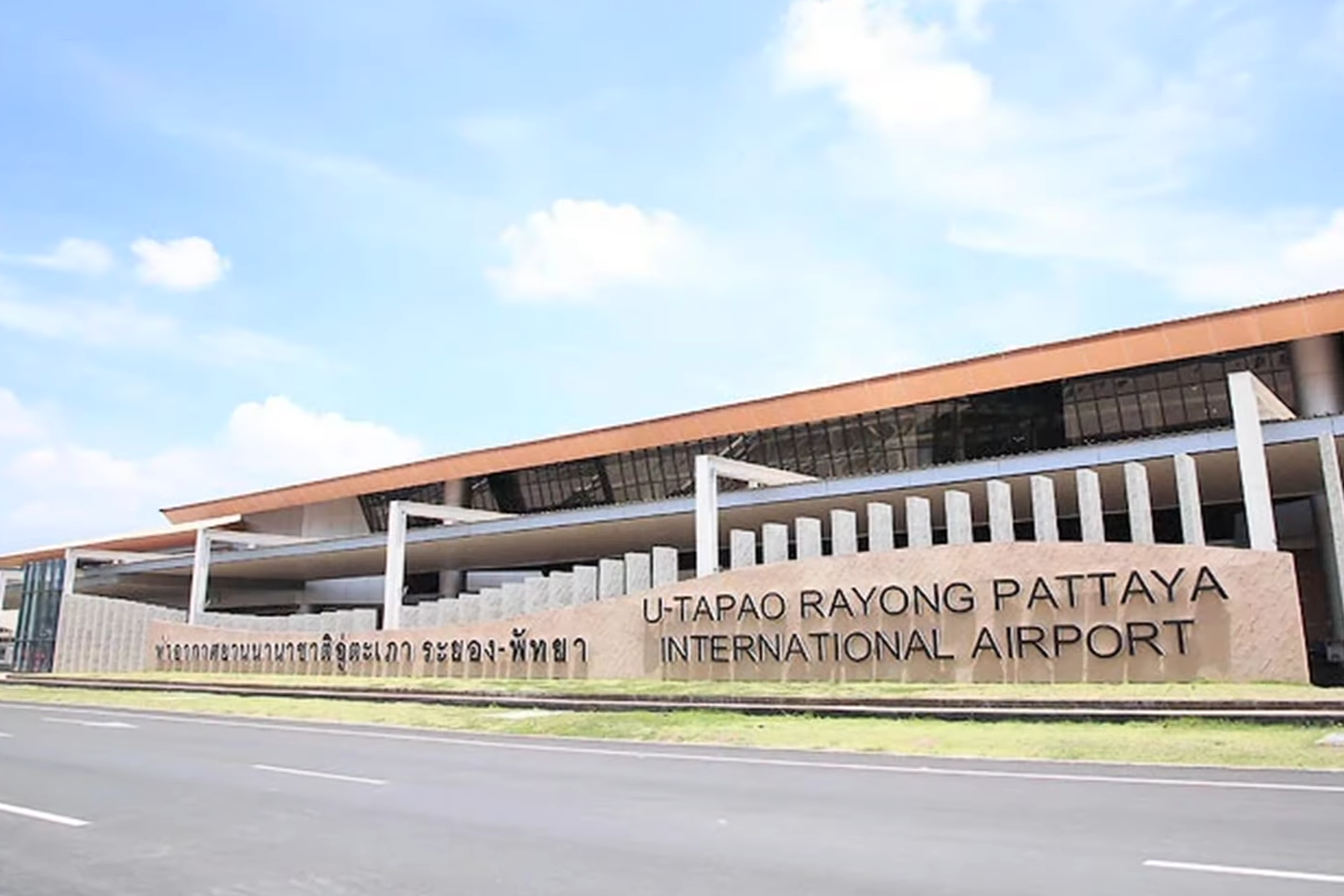
Thailand’s Eastern Economic Corridor (EEC) is moving forward with an ambitious tourism megaproject targeting up to US$22.6 billion in investment — notably excluding casinos from its development blueprint. The EEC, spanning key provinces such as Chonburi, Rayong and Chachoengsao, has long been positioned as Thailand’s flagship infrastructure and investment corridor, anchored by upgrades to U-Tapao Rayong-Pattaya International Airport and high-speed rail connectivity.
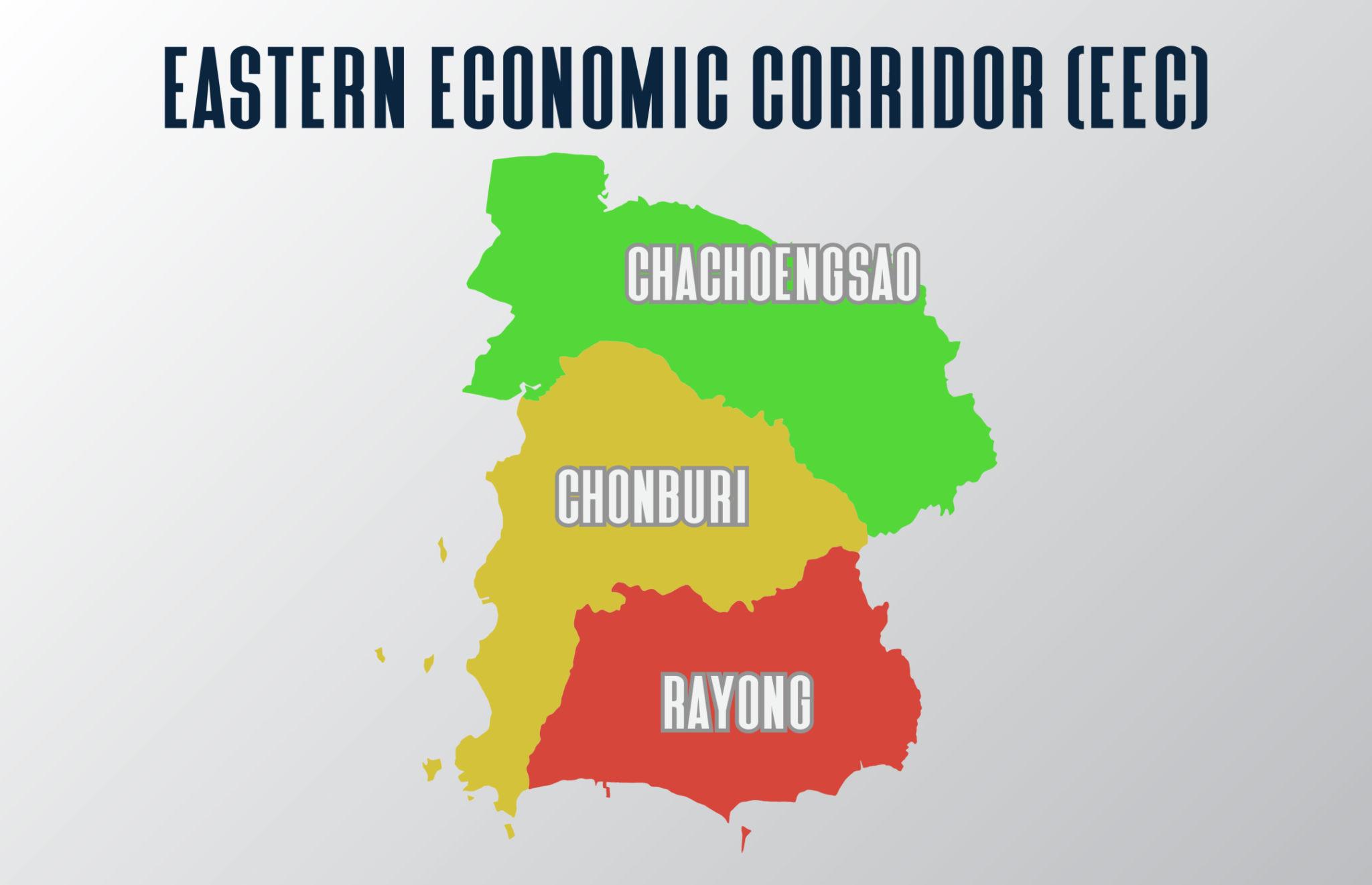
According to multiple regional industry reports, the new tourism-focused phase aims to attract large-scale integrated leisure developments, entertainment facilities, marinas, theme attractions and premium hospitality assets. However, despite Thailand’s ongoing national discussions around potential casino legalization, this particular EEC megaproject will proceed without gaming components. This distinction is significant as Thailand continues to evaluate separate legislative pathways for integrated resorts that may include casinos in other jurisdictions.
The decision to exclude casinos reflects a calibrated policy approach. While Bangkok has openly debated integrated resort legislation as a strategy to capture outbound Thai gaming spend and compete with regional hubs like Singapore and Macau, the EEC tourism push appears structured to first strengthen Thailand’s non-gaming appeal. Destinations such as Pattaya already possess strong tourism fundamentals; layering large-scale entertainment and lifestyle infrastructure enhances resilience without the political sensitivity associated with gaming licenses.
Strategically, this move suggests Thailand may be sequencing its development roadmap: build diversified tourism infrastructure first, then potentially introduce regulated gaming in a controlled framework later. For investors, the US$22.6 billion target underscores serious capital ambition. For the broader Asian IR landscape, it signals that Thailand remains a market to watch — even when casinos are temporarily off the table.