
 Content Writer: Janice Chew • Monday, 26/03/2026 - 18:58:29 - PM
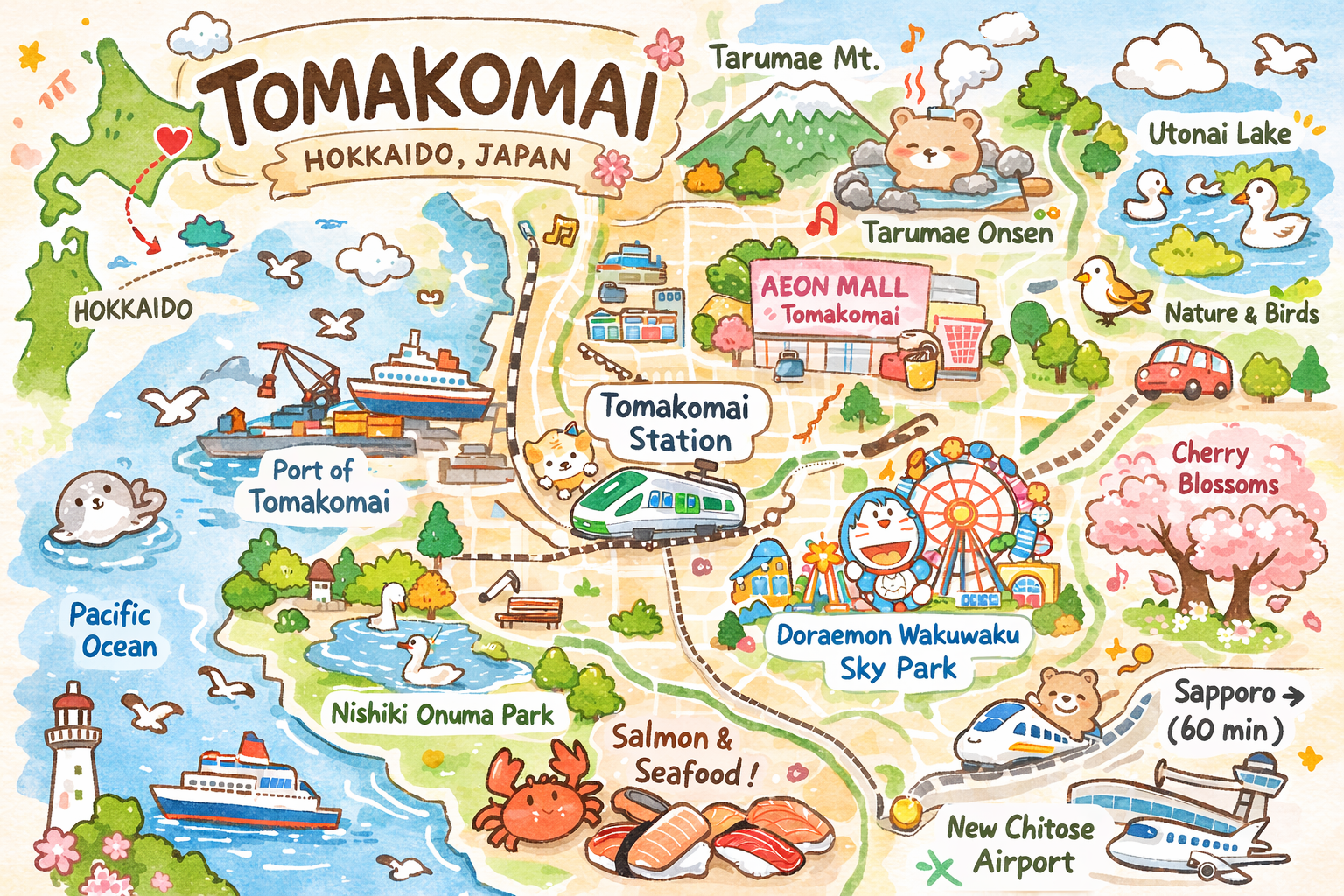
The city of Tomakomai in northern Hokkaido is taking steps to revive its ambitions to host a large-scale integrated resort (IR), seeking a professional advisor to help update its development concept ahead of a potential new national application round for casino resorts in Japan.
The move signals renewed interest among Japanese regional governments to participate in the country’s long-anticipated IR industry, which is expected to become one of Asia’s most significant future gaming markets.
Preparing for the Next IR Application Opportunity
Tomakomai is looking to appoint an advisor to refresh and refine its integrated resort concept, ensuring the proposal aligns with evolving regulatory requirements and tourism strategies.
The city had previously explored IR development opportunities but paused efforts as the national licensing process progressed slowly.
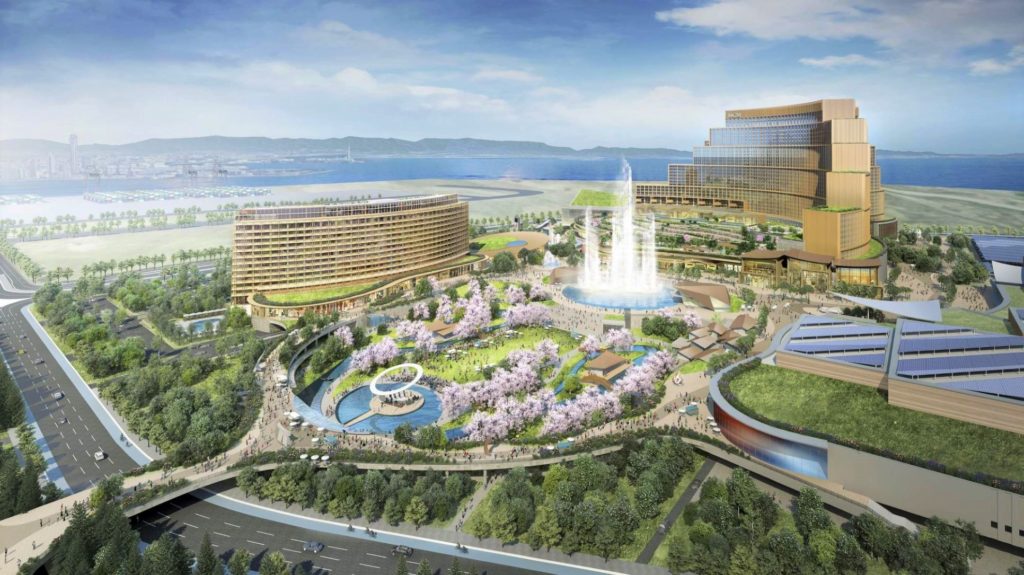
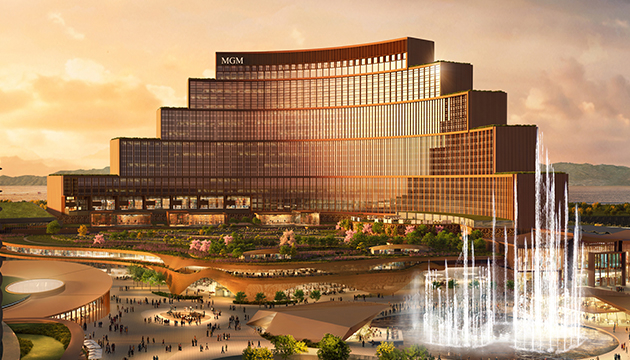
Now, with only one project currently approved in Japan—the MGM Osaka Integrated Resort—many observers believe additional licensing rounds could emerge in the coming years.
Updating the IR concept now allows Tomakomai to be strategically prepared when the next opportunity arises.
Why Tomakomai Remains a Strong IR Candidate
Tomakomai has long been considered a promising location for an integrated resort due to several strategic advantages:
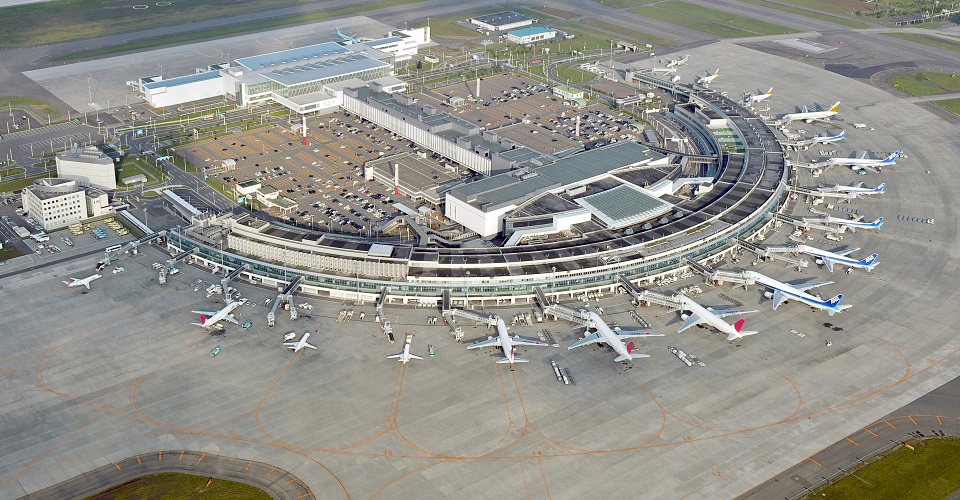
• proximity to New Chitose Airport, Hokkaido’s main international gateway
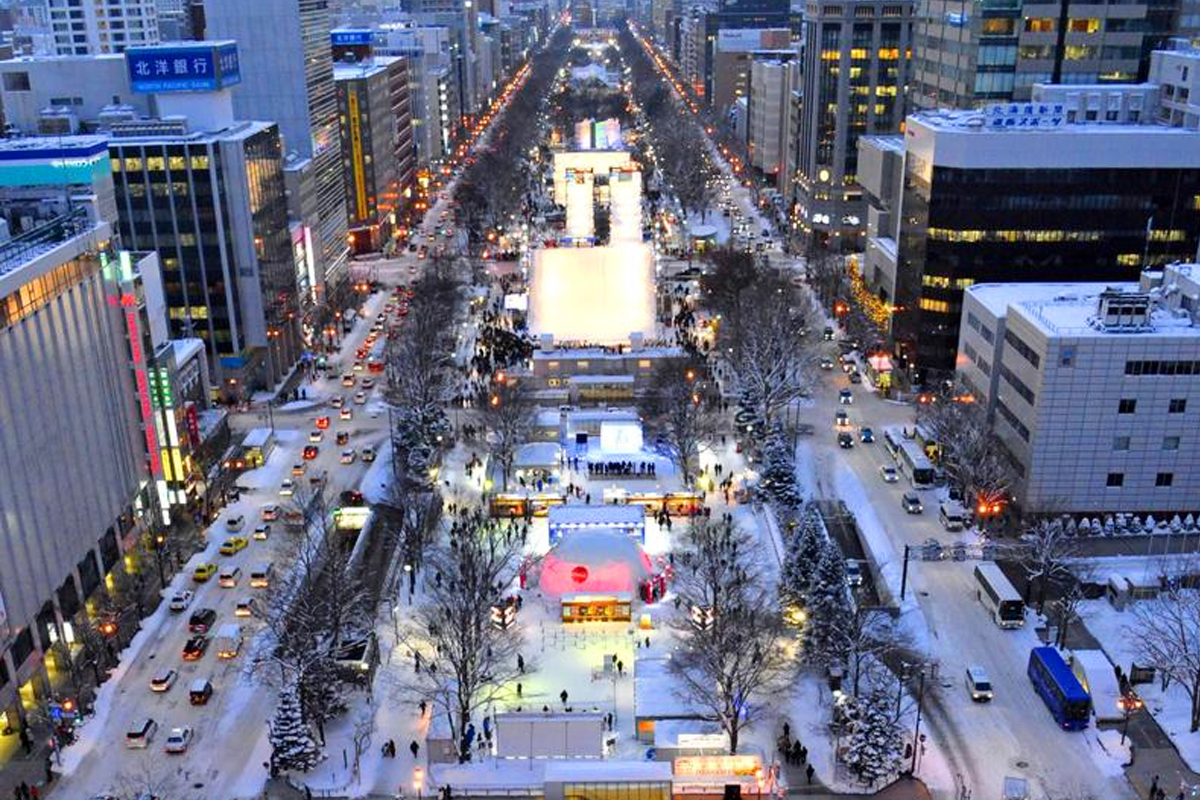
• access to Sapporo’s tourism and winter sports market
• strong regional infrastructure and port facilities
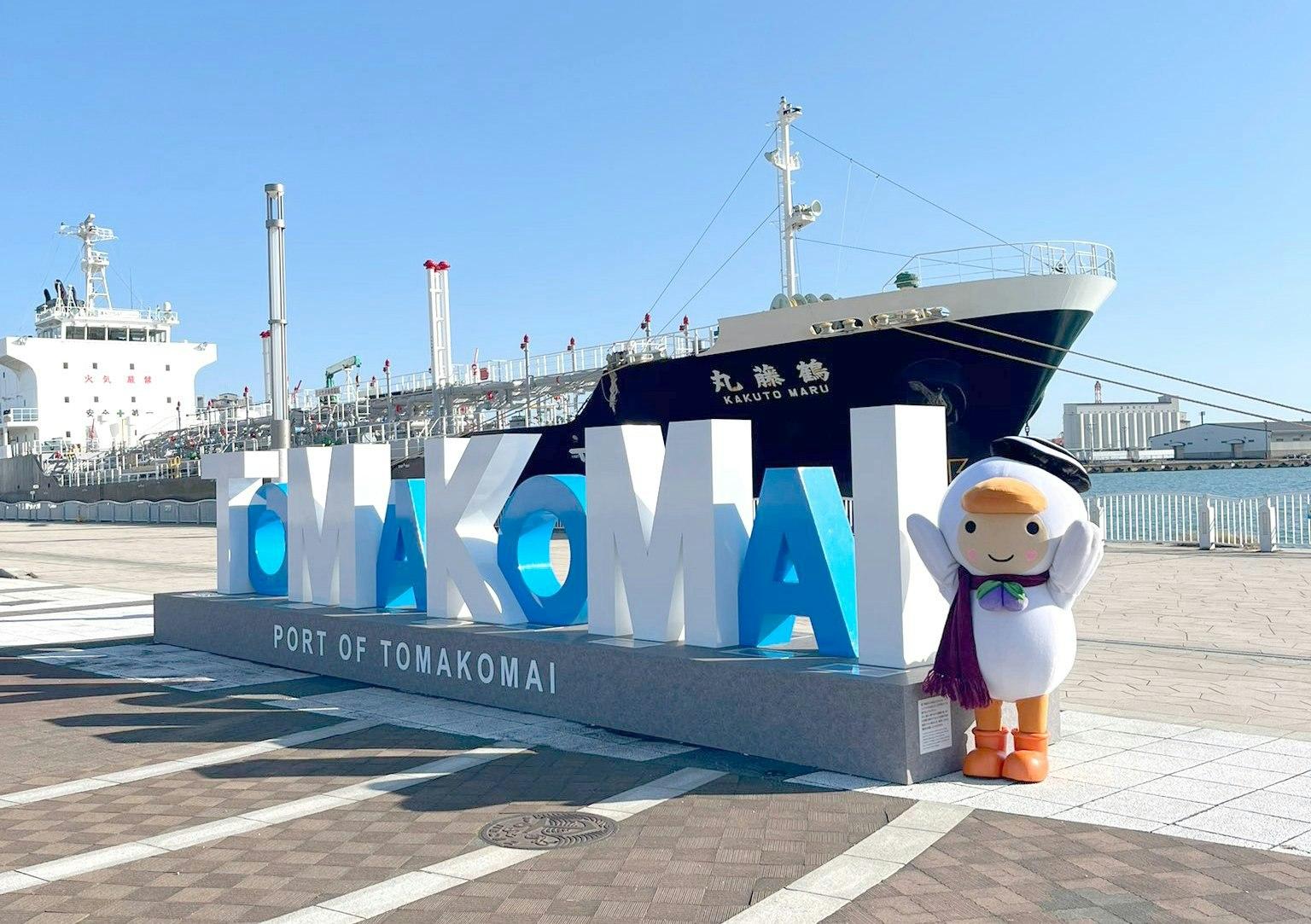
• large land availability suitable for resort-scale developments

These factors position Tomakomai as a potential tourism hub connecting international visitors with Hokkaido’s natural attractions.
The Wider Context of Japan’s IR Development
Japan legalized casino-integrated resorts in 2018 with the goal of developing large-scale tourism complexes combining gaming, hospitality, retail and entertainment.
However, progress has been slower than originally expected.
Currently, the only approved project is the MGM Osaka IR, a joint venture between:
-
MGM Resorts International
-
Orix Corporation
located in Osaka.
The project is expected to open in the early 2030s and could generate billions in annual tourism revenue.
Hokkaido’s Tourism Potential
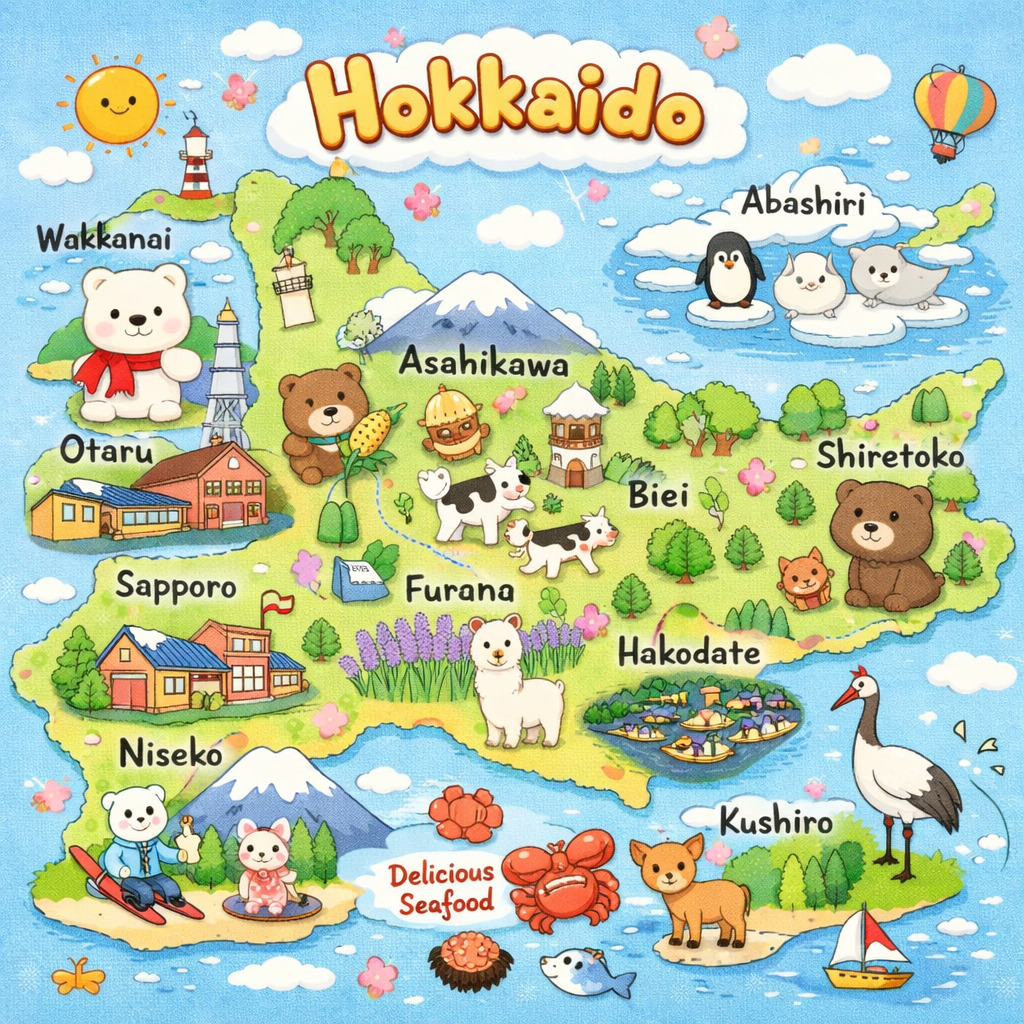
Hokkaido is already one of Japan’s most popular tourism regions, attracting millions of visitors annually for:
• winter sports and ski resorts
• nature tourism and national parks
• culinary tourism
• summer outdoor activities
An integrated resort in Tomakomai could complement these attractions by adding large-scale entertainment, conventions and hospitality infrastructure.
Such developments are often designed to attract both international tourists and domestic travelers.
Strategic Insight: Timing Matters in Japan’s IR Market
Tomakomai’s decision to update its IR concept reflects a key reality in the Japanese market.
While the first wave of licensing has been limited, industry observers expect future rounds of approvals once the Osaka project demonstrates success.
Cities that prepare their proposals early will be in a stronger position when the government opens the next application phase.
In other words, IR development in Japan is likely to be a long-term strategic competition among regions.
Potential Impact on Regional Tourism
If Tomakomai ultimately secures an IR license, the development could significantly transform Hokkaido’s tourism ecosystem.
Integrated resorts typically bring:
• large-scale hotel capacity
• international entertainment attractions
• convention and exhibition facilities
• significant foreign investment
These developments can create thousands of jobs while boosting tourism infrastructure.
Final Take
Tomakomai’s move to seek advisory support and update its integrated resort proposal signals renewed momentum for casino development in Japan beyond the Osaka project.
By preparing early for future licensing opportunities, the Hokkaido city is positioning itself as a serious contender in the next phase of Japan’s IR expansion.
For the global gaming industry, developments like this highlight how Japan’s integrated resort market remains one of the most anticipated long-term opportunities in Asia.