
 Content Writer: Janice Chew • Sunday, 25/12/2025 - 00:39:09 - AM
Casino operators in Vietnam, notably The Grand Ho Tram and Corona Casino, have strongly opposed a government proposal to significantly raise entry fees for local players—a move that would see monthly passes increase from VND 25 million (about US$950) to VND 50 million (around US$1,900) and one-day tickets rise by roughly 2.5 times to VND 2.5 million (about US$95). This draft regulation, put forward by the Ministry of Finance, is part of broader revisions to the country’s casino framework that aim to simplify financial-capacity requirements while steering players toward economic thresholds seen as safer for gambling participation.
Both casino operators urged authorities to consider alternatives to the steep hike. The Grand Ho Tram Project Company recommended retaining the current VND 25 million monthly rate and instead offering an annual pass at VND 50 million, effectively reducing the cost to about VND 4.2 million per month (roughly US$160)—a structure the operator argues would be closer to international markets such as Singapore, where annual and daily fees are currently lower. Similarly, Corona Casino proposed more modest fee adjustments, suggesting a VND 1.5 million (around US$57) one-day ticket and a VND 35 million (approximately US$1,330) monthly pass—both significantly below the government’s draft figures.
However, these industry proposals were dismissed by the Ministry of Finance, which maintains that higher entry fees are necessary to help ensure that individuals who gamble have adequate financial means, rather than being incentivised by more accessible pricing. The ministry’s stance aligns with its effort to streamline regulatory requirements by using fee levels as a proxy for financial capability, replacing more burdensome document-based assessments, though this approach has drawn criticism for its bluntness.
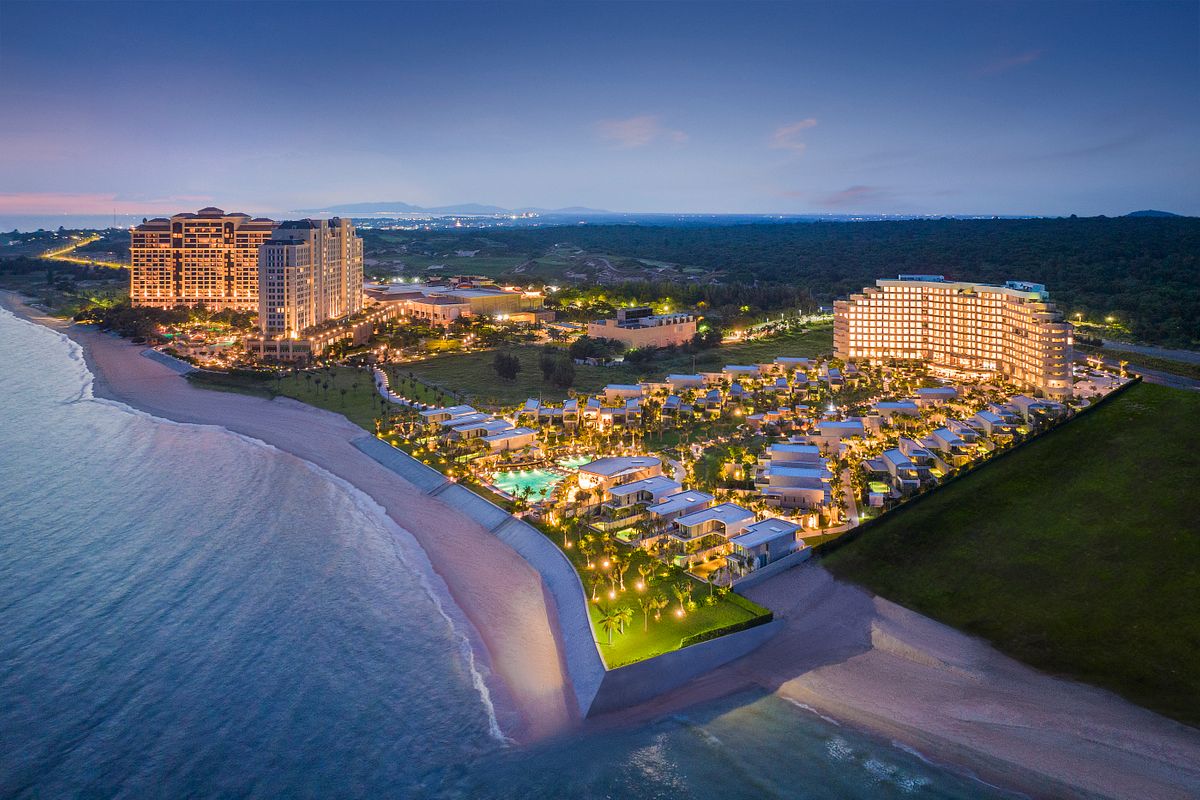
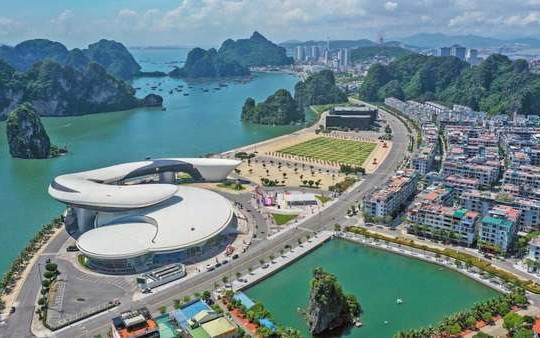
Vietnam currently allows local citizens entry into only a few casinos—Corona Casino in Phu Quoc, The Grand Ho Tram, and Van Don Casino in Quang Ninh Province—while other licensed venues remain accessible only to foreigners. Operators argue that overly high fees could further depress local visitation, which has already fallen since the pandemic, particularly at Corona where locals once made up about 52 percent of customers but recently accounted for just 12 percent of visitors.

The fee debate unfolds amid broader adjustments to Vietnam’s casino rules, where authorities seek to modernise the legal framework governing local entry, simplify financial proof requirements, and balance economic growth with social safeguards. The outcome of this consultation process will be closely watched by investors and industry stakeholders as the country continues to navigate its cautious expansion of local gaming participation.