
 Content Writer: Janice Chew • Monday, 26/04/2026 - 18:25:41 - PM
Vietnam’s multi-billion-dollar integrated casino resorts are facing a harsh reality: strong revenue growth, but persistent losses.
Despite a surge in domestic participation under the country’s pilot scheme allowing locals to gamble, large-scale casino developments continue to struggle with profitability—raising questions about the sustainability of the current model.
Strong Revenue, Weak Bottom Line
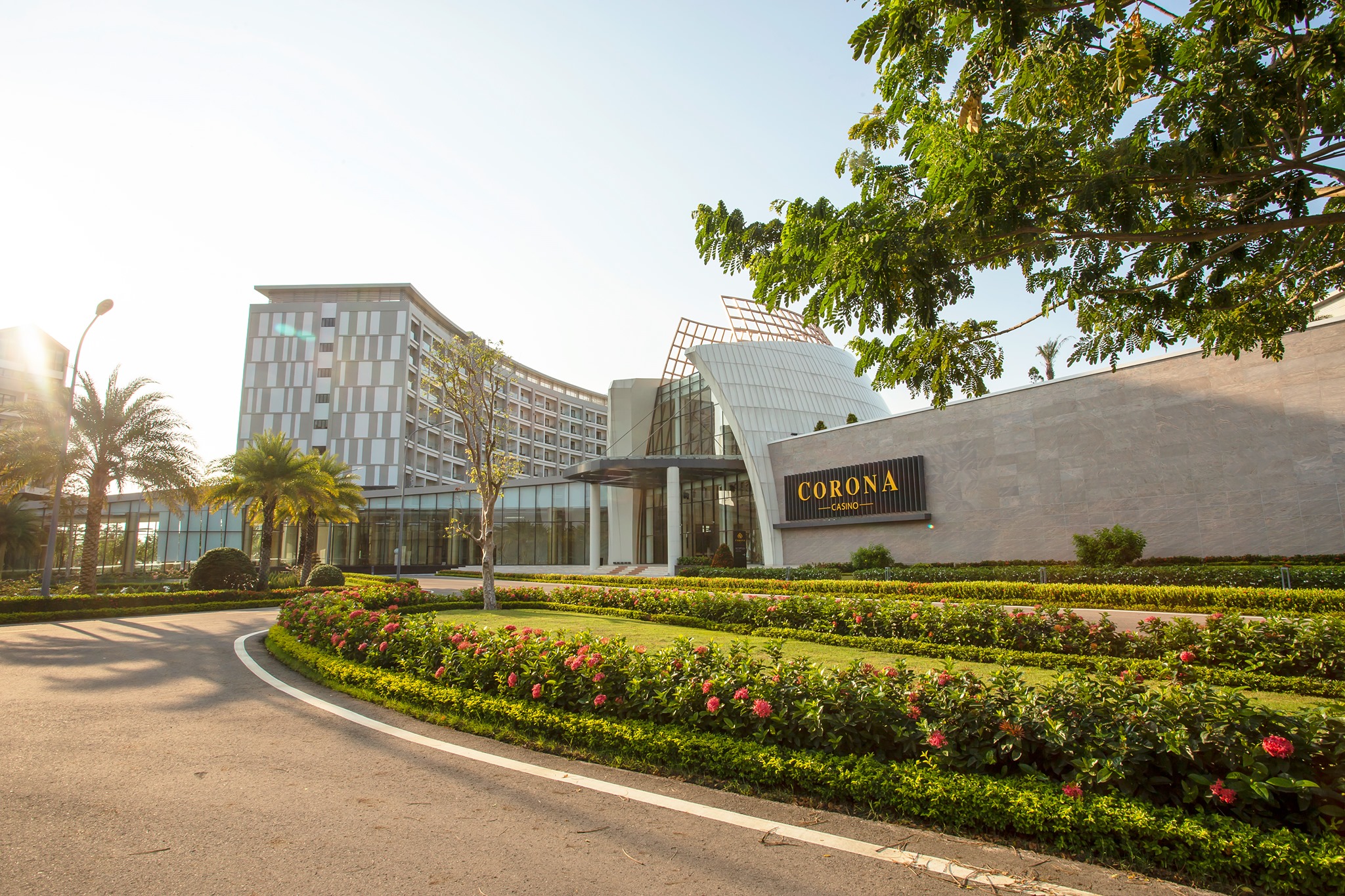
Financial disclosures from Corona Resort & Casino reveal accumulated losses exceeding VND5.8 trillion (US$220 million) by the end of 2025—widening by over VND900 billion year-on-year.
The core issue isn’t demand—it’s structure:
- High upfront capital expenditure
- Heavy depreciation costs
- Long payback cycles typical of integrated resorts
Even with rising revenues, profitability remains out of reach.
Locals Are Driving the Market
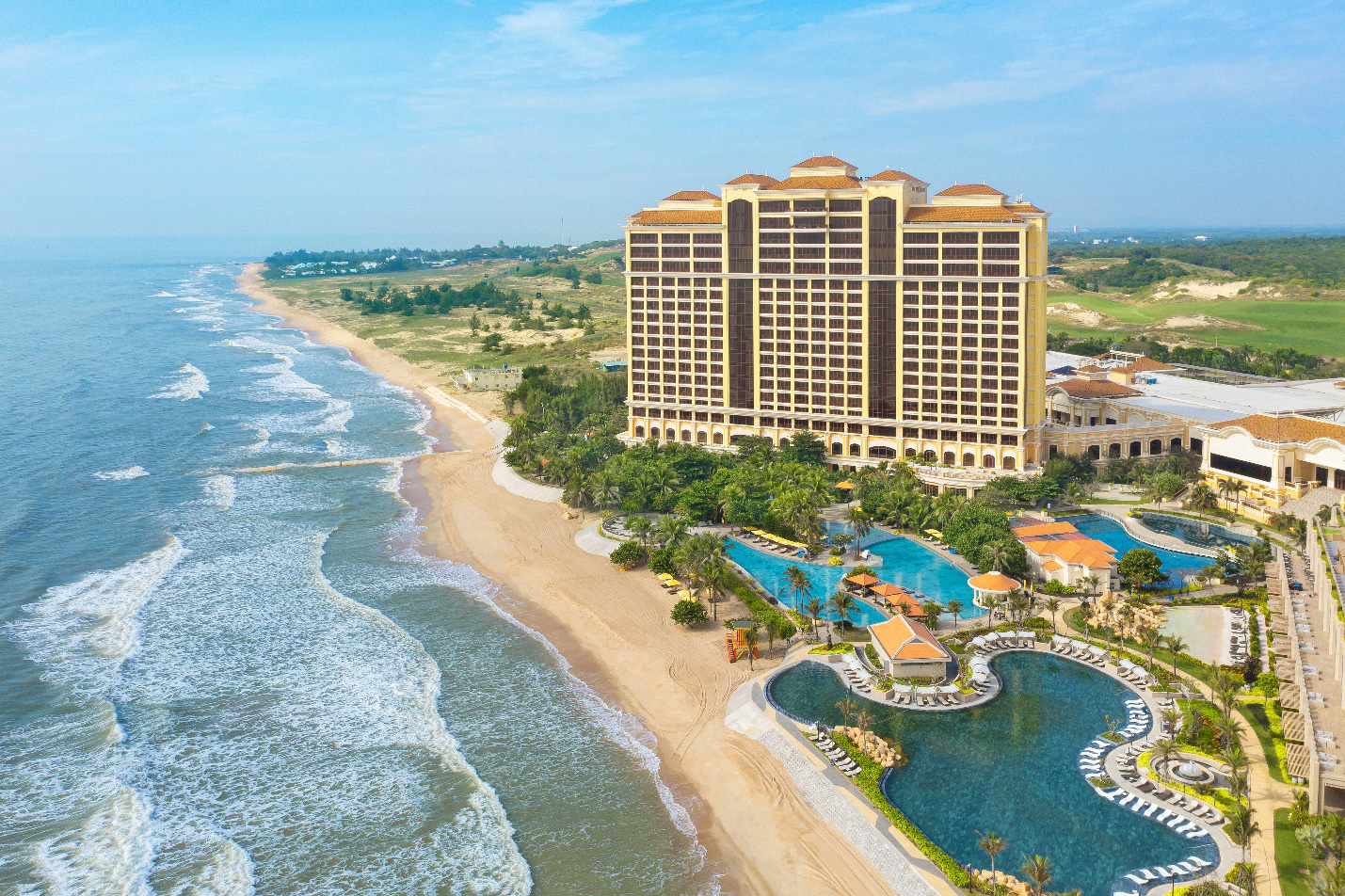
Vietnam’s pilot scheme—initially launched at Phu Quoc and later extended to the Grand Ho Tram—has reshaped the revenue mix.
Government data shows:
- Locals made up ~52% of total players (2019–2024)
- But contributed ~88% of total casino revenue
This is a critical insight:
Domestic players are not just participating—they are the primary revenue engine.
Yet even with this strong contribution, resorts remain loss-making.
Tourism Is Growing — But Not Enough
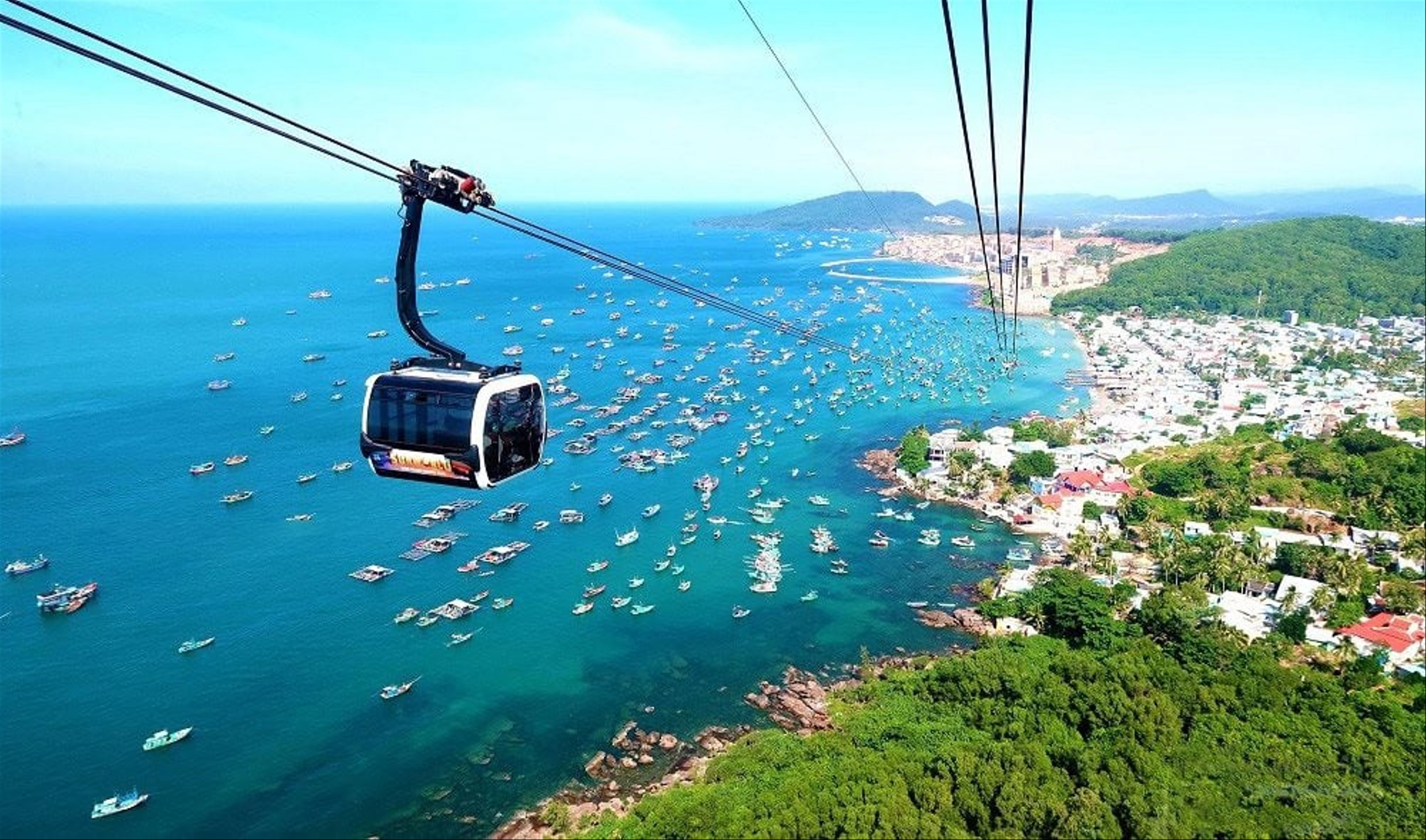
Projects in destinations like Phu Quoc continue to attract strong visitor flows:
- 1.8 million visitors in Q1 alone (+25% YoY)
- High uptake of integrated “all-in-one” resort experiences
This reinforces the role of casinos as part of Vietnam’s broader tourism strategy:
- Hotels
- Retail
- Entertainment
- Convention business
However, strong visitation ≠ profitability.
The Structural Gap
Here’s the real issue:
Vietnam has successfully built:
- World-class integrated resorts
- Growing domestic demand
- Strong tourism momentum
But it is still constrained by:
- Limited market access (pilot scheme restrictions)
- Delayed project pipeline (e.g. Van Don not yet operational)
- Long investment recovery cycles
The result is a classic mismatch:
Revenue growth without financial sustainability
Why Investors Are Feeling the Pressure
Even established projects like Grand Ho Tram have reported persistent losses, prompting investors to seek deadline extensions (now pushed to 2027).
This signals:
- Longer-than-expected breakeven timelines
- Increased capital pressure
- Higher execution risk for future developments
What Happens Next?
Vietnam now faces a strategic decision:
- Option 1: Maintain strict controls → slower, safer growth but prolonged losses
- Option 2: Gradually liberalize access → unlock profitability but increase social risk
The phased expansion of the pilot scheme suggests a measured path forward—but timing will be critical.
Bottom Line
Vietnam’s casino sector is not failing—it’s transitioning.
The current model proves that:
- Demand exists
- Tourism is strong
- Revenue is real
But until policy, scale, and capital structure align:
Profitability will remain the missing piece.