 Content Writer: Janice Chew • Saturday, 26/01/2026 - 11:41:10 - AM
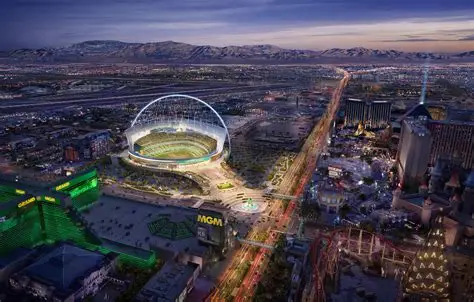
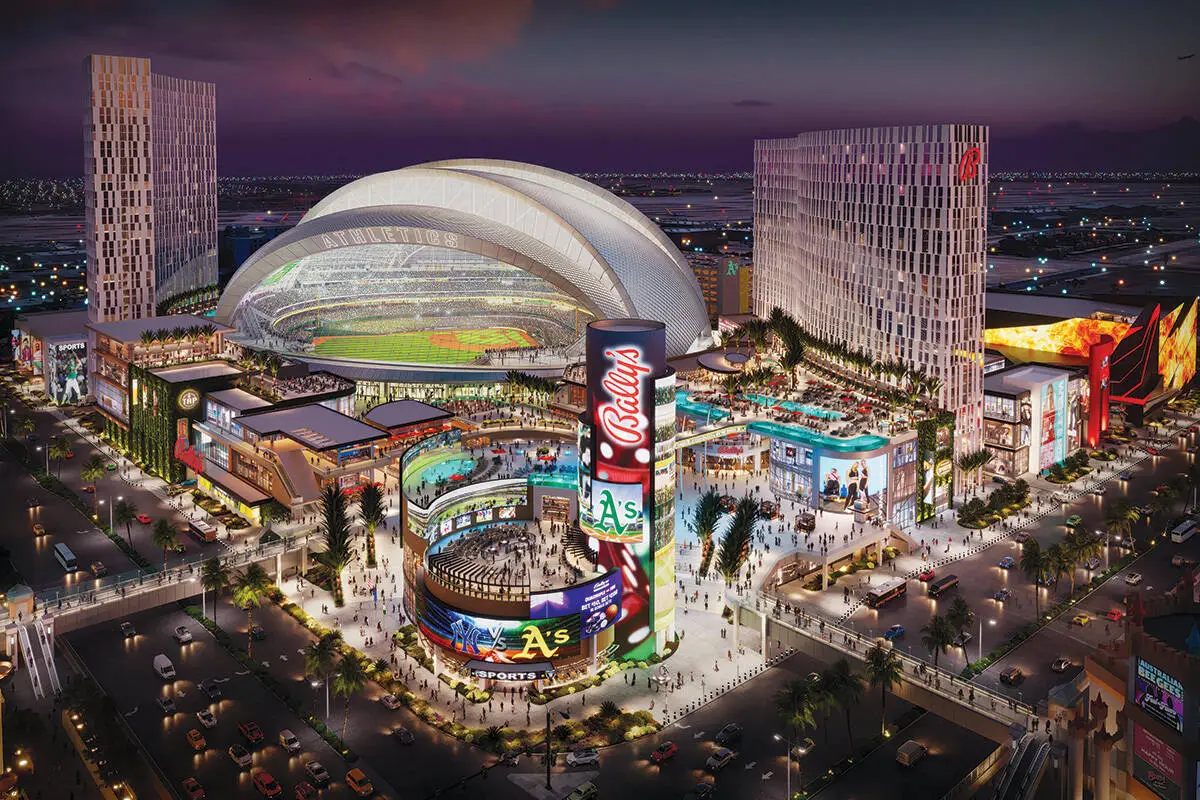
Bally's Corporation has outlined plans for a major new Las Vegas Strip–adjacent development with an estimated total cost of US$1.19 billion, positioning the project as a mixed-use destination closely linked to the future Major League Baseball ballpark planned for the former Tropicana site.The development will include a Bally’s-branded casino hotel designed to integrate with the stadium precinct and capture year-round foot traffic generated by sporting events, concerts, and large-scale entertainment.
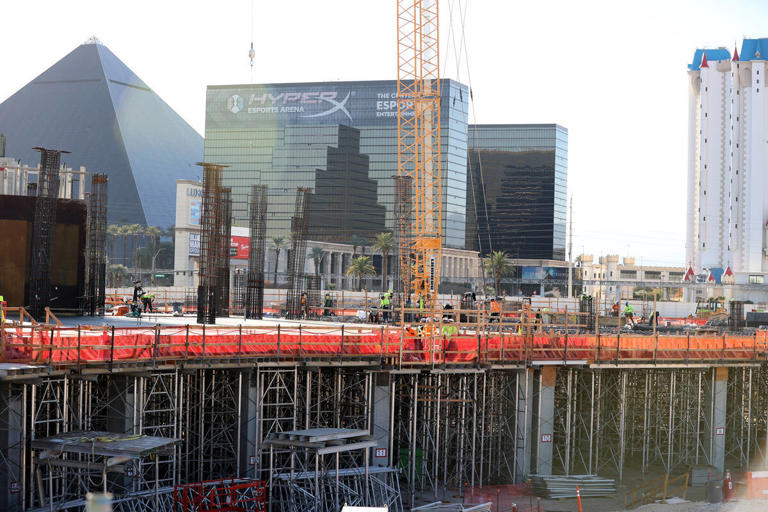
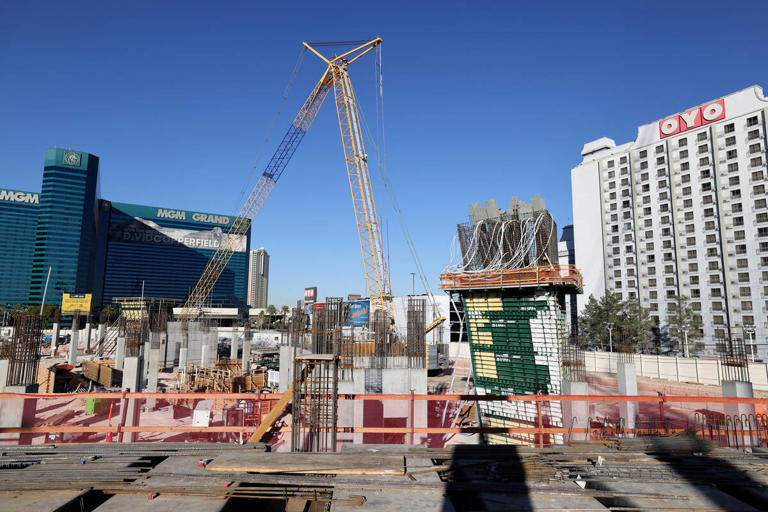
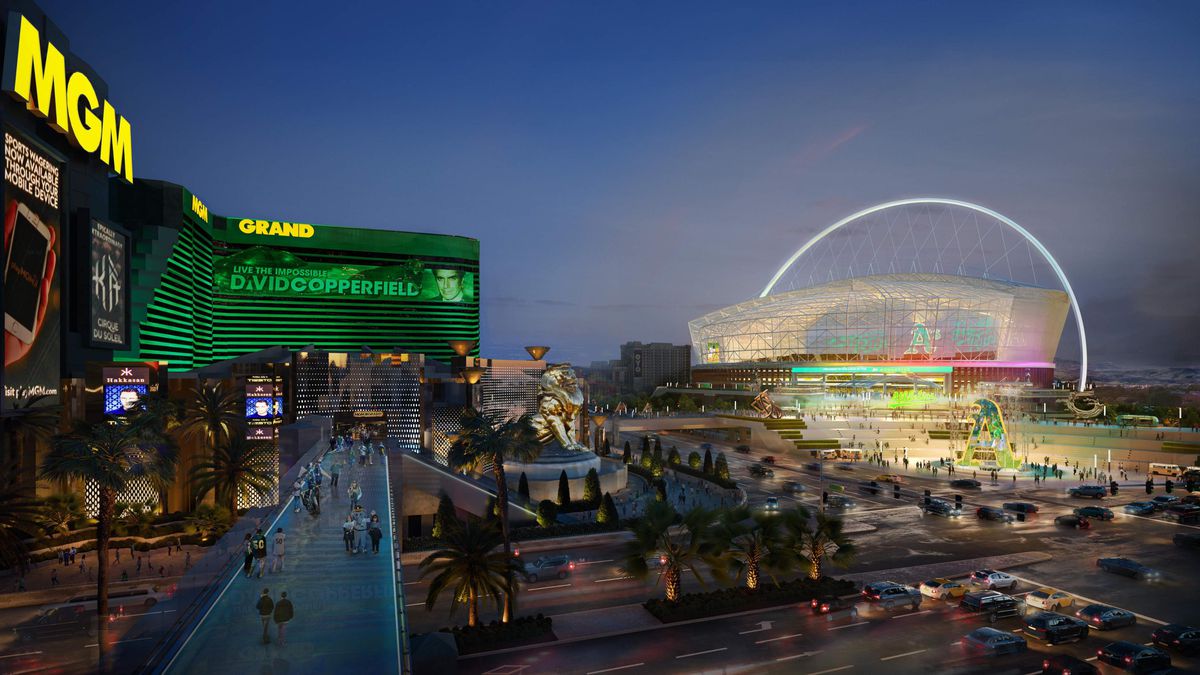
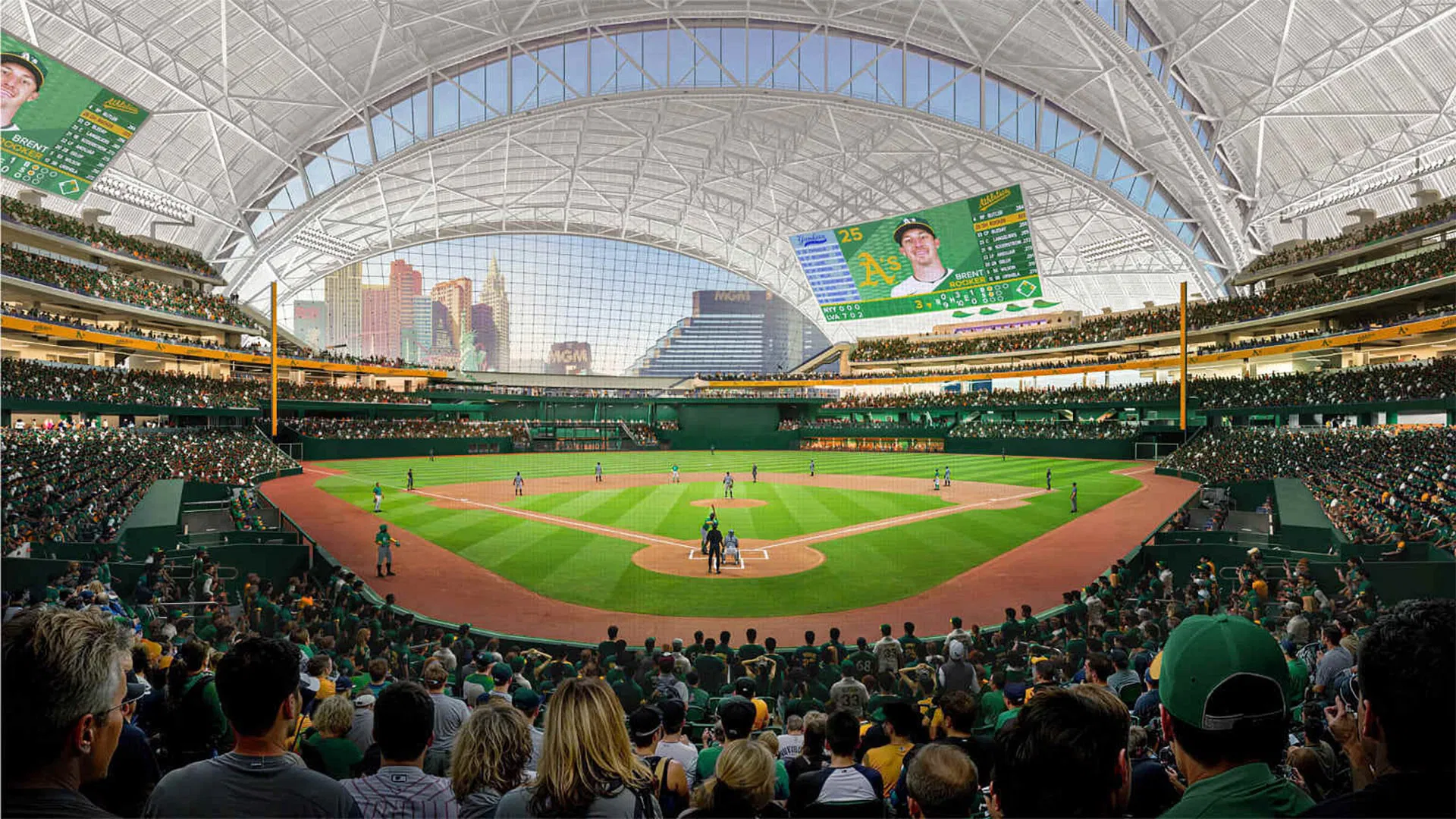
The proposed project is expected to feature a hotel tower, gaming floor, food and beverage outlets, and entertainment spaces, creating a complementary hospitality offering alongside the planned ballpark for the Oakland Athletics, which is targeting relocation to Las Vegas. Industry analysts note that the integration of sports infrastructure with casino and resort developments reflects a broader shift in Las Vegas toward diversified, non-gaming-led visitation, particularly as live sports continue to emerge as a powerful tourism driver.
Funding for the development is expected to be a mix of equity, debt, and partnership contributions, with Bally’s emphasising disciplined capital allocation amid rising construction and financing costs across the US. Comparable Strip-area projects in recent years have faced cost escalations due to labour shortages, materials inflation, and higher interest rates, making financial structuring and phasing increasingly critical for large-scale developments.
From a strategic standpoint, observers suggest the project would strengthen Bally’s footprint in Las Vegas while aligning the brand with the city’s growing sports and entertainment ecosystem. Las Vegas has already secured major professional sports franchises and events, and the addition of a purpose-built MLB ballpark—anchored by surrounding hospitality infrastructure—could further cement its position as a global sports-tourism hub. Analysts also point out that proximity-based developments tied to stadium traffic can generate more stable, recurring visitation beyond traditional weekend gaming peaks.
If delivered as planned, the Bally’s project would underscore how casino operators are rethinking long-term growth by blending gaming, sports, and lifestyle components into integrated districts rather than standalone resorts. As regulatory approvals, financing conditions, and construction timelines continue to evolve, the development will be closely watched as a test case for next-generation Las Vegas resort planning.