
 Content Writer: Janice Chew • Thursday, 26/02/2026 - 22:46:55 - PM
Japan’s Integrated Resort (IR) race is quietly entering a new phase — and Aichi Prefecture may be positioning itself for a serious second-wave play.
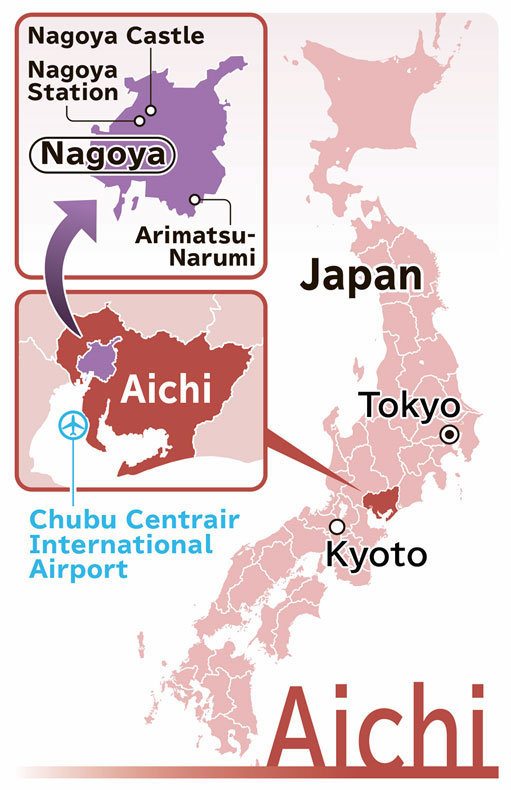
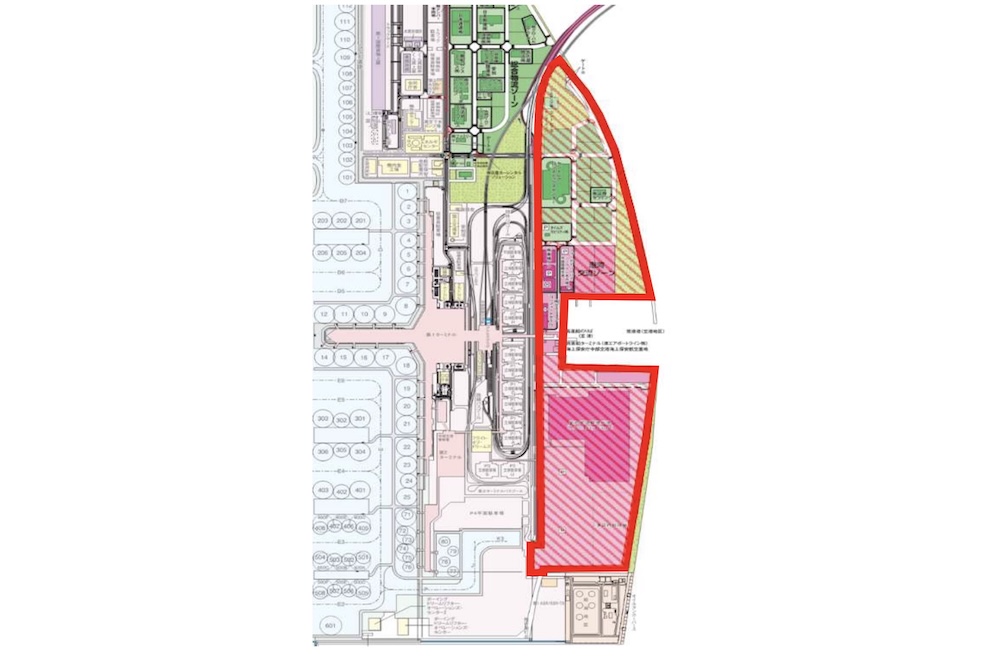
According to recent reports, Aichi has proposed a 35-year project term for its planned IR development adjacent to Chubu Centrair International Airport. While this might sound procedural, the duration itself signals something much deeper: Japan’s IR ambitions are shifting from short-term spectacle to long-term infrastructure strategy.
1️⃣ Why 35 Years Matters More Than It Sounds
A 35-year concession period is not arbitrary.
From a capital markets perspective, IR projects typically require:
-
High upfront CapEx (often USD 5–10 billion)
-
Long payback periods (10–15 years)
-
Complex regulatory and compliance frameworks
-
Multi-cycle tourism volatility (pandemics, macro shocks, geopolitical risk)
By proposing a 35-year term, Aichi is effectively saying:
“We understand IR is a generational infrastructure asset — not a quick revenue play.”
Strategic Implication:
This longer term:
-
Improves bankability
-
Enhances IRR predictability
-
Attracts global operators who demand lifecycle certainty
This is particularly relevant after Japan’s first approved IR in Osaka.
2️⃣ Osaka vs Aichi: Complement or Competition?
Japan has already approved the Osaka IR, led by:
-
MGM Resorts International
-
Orix Corporation
Osaka’s IR is positioned as a national flagship — urban, tourism-driven, and expo-aligned.
Aichi, however, offers something structurally different.
📍 Location Advantage: Airport-Integrated IR
Being adjacent to:
-
Chubu Centrair International Airport
creates a fundamentally different value proposition:
| Osaka IR | Aichi IR |
|---|---|
| City-based | Airport-adjacent |
| Leisure destination | Transit + business hybrid |
| Expo-driven boost | Industrial region anchor |
3️⃣ The Hidden Strength: Aichi’s Industrial Economy
Unlike Osaka, Aichi is Japan’s manufacturing powerhouse — home to:
-
Toyota Motor Corporation
This matters.
Aichi’s IR wouldn’t rely purely on inbound tourists. It could tap into:
-
Corporate hospitality
-
MICE demand
-
Automotive & tech trade events
-
Business travel inflows
Unique Angle:
An airport-adjacent IR in Aichi could evolve into a corporate entertainment & convention gateway — not just a casino-led leisure resort.
This reduces revenue volatility compared to purely tourism-driven IR models.
4️⃣ Japan’s IR Evolution: From Caution to Calibration
Japan’s IR rollout has been slow and conservative.
After:
-
Nagasaki and Osaka approvals,
-
Yokohama’s withdrawal,
-
Political headwinds and inflation concerns,
Prefectures are now refining proposals rather than rushing.
A 35-year term reflects:
-
Policy maturity
-
Investor feedback incorporation
-
Lessons from global IR models (Singapore, Macau, Las Vegas)
Japan is no longer experimenting — it’s calibrating.
5️⃣ Airport IR: A Regional Trend?
Globally, airport-adjacent entertainment districts are growing:
-
Incheon’s Inspire Resort (Korea)
-
Manila’s Entertainment City proximity to NAIA
Aichi may be reading the regional playbook.
Airport IRs provide:
-
Immediate accessibility
-
Short-stay high-value travelers
-
Efficient VIP movement
-
Strong retail integration
For operators, this lowers marketing acquisition cost compared to greenfield urban developments.
6️⃣ What This Means for Asia’s IR Landscape
If Aichi proceeds, Japan could move toward:
-
A dual-IR model (Osaka flagship + Aichi business hybrid)
-
Geographic diversification within Japan
-
Stronger competition for Korean and Philippine IR markets
For operators not involved in Osaka, Aichi may represent:
-
A second entry window
-
A lower political-risk pathway
-
A more commercially structured concession model
7️⃣ Risks Still Remain
Despite structural improvements:
-
Japan’s gaming regulations remain strict
-
Entry levies and local participation rules could impact mass volume
-
Financing costs remain elevated globally
-
Public sentiment toward casinos is still sensitive
But the longer concession term helps cushion these risks.
8️⃣ Strategic Outlook: Is Aichi the “Smart Money” Play?
Osaka is prestige.
Aichi could be profitability.
By anchoring next to Chubu Centrair, leveraging Toyota’s ecosystem, and offering 35-year certainty, Aichi is presenting itself as a capital-efficient, infrastructure-backed IR proposition rather than a tourism gamble.
If structured correctly, this could:
-
Attract disciplined operators
-
Appeal to institutional investors
-
Reduce reliance on junket-style VIP models
-
Emphasize non-gaming revenue mix
Final Thought
Japan’s IR story isn’t about how many casinos it builds.
It’s about how intelligently they’re structured.
Aichi’s 35-year framework signals a shift toward long-horizon thinking — and in capital-intensive industries like integrated resorts, patience often beats speed.
The next question isn’t whether Aichi builds an IR.
It’s whether global operators see this as Japan’s most commercially balanced opportunity.