

 Content Writer: Janice Chew • Saturday, 26/03/2026 - 01:13:51 - AM
Bloomberry Resorts Corporation has reported a net loss of approximately US$44 million for FY2025, reflecting softer performance in the premium gaming segment and increased investment in its expanding online gaming operations.
While the headline loss may appear concerning, the broader picture shows a company actively repositioning its business model to adapt to shifting dynamics in the Asian gaming industry.
Premium Gaming Segment Faces Headwinds
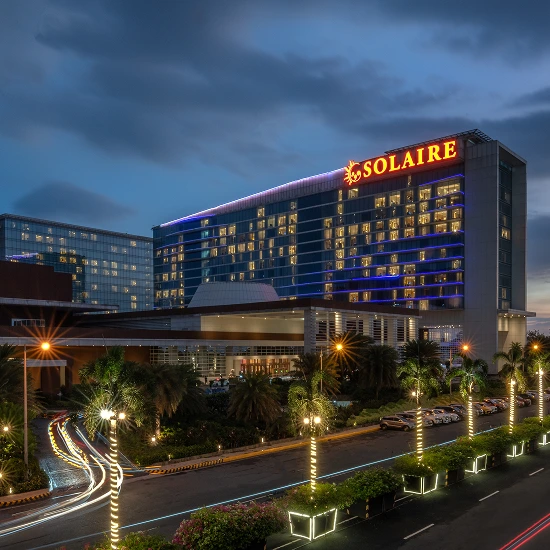
One of the main factors behind Bloomberry’s FY2025 loss was weaker performance in the premium gaming segment at its flagship integrated resort, Solaire Resort Entertainment City.
Across Asia, premium gaming — often driven by high-value international players — has become more volatile due to:
• Changes in VIP gaming travel patterns
• Stricter regulations across regional markets
• Increasing competition from emerging casino destinations
While the Philippines remains a strong gaming market, the premium segment has faced pressure as operators recalibrate their strategies.
Investment in Online Gaming Adds Short-Term Costs
Bloomberry has also been accelerating investment in digital gaming platforms, a move that has contributed to rising operating expenses.
The online segment requires substantial investment in:
• Technology infrastructure
• Regulatory compliance
• Customer acquisition and marketing
• Platform development
Although these investments can depress short-term profitability, they are widely seen as necessary for long-term competitiveness in a market increasingly shaped by hybrid land-based and digital gaming ecosystems.
Strength of Entertainment City Remains a Key Asset
Bloomberry’s core asset remains Solaire Resort Entertainment City, one of the flagship properties in Manila’s Entertainment City district.
The resort continues to attract both domestic and international visitors with its combination of:
• Casino gaming
• Luxury hospitality
• Retail and dining experiences
• Entertainment and events
Entertainment City has emerged as one of Asia’s fastest-growing gaming clusters, alongside destinations such as Macau and Singapore.
Expansion Strategy Continues
Bloomberry has also been expanding its physical footprint through projects such as:
-
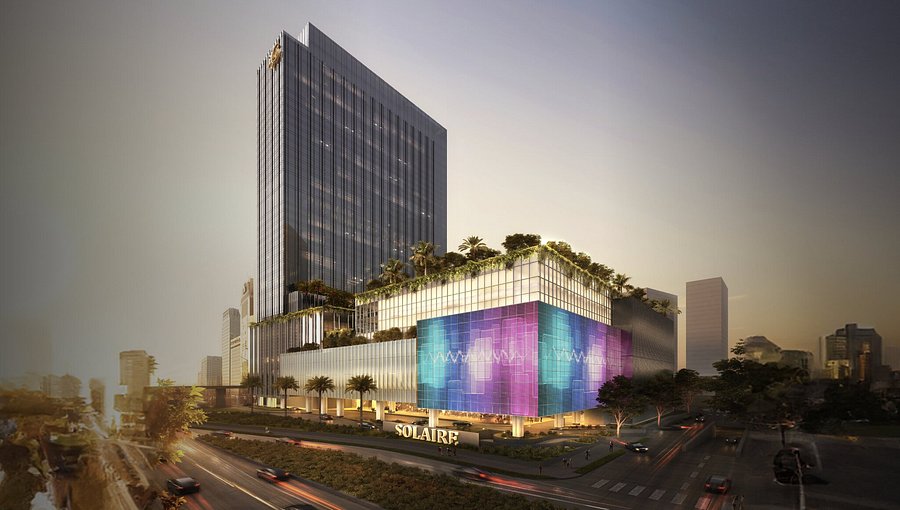
Solaire Resort North
This property represents the company’s effort to tap into Metro Manila’s domestic market, complementing the tourism-focused Entertainment City resort.
The dual-resort strategy aims to balance international VIP gaming with local mass-market demand.
Industry Context: Gaming Operators Diversifying Revenue
Bloomberry’s financial results reflect a broader industry trend.
Across Asia’s casino sector, operators are:
• Expanding digital gaming platforms
• Investing more heavily in non-gaming attractions
• Reducing reliance on traditional VIP gaming revenue
The pandemic accelerated these shifts, pushing operators to diversify their revenue sources and build more resilient business models.
Strategic Outlook
Despite the FY2025 loss, Bloomberry’s long-term prospects remain closely tied to several positive factors:
Tourism Recovery
International travel to the Philippines continues to improve.
Domestic Market Growth
The country’s large and growing middle class provides strong demand for entertainment and leisure spending.
Digital Gaming Opportunities
Online platforms could become a significant growth driver if successfully scaled.
Final Take
Bloomberry’s US$44 million FY2025 loss highlights the financial pressures of industry transformation rather than a structural decline.
With continued investment in both integrated resorts and digital platforms, the company appears focused on positioning itself for the next phase of growth in the Philippines gaming sector.
As Asia’s gaming industry evolves, operators that successfully balance premium gaming, mass tourism and digital entertainment are likely to emerge as the strongest long-term players.