
 Content Writer: Janice Chew • Tuesday, 26/08/2026 - 00:55:34 - AM
City of Dreams Sri Lanka has delivered an early operational milestone, generating LKR388.72 million—approximately US$1.16 million—in EBITDA for John Keells Holdings during the three months ended 30 June 2026.
The result represents a significant turnaround from the LKR999.73 million EBITDA loss recorded in the corresponding period a year earlier, when only the Cinnamon Life hotel was operating and the wider integrated resort had not yet officially opened.

All Major Resort Components Are Now Contributing
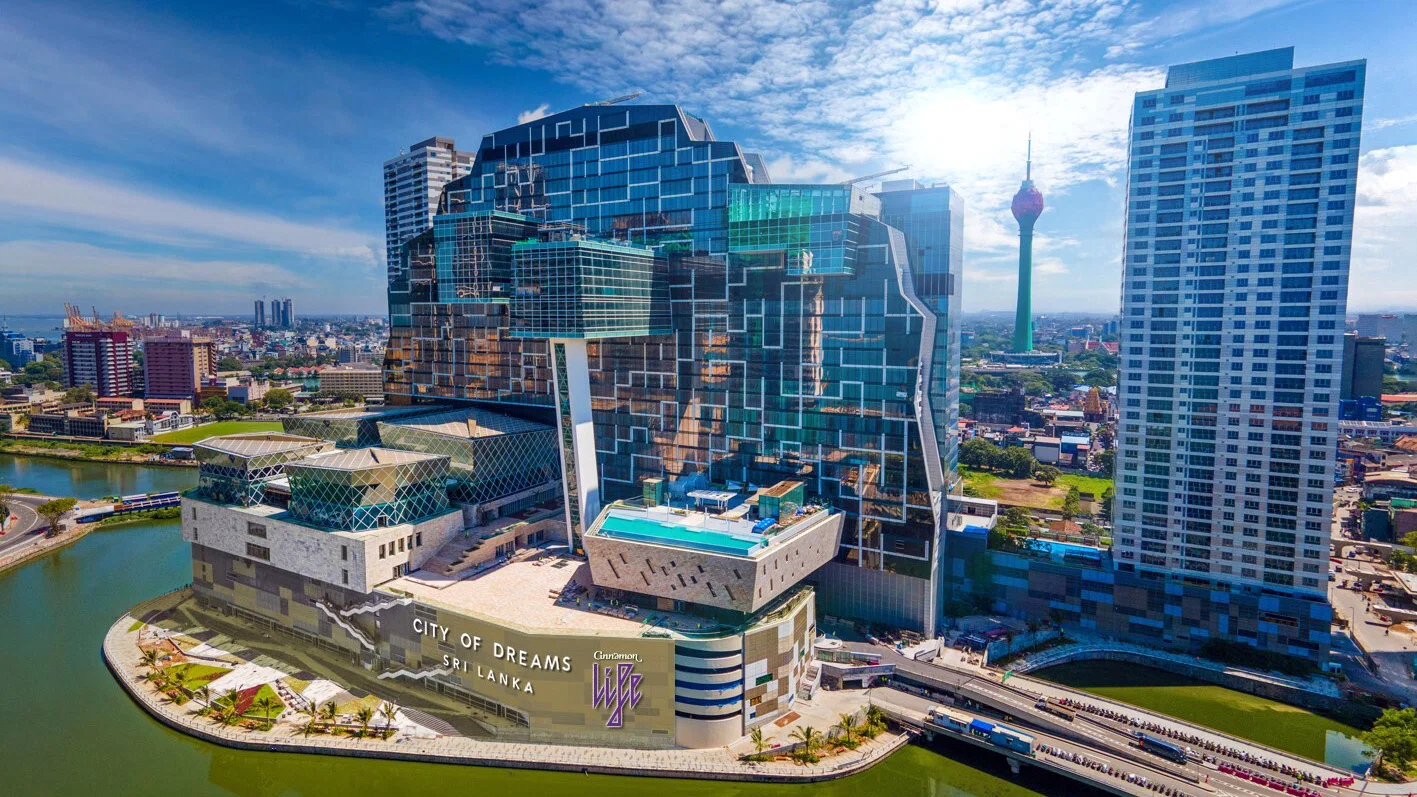
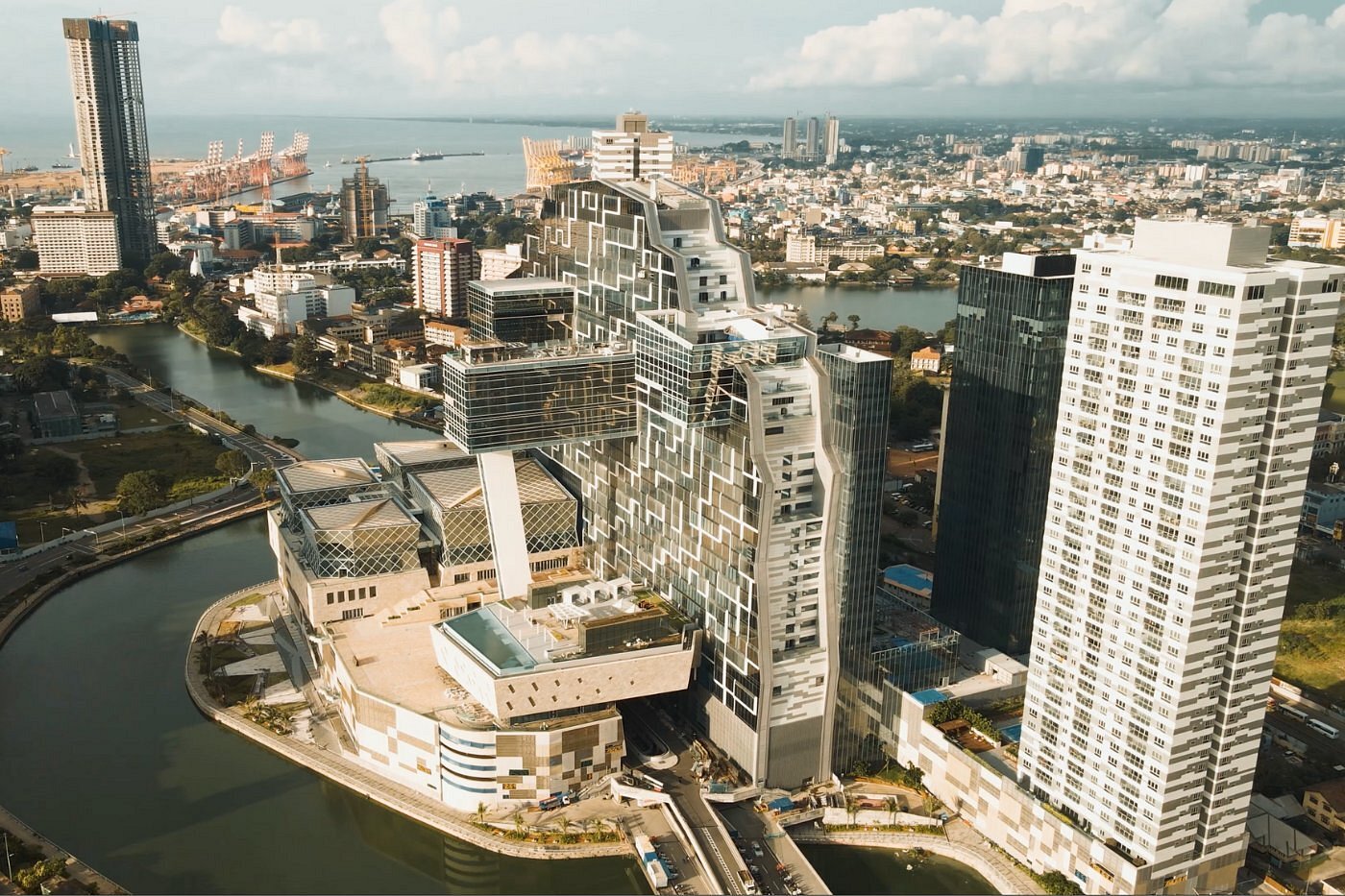
City of Dreams Sri Lanka officially opened as a complete integrated resort in August 2025. The US$1.2 billion Colombo development combines the 687-room Cinnamon Life hotel, the 113-room Nüwa luxury hotel, a casino, retail space, restaurants and conference facilities.
John Keells developed the property and operates Cinnamon Life, while Melco Resorts & Entertainment operates the casino under a 20-year licence and manages the Nüwa hotel. The partnership gives John Keells exposure to gaming-related income without requiring the Sri Lankan conglomerate to operate the casino directly.
The latest reporting period is therefore more meaningful than the year-on-year comparison initially suggests. The previous period included only Cinnamon Life, while the current quarter reflects contributions from the hotel, casino, Nüwa and mall operations.
What John Keells Reported
John Keells said higher hotel occupancy and improved average room rates supported EBITDA growth, despite increased electricity expenses, ongoing ramp-up costs and weaker regional travel conditions caused by conflict in the Middle East.
In his quarterly message, John Keells Chairperson and CEO Krishan Balendra highlighted the casino’s gradual progress:
“The casino continues to record a steadily improving performance.”

John Keells currently recognises fixed rental income from the casino. A variable rental component will become applicable when gaming operations reach a specified performance level, potentially creating additional upside as the property attracts more international customers.
The group also expects stronger bookings for accommodation, international conferences and events to support the resort’s medium-term performance.
Positive EBITDA Does Not Yet Mean Full Profitability
Although the positive EBITDA is encouraging, City of Dreams Sri Lanka remains in the early stages of its financial ramp-up.
The property recorded an LKR5.85 billion loss before tax for the quarter. Depreciation, amortisation and interest expenses amounted to LKR2.52 billion, while the wider leisure division was also affected by a substantial foreign-exchange loss associated with the US-dollar-denominated financing used for the development.
This distinction is important. EBITDA measures operating performance before financing costs, depreciation and taxes. It shows that the resort’s underlying operations are beginning to generate positive earnings, but the project must grow considerably before operating income can comfortably absorb its financing and accounting costs.
The resort’s US$189 million syndicated loan was refinanced at an improved interest rate, which should provide some relief. However, currency movements remain a significant risk because the loan is denominated in US dollars while much of the property’s income and financial reporting are linked to the Sri Lankan rupee.
Lawrence Ho’s India Strategy Remains Central
At the resort’s opening, Melco Chairman and CEO Lawrence Ho described Sri Lanka as a largely undeveloped integrated-resort market and argued that Colombo could become a regional gaming and entertainment destination.
He said:
“Sri Lanka can be to India what Macau is to China.”

Ho’s comparison reflects the resort’s strategic dependence on India. Colombo is geographically close to several major Indian cities, while legal casino gaming remains restricted to a relatively small number of Indian locations.
Speaking separately about the market’s potential, Ho said Melco was “barely scratching the surface” of Sri Lanka’s tourism and integrated-resort opportunity.
The comparison with Macau should not be interpreted literally. Sri Lanka does not yet possess Macau’s gaming infrastructure, air connectivity, customer volumes or established premium-player network. However, City of Dreams gives Colombo a differentiated tourism product that combines gaming with accommodation, meetings, entertainment, dining and retail.
Tourism Growth Creates an Opportunity—but Also a Dependency
Sri Lanka is seeking to attract three million tourists in 2026 after welcoming a record 2.36 million visitors in 2025. Tourism generated approximately US$3.2 billion in 2025 and remains one of the country’s most important sources of foreign currency.
Deputy Tourism Minister Ruwan Ranasinghe has described high-end tourism and casinos as one component of Sri Lanka’s longer-term strategy to attract higher-value international visitors.
However, the latest quarter also demonstrated the risks of relying on international travel. John Keells reported that arrivals to Sri Lanka declined by approximately 9% during the quarter ended 30 June, as Middle East disruption affected airline connectivity and travel sentiment.
This makes source-market diversification essential. City of Dreams cannot depend solely on Indian gaming visitors. It will also need to attract business events, regional leisure travellers, luxury customers and visitors from China, Russia and the Middle East.
What Comes Next
The first positive EBITDA result indicates that the integrated-resort model is beginning to gain traction, but several indicators will determine whether the improvement is sustainable:
Casino rental growth: The activation of variable rental income would suggest that gaming volumes have moved beyond the initial ramp-up stage.
Hotel occupancy and room rates: Stronger performance across Cinnamon Life and Nüwa would demonstrate that the property is attracting both business and leisure demand.
Conference and event activity: Large-scale meetings and entertainment events can fill rooms while generating revenue across restaurants, retail and other resort facilities.
Direct connectivity with India: More air routes, travel packages and targeted partnerships could materially expand the resort’s accessible customer base.
Financing and currency costs: Continued EBITDA growth must eventually outweigh depreciation, interest expenses and foreign-exchange volatility.
Early Progress, but the Long-Term Test Remains
City of Dreams Sri Lanka’s US$1.16 million EBITDA contribution is a positive early signal rather than proof that the resort has reached maturity.
The property has moved from construction and opening costs towards positive operating earnings, while hotel occupancy, room rates and casino performance are improving. However, its sizeable pre-tax loss shows that the financial benefits of the US$1.2 billion investment will take time to fully emerge.
The project’s long-term success will depend on whether Melco and John Keells can transform Colombo from a traditional tourism gateway into a destination for gaming, luxury hospitality, entertainment and international events.
City of Dreams Sri Lanka does not need to become another Macau to succeed. It needs to establish a commercially sustainable South Asian integrated-resort model of its own.