
 Content Writer: Janice Chew • Tuesday, 26/05/2026 - 21:26:11 - PM
Galaxy Entertainment Group delivered another strong quarter in Macau, posting resilient financial results despite management openly acknowledging that the group “played unlucky” during the period.
According to results released for the first quarter of 2026, Galaxy Entertainment Group (GEG) recorded net revenue of nearly HK$12.4 billion (US$1.58 billion), representing an 11% year-on-year increase, although revenue declined 10% sequentially from the previous quarter.
Adjusted EBITDA reached HK$3.58 billion (US$457.3 million), up 8% year-on-year but down 17% quarter-on-quarter. However, the company emphasized that quarterly comparisons were distorted by luck-related volatility, noting that the December 2025 quarter benefited from approximately HK$730 million (US$93.3 million) in favorable luck contribution to EBITDA.
GEG stated that after normalizing for luck factors, Adjusted EBITDA was effectively flat quarter-on-quarter — an important signal that the core operating business remains stable and healthy.
Premium Mass Momentum Continues
A major highlight of the quarter was the strong performance during the Chinese New Year period, which management described as “solid” with a prolonged post-holiday tail similar to last year.
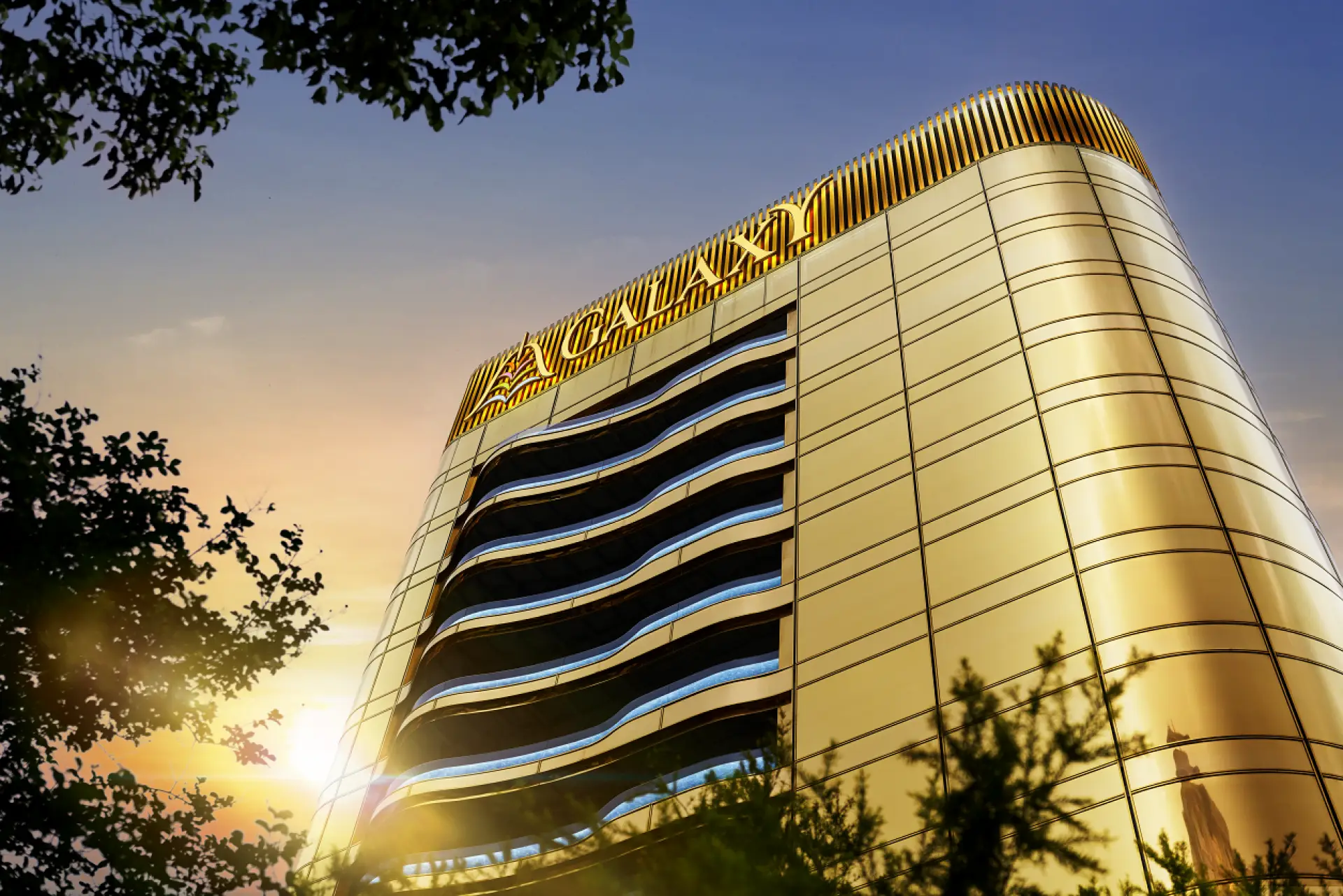
The opening of the ultra-luxury Capella at Galaxy Macau and its premium gaming area Horizon Plus played a significant role in attracting high-value customers. GEG also revealed plans to expand Horizon Plus from six private salons to ten, reinforcing its focus on premium mass and luxury gaming clientele.
This reflects the broader strategic shift occurring across Macau, where operators are increasingly prioritizing:
- Premium mass customers
- Luxury hospitality experiences
- Exclusive gaming environments
- High-end retail and dining
- Integrated entertainment ecosystems
Galaxy Macau Remains the Earnings Engine
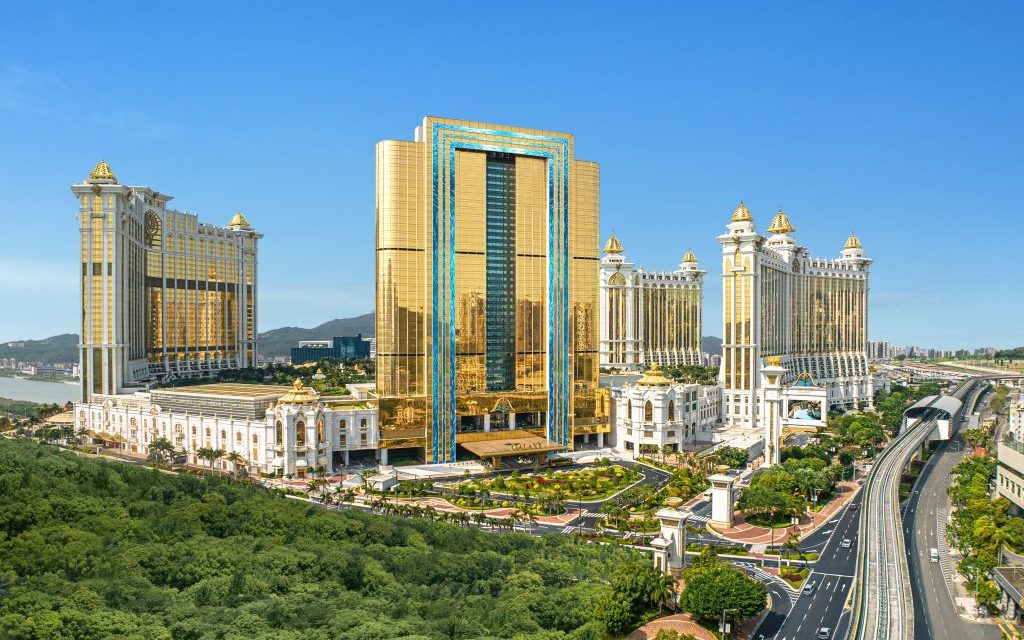
Galaxy Macau continued to dominate group performance and remained the primary earnings contributor.
The property generated:
- HK$10.34 billion (US$1.32 billion) in net revenue
- HK$8.81 billion (US$1.13 billion) in gaming revenue
- HK$3.34 billion (US$427 million) in Adjusted EBITDA
Although quarterly gaming revenue softened due to lower hold rates, underlying customer activity remained robust.
One of the clearest indicators was rolling chip turnover, which surged 67.3% year-on-year to HK$74.24 billion (US$9.48 billion). However, the VIP win rate fell sharply to 3.1%, compared with 5.1% in the prior quarter.
This illustrates an important point for investors and industry observers: customer volume and spending remained extremely strong, but statistical gaming outcomes negatively impacted reported revenue.
Mass gaming continued performing steadily:
- Mass table drop rose 5.67% year-on-year
- Electronic gaming volume increased nearly 23%
- Total GGR win climbed 17.8% year-on-year
These figures reinforce how Macau’s recovery is increasingly supported by premium mass demand rather than solely relying on traditional VIP play.
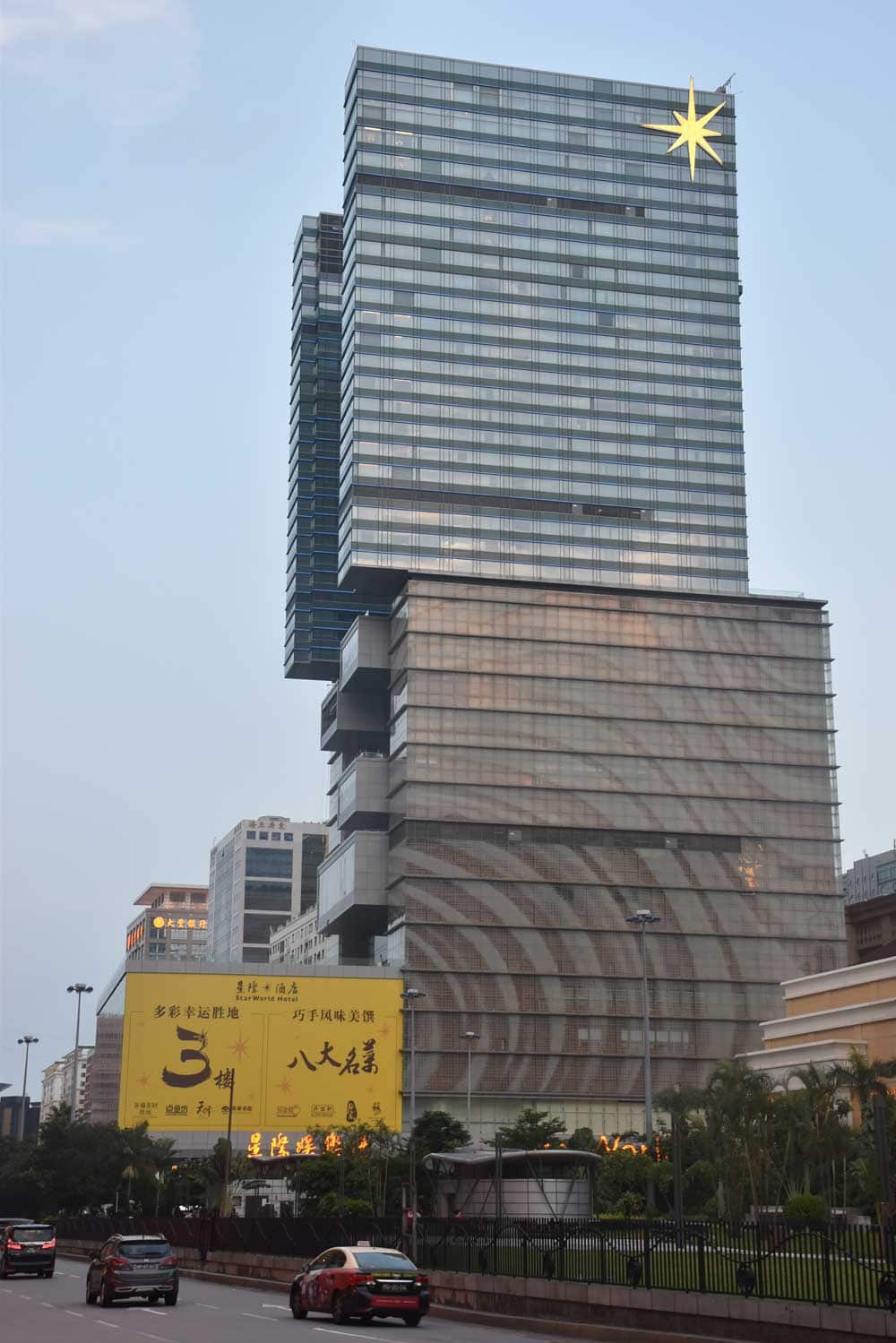
StarWorld Macau Shows Stable Recovery
StarWorld Macau also produced encouraging results despite management again referencing unfavorable luck conditions.
The property recorded:
- HK$1.34 billion (US$171.2 million) in net revenue
- HK$383 million (US$48.9 million) in Adjusted EBITDA
- Nearly HK$1.5 billion (US$192 million) in total GGR
Mass gaming remained particularly resilient at StarWorld:
- Mass table drop increased 9.2% year-on-year
- Mass win rate improved to 18.2%
- Electronic gaming remained stable
Interestingly, rolling chip volume dropped significantly year-on-year, highlighting the ongoing structural shift away from heavy reliance on VIP gaming.
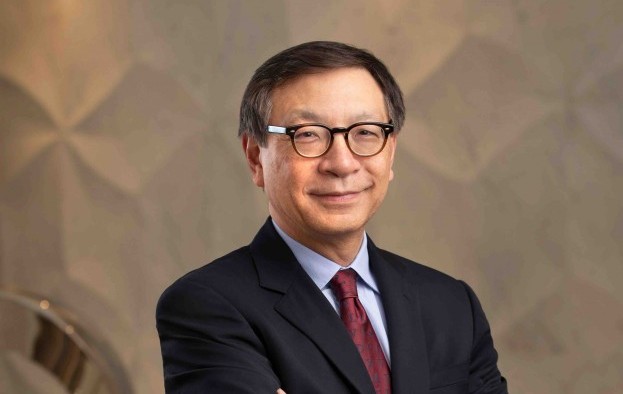
Francis Lui: Financial Strength Supports Long-Term Expansion
GEG Chairman Francis Lui emphasized the company’s strong financial position and long-term expansion confidence.
Lui noted that the group’s “balance sheet remains healthy and liquid, with cash and liquid investments of HK$39.2 billion (US$5 billion).” He added that this “financial strength allows us to fund our development pipeline, explore overseas opportunities and return capital to shareholders through dividends.”
The comments are particularly significant at a time when Macau operators are increasingly balancing:
- Large-scale capital expenditure
- Non-gaming investment commitments
- Shareholder return expectations
- Regional expansion opportunities
Lui also revealed that GEG is “firmly focused” on fitting out its highly anticipated Phase 4 development.
The upcoming expansion is expected to feature:
- A 5,000-seat theater
- Expanded F&B offerings
- Additional retail space
- A water resort deck
- Additional casino facilities
According to Lui, “we believe that the addition of these new, high-quality amenities will be a game changer for our business.”
The statement reinforces Galaxy’s strategy of positioning itself not just as a gaming operator, but as a premium integrated resort and entertainment destination capable of competing on luxury experience, entertainment and non-gaming attractions.
The Bigger Picture for Macau
GEG’s latest results reinforce a growing industry trend: Macau’s future growth is increasingly dependent on premium experiences and integrated resort ecosystems rather than pure gaming volume alone.
Despite softer luck factors, Galaxy still managed:
- Double-digit revenue growth
- Strong premium customer activity
- Rising mass gaming volumes
- Healthy EBITDA margins
- Continued expansion momentum
That resilience suggests operators with strong premium positioning, diversified entertainment assets and luxury hospitality offerings are likely to remain best positioned as Macau continues evolving in 2026 and beyond.