
 Content Writer: Janice Chew • Wednesday, 26/01/2026 - 23:44:19 - PM
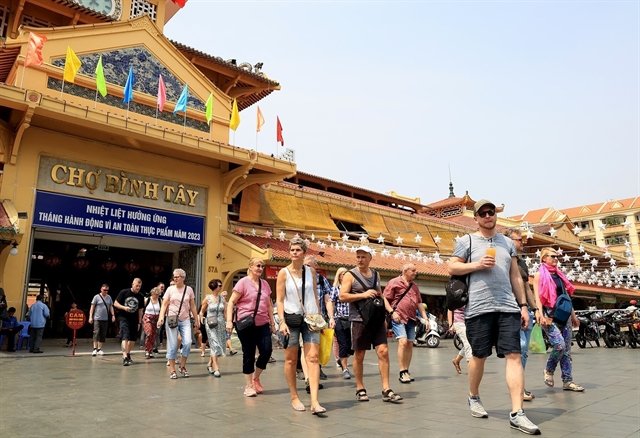
Vietnam’s Deputy Prime Minister Mai Văn Chính has urged a series of streamlined tourism measures aimed at helping the country reach its ambitious target of welcoming 25 million international visitors in 2026. Speaking at a meeting of the State Steering Committee for Tourism, Chính emphasized the need to remove institutional bottlenecks, accelerate digital transformation in visa processes and entry-exit procedures, and renew promotional strategies to boost both foreign arrivals and domestic holidaymakers. The government’s goal reflects a shift from recovery to quality growth in the tourism sector, building on the record performance seen in 2025.

Authorities have identified e-visa issuance and cumbersome entry procedures as key barriers to inbound travel. To address this, the Ministry of Public Security has been tasked with using new technologies to streamline processing times, while the Ministry of Foreign Affairs works to better communicate visa policy abroad. These reforms are expected to make Vietnam more accessible to international tourists, particularly high-spending and long-stay visitors that could significantly boost tourism revenues.
In addition to administrative reforms, the government is pushing for renewed promotional campaigns targeted at emerging and premium markets, leveraging digital marketing and artificial intelligence to tailor outreach for different visitor segments. Local authorities and tourism businesses are encouraged to highlight unique attractions, develop high-end tourism products like wellness and golf packages, and integrate sustainability principles into offerings. These efforts aim to enhance Vietnam’s competitiveness in a crowded regional tourism landscape, where destinations are increasingly vying for the same tourists.
Vietnam’s tourism sector is coming off a strong year in 2025, with foreign arrivals surpassing 21 million, a post-pandemic milestone that exceeded pre-COVID figures and set the stage for further expansion. Still, reaching the 25 million target will require coordinated policy actions, investment in infrastructure, and sustained marketing outreach to convert global travel demand into actual visits. The government also aims to attract 150 million domestic tourists and measurable gains in tourism revenue, reflecting the broader economic importance of the industry.