
 Content Writer: Janice Chew • Friday, 26/03/2026 - 14:16:50 - PM
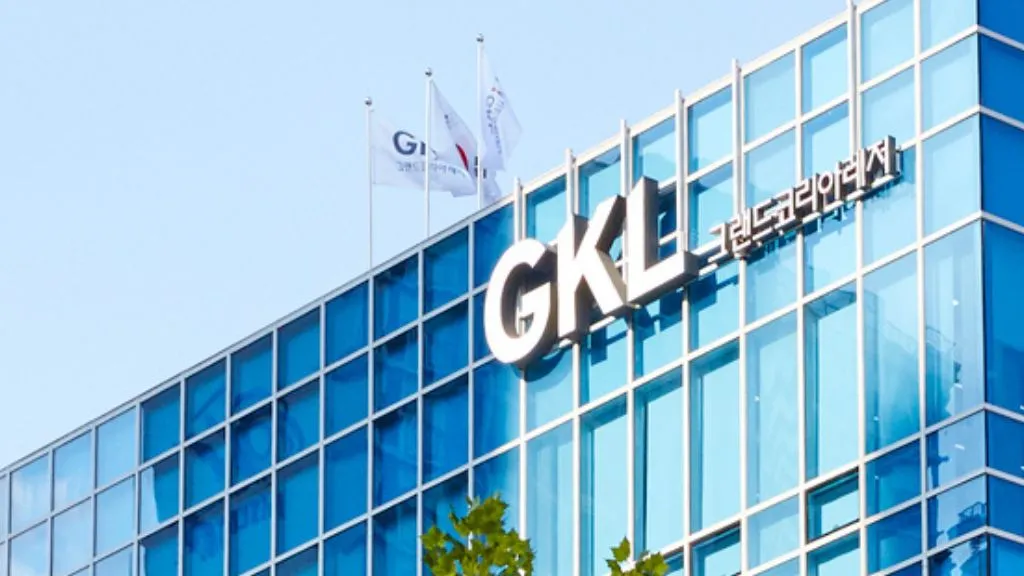
The announcement by Grand Korea Leisure (GKL) to target US$334 million in revenue by 2028 is more than just a financial goal—it’s a clear signal that Korea’s foreigner-only casino segment is entering a new phase of structured, strategic growth.
Backed by a corporate value enhancement plan, GKL is positioning itself not just to recover, but to redefine its role in Asia’s competitive gaming landscape.
From Recovery to Acceleration
Like many operators in Asia, GKL was heavily impacted by pandemic-era travel restrictions. But what we are now seeing is a transition from recovery to deliberate expansion.
The US$334 million target reflects:
- Confidence in the return of international tourism
- Stronger focus on high-value player segments
- A structured roadmap rather than reactive growth
This is important because GKL operates in a unique space—foreigner-only casinos—which means its performance is tightly linked to inbound tourism flows rather than domestic demand.
The Core Strategy: Value Over Volume
Unlike mass-market casinos, GKL’s model relies heavily on premium foreign players, particularly from regional markets such as China and Japan.
The company’s plan suggests a clear shift:
- From chasing volume
- To maximizing value per player
This typically involves:
- Enhanced VIP experiences
- Better customer segmentation
- Data-driven marketing and retention strategies
In short, fewer players—but higher yield per visitor.
The “Seven Luck” Positioning
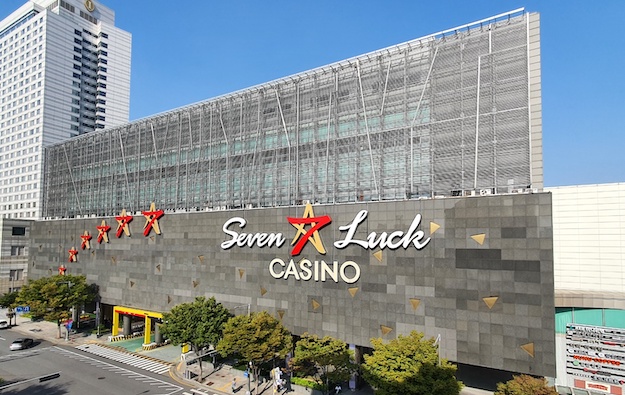
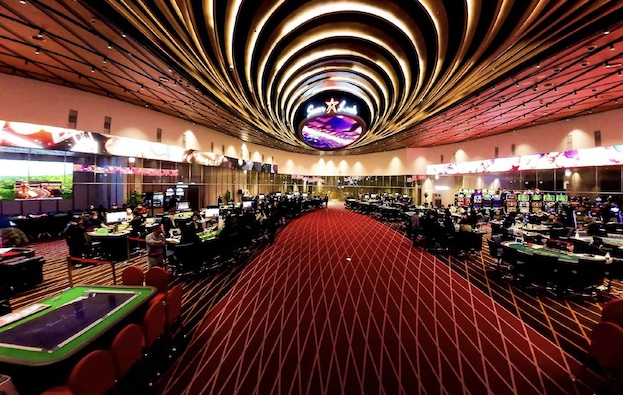
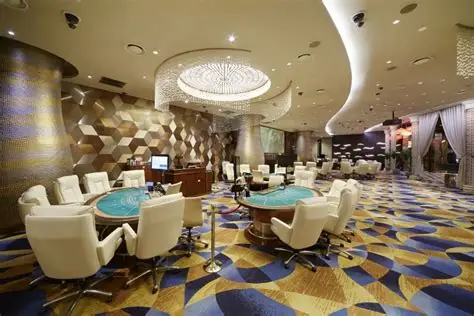
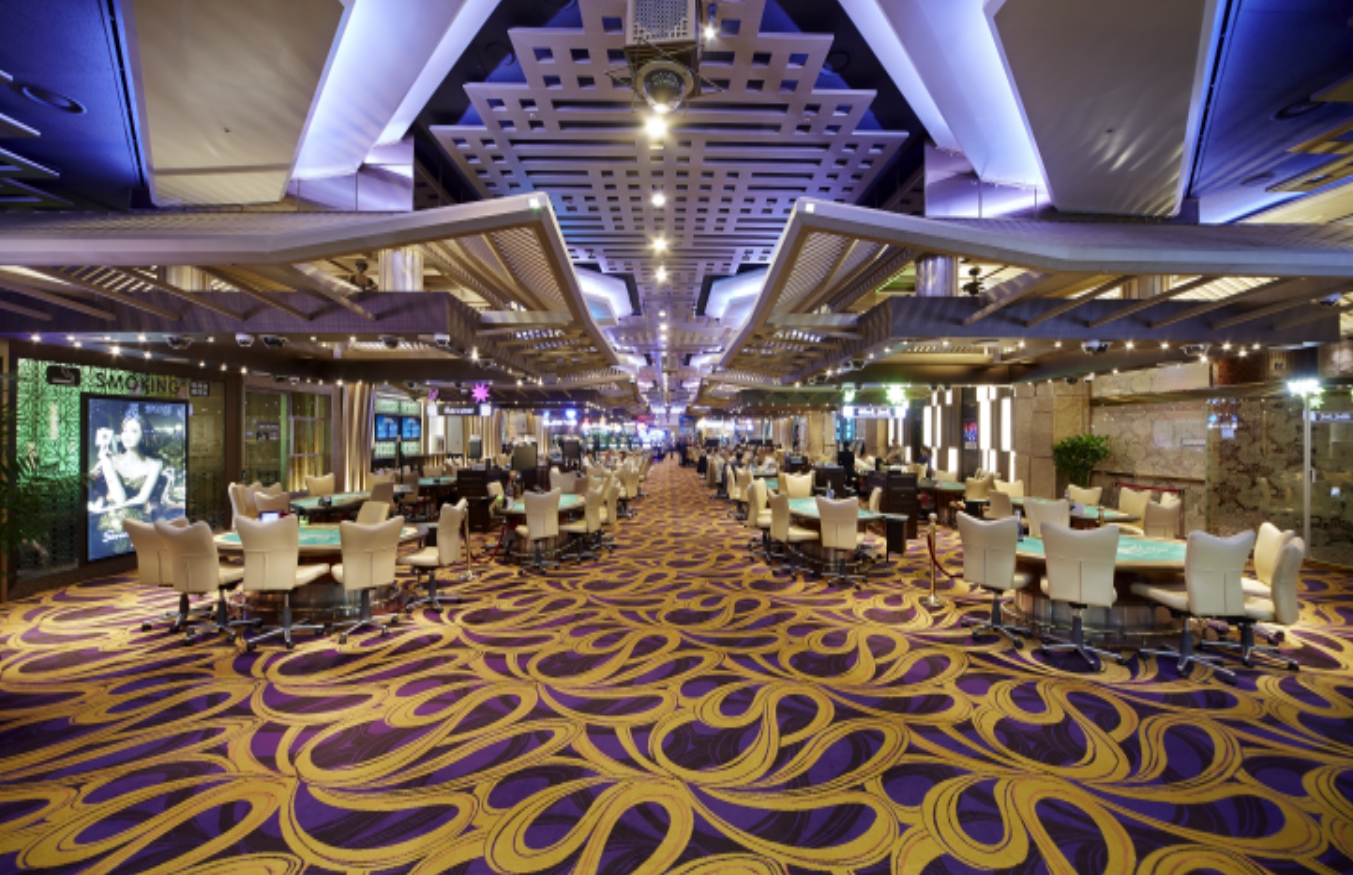
GKL operates under the Seven Luck Casino brand, with key locations in Seoul and Busan. These properties are strategically positioned near major tourism and business hubs, allowing them to capture high-value international traffic.
What’s interesting is how this positioning can evolve:
- From being just a gaming destination
- To becoming part of a broader lifestyle and entertainment ecosystem
This is where Korea has an opportunity to differentiate from markets like Macau.
Competitive Landscape: Korea vs Asia Giants
When comparing GKL to regional heavyweights:
- Macau dominates with scale and integrated resorts
- Singapore focuses on premium, tightly regulated high-value tourism
Korea sits somewhere in between:
- Strong infrastructure
- High-quality urban environments
- But less integrated resort scale
This creates both a challenge and an opportunity:
GKL must compete not on size, but on experience, accessibility, and efficiency.
Strategic Insight: The Real Opportunity Lies in Data
From a technology and product perspective, this is where things get interesting.
To hit US$334 million, GKL cannot rely purely on footfall—it must:
- Increase player lifetime value (LTV)
- Improve conversion rates from tourists to players
- Optimize marketing spend efficiency
This naturally leads to:
- CRM systems tailored for VIP gaming
- Predictive analytics for player behaviour
- Personalized incentives and offers
In other words, data becomes the growth engine.
A Hidden Angle: Tourism + Gaming Integration
One underexplored angle is the integration between:
- Tourism platforms
- Gaming experiences
Imagine:
- Booking a Seoul trip → bundled with casino perks
- Hotel check-in → linked with gaming rewards
- Airport arrival → targeted offers for high-value players
This is where GKL can unlock incremental revenue without heavy infrastructure investment.
What This Means for Builders & Operators
If you’re building in this space (apps, platforms, systems), there are clear opportunities:
- Tourism + Casino APIs
Integrate travel and gaming ecosystems - Player Intelligence Platforms
Track behaviour, predict spend, optimize retention - Experience Personalization Engines
Deliver tailored VIP journeys
For operators, the takeaway is simple:
Growth will not come from scale alone—it will come from precision.
Final Thought
GKL’s US$334 million target is not just a number. It represents a shift in mindset:
From passive reliance on tourism
To actively engineering value from every visitor
In a region dominated by mega-resorts and intense competition, the winners will not necessarily be the biggest—but the ones who can extract the most value per experience.
And that’s exactly the game GKL is stepping into.