

 Content Writer: Janice Chew • Friday, 26/01/2026 - 00:04:56 - AM
A recent investigation has uncovered a growing network of illegal gambling dens in Seoul that exclude Korean citizens, instead targeting Chinese residents and visitors, according to a report by Chosun Daily. These establishments, located primarily in Garibong-dong, Guro-gu, have reportedly proliferated alongside increases in the local Chinese population and tourist flows, with more than 100 operations identified featuring slot machines and mahjong tables that prohibit entry to Koreans, allowing only those with Chinese identification to gamble.
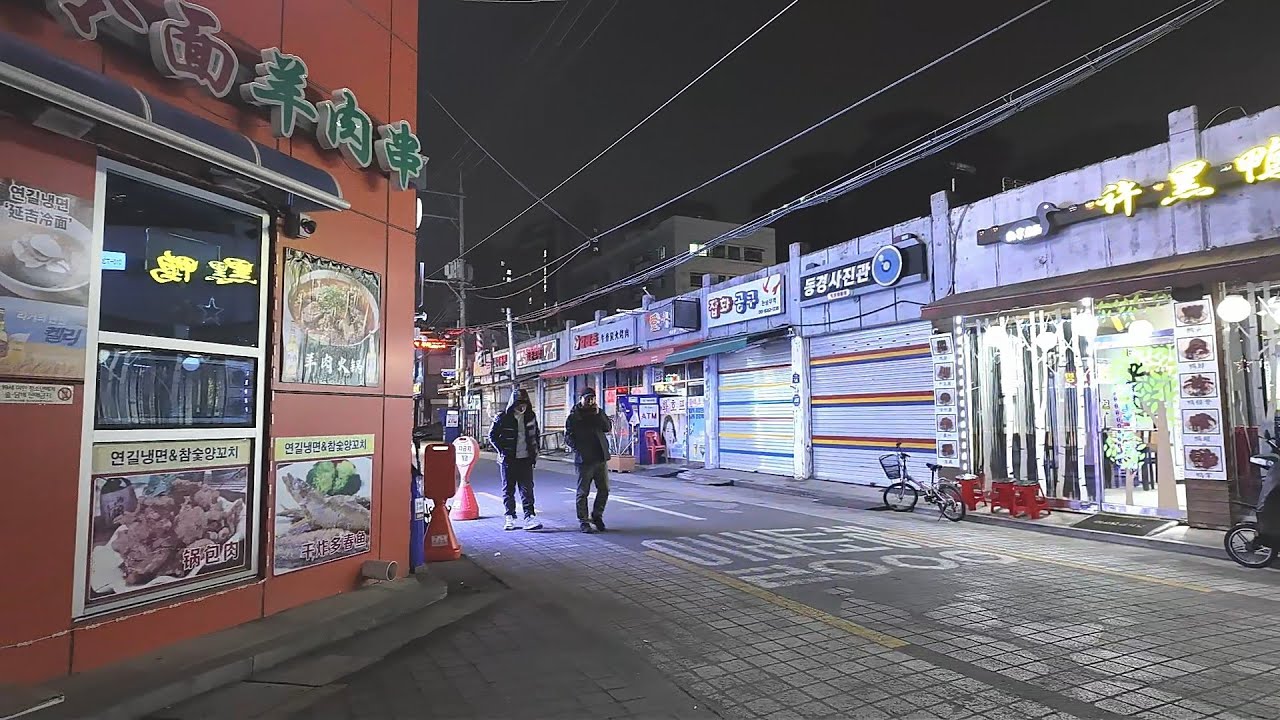
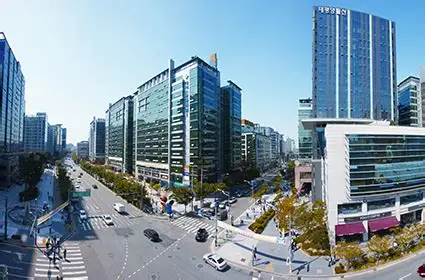
The illicit venues are often discreetly hidden, with cardboard covering windows and minimal outward signage, and many patrons are said to frequent nearby unregistered guesthouses after gambling sessions. The age and socioeconomic marginalisation of middle-aged and elderly Chinese Koreans have been cited as a key factor behind participation in these underground gambling circles. Police surveillance data shows that illegal gambling dens under watch have risen sharply from 273 in 2022 to 909 by 2024, reflecting a broader expansion of such informal operations in the city.
Law-enforcement authorities have struggled to effectively crack down on these sites due to their organised and heavily guarded nature, making evidence gathering and prosecution challenging. This trend highlights wider enforcement limitations in tackling illegal gambling and underscores social complexities surrounding immigrant communities and underground economies in South Korea’s capital.
Analysts note that illegal gambling more broadly poses significant problems across South Korea, where legal casino access for citizens is severely limited (with only one licensed casino open to locals and strict restrictions on online gambling), leading many to participate in unregulated betting markets. The underground gambling scene remains lucrative and difficult to police, contributing to ongoing challenges for public safety and regulatory efforts.