 Content Writer: Janice Chew • Friday, 26/01/2026 - 23:50:25 - PM
Japan is moving forward with a renewed effort to expand its integrated resort (IR) programme that includes large-scale tourism complexes with casino gaming, signalling fresh opportunities for local governments and gaming operators alike. In late 2025 the Japan Tourism Agency (JTA), under the Ministry of Land, Infrastructure, Transport and Tourism, published a draft Cabinet order outlining the next official window for IR licence applications, slated to open from 6 May to 5 November 2027. During this six-month period, eligible municipalities and prefectures can submit their bids to host new IR developments; private operators must partner with these local authorities instead of applying independently.
Under Japan’s Integrated Resorts Act, the nation can award up to three IR licences. In the first round of bidding only one project – MGM Osaka on Yumeshima Island – succeeded, with construction underway and a planned opening in 2030. That leaves two potential licences still available when the next application period begins in 2027, attracting renewed domestic and international interest.
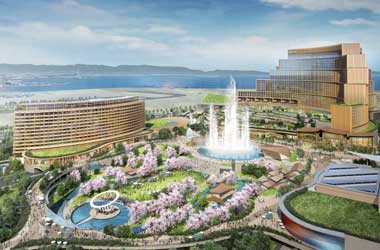
The draft regulations have entered a public consultation phase, allowing stakeholders and members of the public to offer input before the Cabinet order is finalised and formalised into regulation. Once adopted, this framework will be the basis for evaluating applications, which must include an IR District Development Plan prepared by the local government and its private partners.
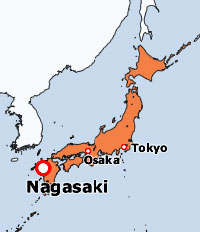
Some regions such as Hokkaido and Nagasaki are expected to pursue bids in this upcoming round. Nagasaki, which applied in the first round, was previously rejected due to concerns about finance and operational experience, but could return with a more robust proposal. However, not all localities are committing; recent reports suggest that Wakayama and Fukuoka have signalled they may opt out of the 2027 application window due to tight preparation timelines or political considerations.
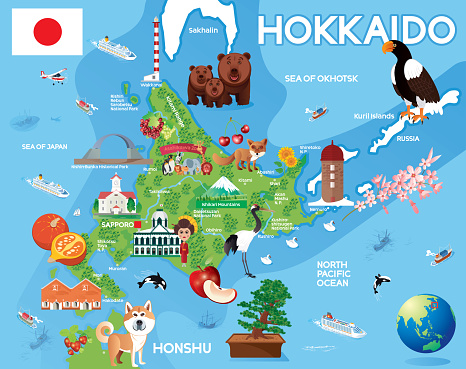
The reopening of the IR bidding process has also drawn attention from major gaming operators. Hard Rock International, for example, has reiterated its long-standing interest in the Japanese market and is expected to pursue a licence in cooperation with regional partners such as those in Hokkaido. Such industry engagement highlights how the 2027 application round could reshape Japan’s tourism and entertainment landscape if additional integrated resorts are approved.