
 Content Writer: Janice Chew • Thursday, 26/06/2026 - 23:14:33 - PM
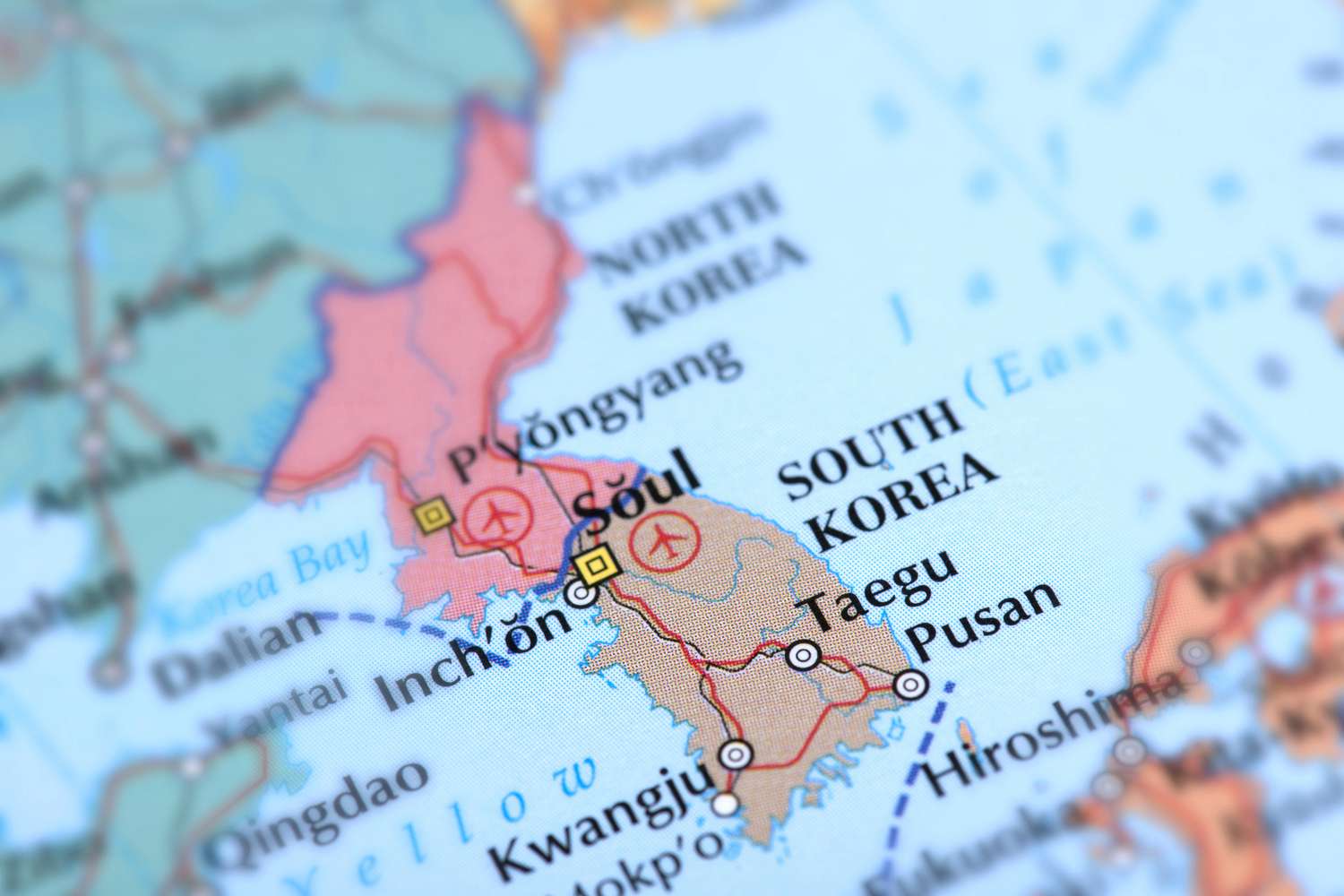
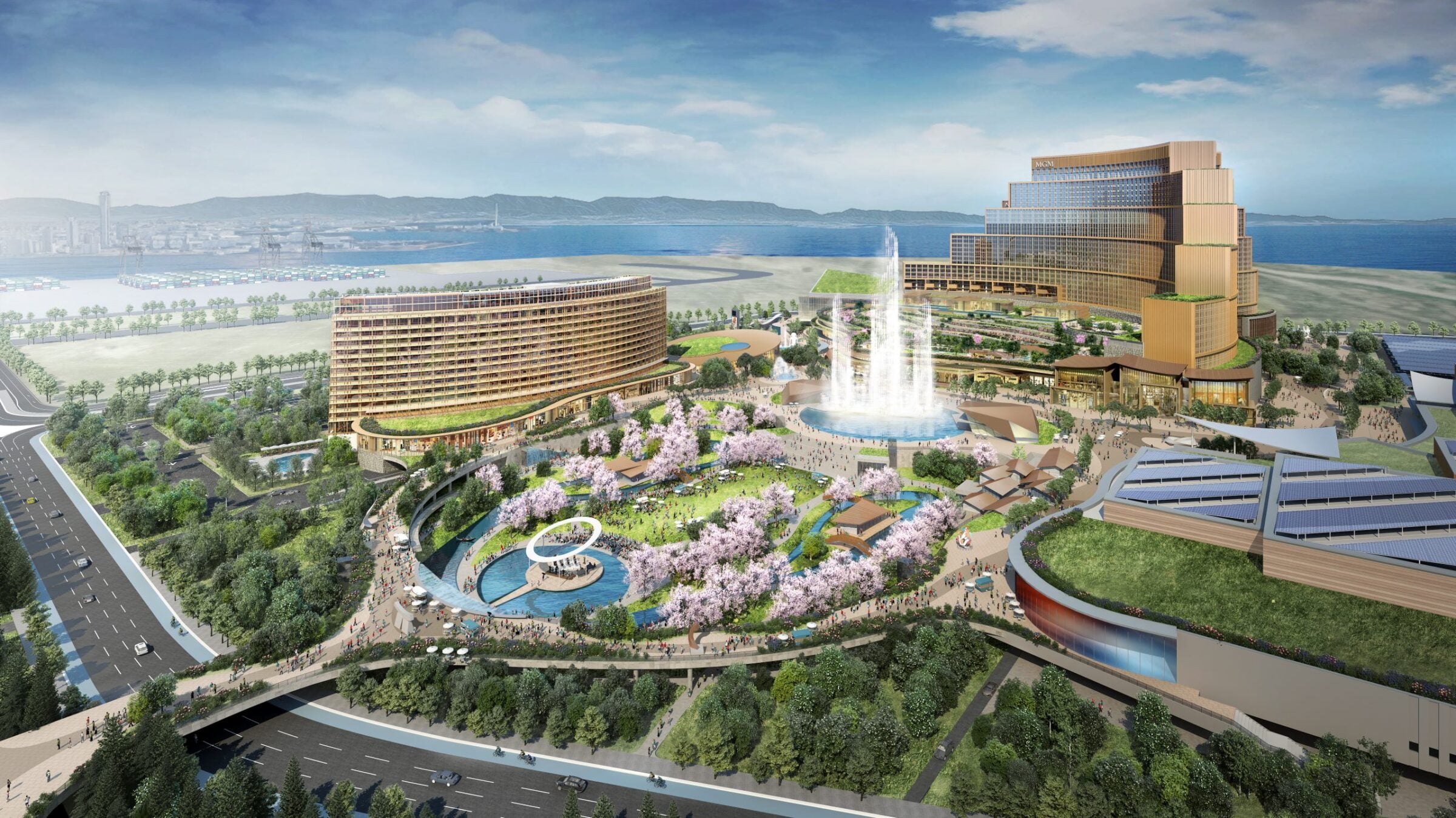
South Korea’s casino operators are calling for easier regulations and faster approval processes as they prepare for stronger competition from Japan’s upcoming MGM Osaka integrated resort.
The concern is simple: when MGM Osaka opens in 2030, it could attract many regional tourists who may otherwise visit Korea’s casinos and resorts. For Korean operators such as Kangwon Land and Grand Korea Leisure, this is not just a future problem. It is a warning that the industry must upgrade now.
What Happened
Executives from Grand Korea Leisure and Kangwon Land shared their concerns during a roundtable discussion hosted by The Korea Times in Seoul.
Grand Korea Leisure operates the Seven Luck Casino brand and is linked to the Korea Tourism Organization. Kangwon Land is Korea’s only casino where local Korean residents are allowed to gamble.
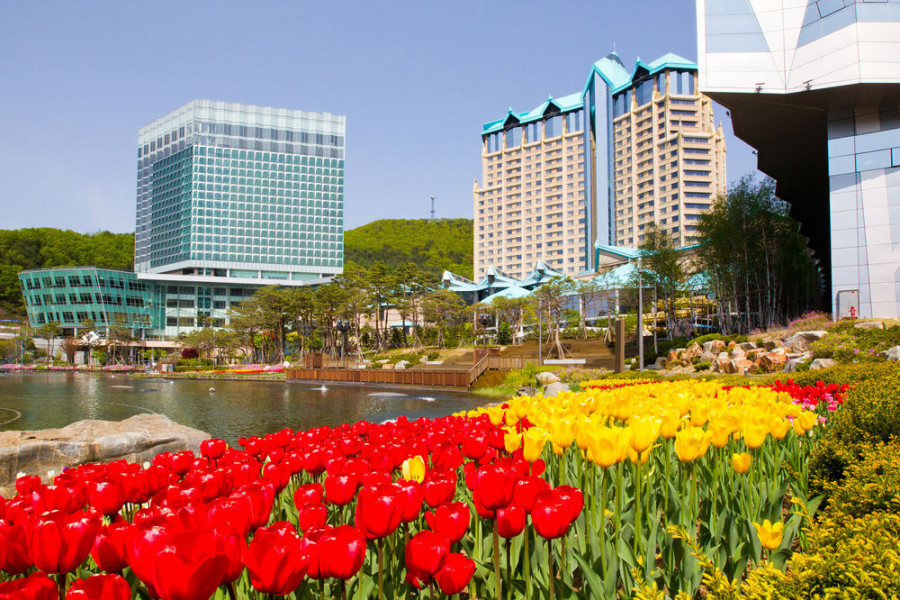
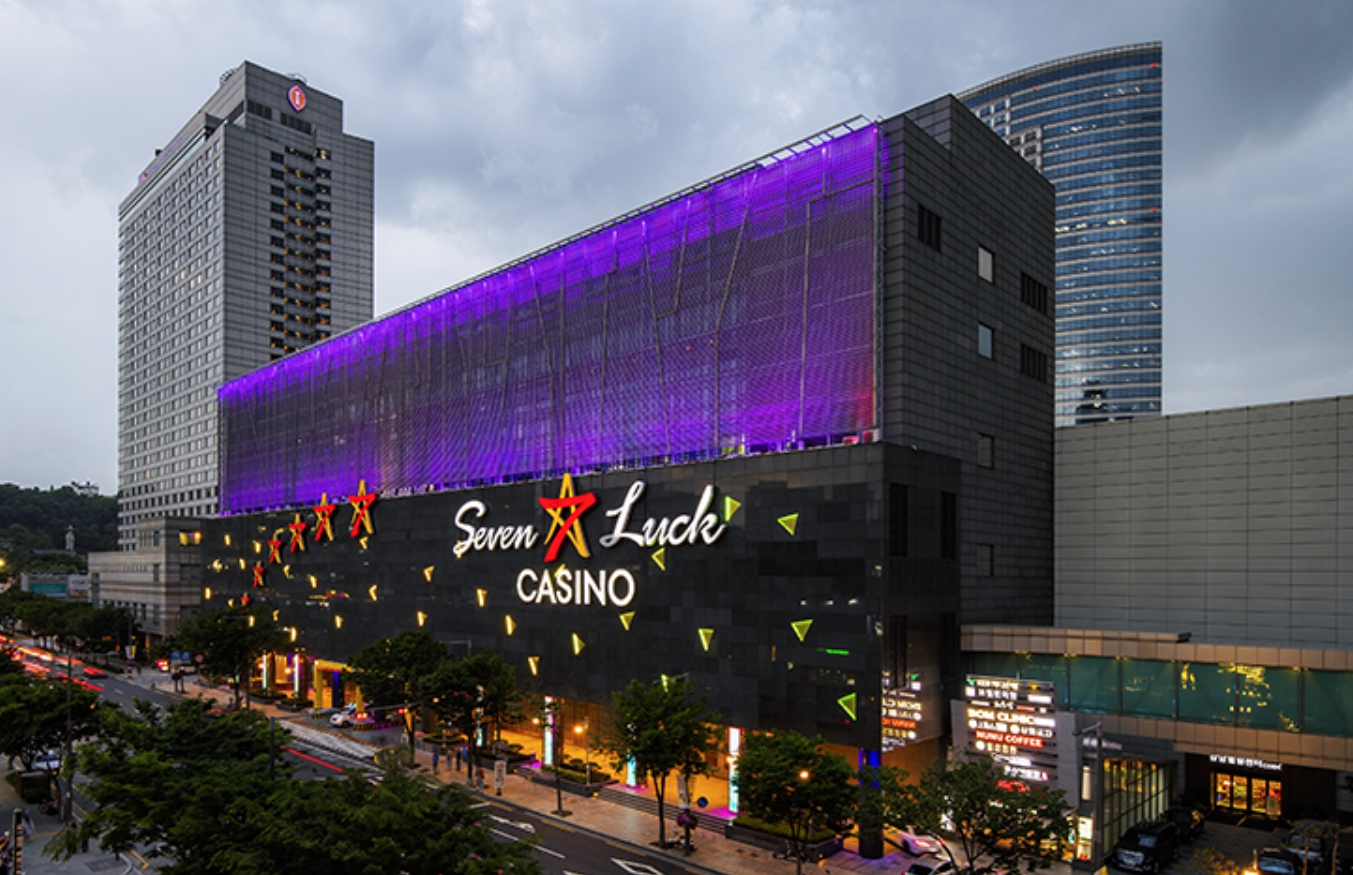
Both companies believe Korea’s casino and integrated resort sector needs more government support if it wants to compete with major regional developments such as MGM Osaka.
GKL’s Kim Eom-kwon said the company feels a “strong sense of crisis” because Japan’s resort could pull tourists away from Korea.
Kangwon Land’s Lee Dae-shin also highlighted that public enterprises often need to go through long feasibility studies before making major investments. His point was clear: if investment approvals take too long, Korea may fall behind before MGM Osaka even opens.
Why MGM Osaka Is a Serious Threat
MGM Osaka is expected to become Japan’s first major integrated resort.
It will not be just a casino. It is planned as a large-scale entertainment, hospitality, convention and tourism destination.
This matters because tourists today do not travel only for gaming. They want a full experience — hotels, restaurants, shopping, events, culture, entertainment and lifestyle attractions.
That is why MGM Osaka is a major threat to Korea’s existing casino operators. It brings global brand power, strong tourism appeal and a modern integrated resort model.
For foreigner-only operators in Korea, Japanese tourists are especially important. If MGM Osaka becomes a major destination, some Japanese visitors may choose to stay in Japan instead of travelling to Korea.
Korea’s Main Challenge
Korea already has casino assets, but the industry faces structural challenges.
Some operators are restricted by regulation. Some face slow approval processes. Some properties need upgrades to become more attractive to international tourists.
This is why industry leaders are asking the government to create a more growth-friendly environment.
The issue is not about removing all controls. Casinos still need strong regulation, compliance and responsible gaming standards.
The real issue is speed and competitiveness.
If other countries can approve major upgrades faster, build better attractions and market themselves more aggressively, Korea’s casino industry may lose regional market share.
From Casino Venue to Integrated Resort
One of the strongest points from the roundtable was the need to change how casinos are viewed.
Professor Lee Jae-seok said Korea must move away from seeing casinos as simple gaming venues and turn them into places where visitors genuinely want to stay.
This is the right direction.
The future of gaming is not just about casino tables and slot machines. It is about building complete destinations.
A strong integrated resort should include hotels, food and beverage, entertainment, retail, meetings and events, wellness, family attractions, cultural experiences and digital customer engagement.
This is how operators increase length of stay and customer spending.
Kangwon Land’s Transformation Plan
Kangwon Land is already trying to move in this direction.
The company has a major transformation plan that includes expanding non-gaming facilities, improving leisure attractions, developing wellness experiences and creating more reasons for visitors to stay longer.
Its goal is to increase the share of non-gaming revenue from around 20% to 40%.
This is important because heavy dependence on casino revenue can limit long-term growth. Non-gaming revenue helps create a more balanced and sustainable resort business.
For Korea, this is also aligned with tourism development. A stronger integrated resort can support hotels, restaurants, transport, events, local suppliers and regional employment.
Marketing Lesson: Korea Needs a Stronger Destination Story
From a marketing perspective, Korea cannot compete with MGM Osaka only by saying it has casinos.
It needs a stronger destination story.
Korea has K-culture, food, music, beauty, entertainment, shopping, nature and strong tourism appeal. The casino industry should connect itself to that broader story.
Instead of promoting gaming alone, operators should promote complete travel experiences.
For example:
A casino visit can be packaged with concerts, food festivals, luxury shopping, wellness retreats, ski trips, cultural tours and premium hotel stays.
This makes the destination more attractive and less dependent on gaming alone.
Original Insight: Regulation Is Now a Competitive Tool
The most important insight is this: regulation is no longer only about control. It is also a competitive tool.
Countries that regulate well can protect society while still allowing the industry to innovate.
Countries that regulate too slowly may protect the market in the short term but weaken it in the long term.
Korea does not need reckless deregulation. It needs smarter regulation.
That means faster approval for responsible investment, clearer rules for integrated resort development, stronger tourism coordination and support for non-gaming expansion.
Why This Matters for Asia
The MGM Osaka effect will not only impact Korea.
It will influence the whole Asian gaming and tourism market.
Macau, Singapore, the Philippines, South Korea and Japan are all competing for premium tourists, entertainment spending, MICE business and regional travel demand.
As Japan enters the integrated resort market, other countries will need to improve their own offerings.
This is healthy competition, but it also means operators cannot stay comfortable.
Final Takeaway
Kangwon Land and Grand Korea Leisure are right to raise the alarm.
MGM Osaka is still a few years away, but the competitive pressure has already started.
Korea’s casino industry must move faster, upgrade its resorts, improve non-gaming attractions and build stronger digital marketing capabilities.
The future winner will not be the operator with only the casino floor.
The winner will be the operator that can create a complete destination experience — supported by smart regulation, strong technology, good marketing and world-class hospitality.