
 Content Writer: Janice Chew • Monday, 26/01/2026 - 13:36:34 - PM
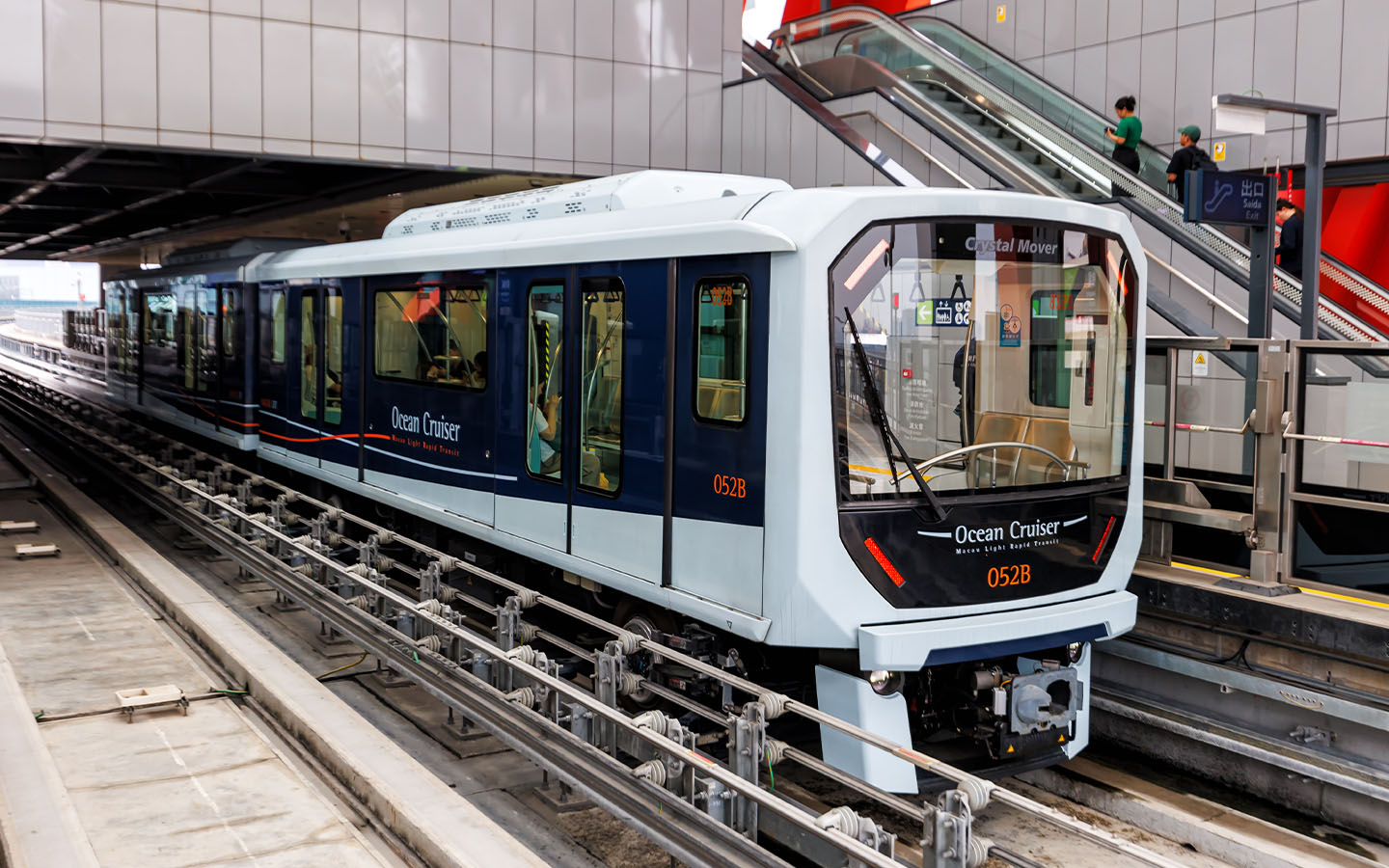
Macau is preparing for a major upgrade to its public transport infrastructure, with plans to introduce six new Light Rapid Transit (LRT) lines aimed at expanding rail coverage across the city and strengthening links to key border crossings. The proposal, outlined by government officials, reflects a renewed push to tackle long-standing traffic congestion while supporting Macau’s broader urban development and cross-border integration goals. The expanded network is expected to complement the existing Taipa Line and gradually reshape how residents, workers, and visitors move around the city.
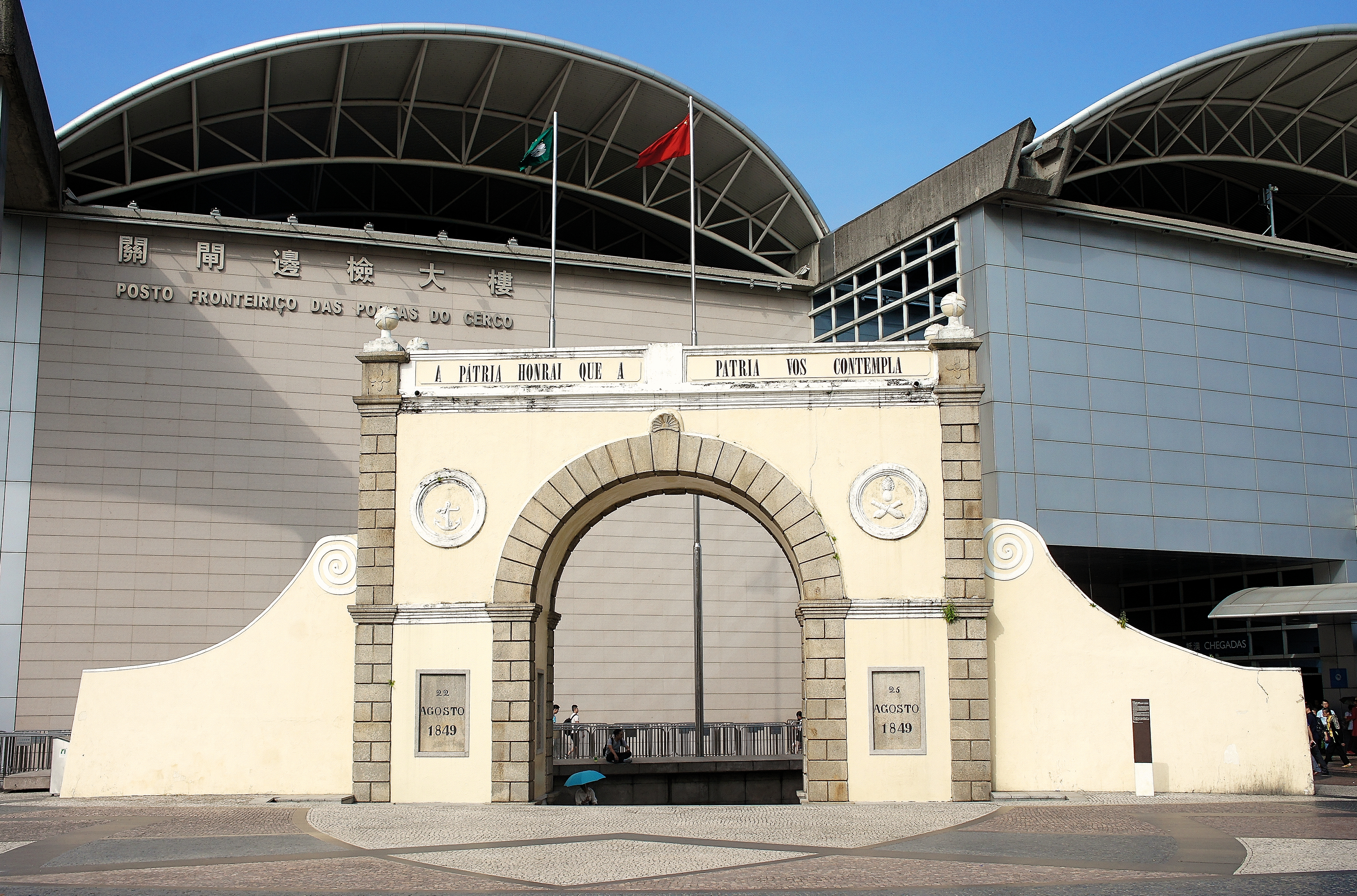
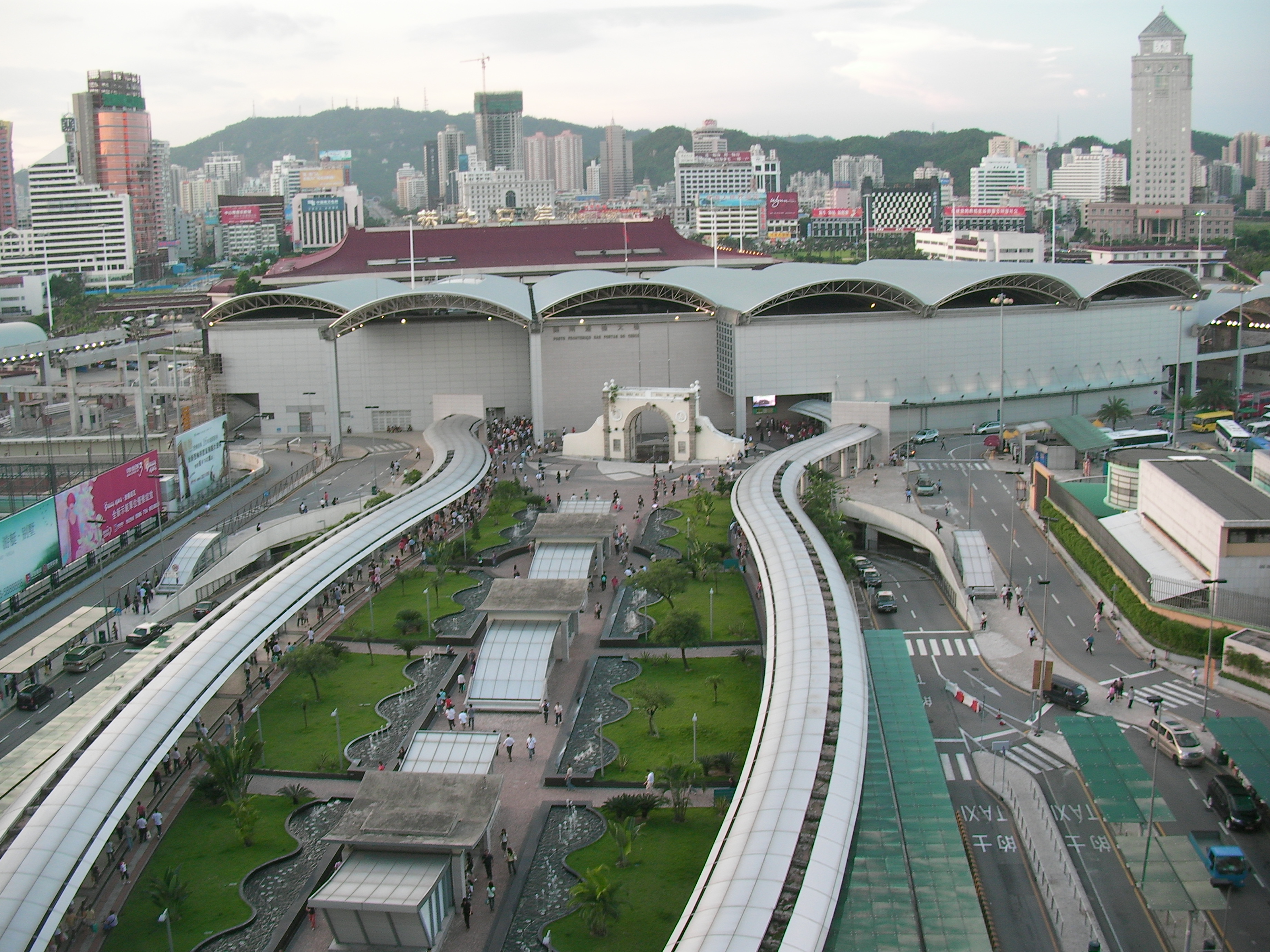
A key focus of the new LRT blueprint is connectivity to major land borders with Zhuhai, including the Border Gate and Qingmao Port, which collectively handle a significant share of daily commuter and visitor traffic. By extending rail access to these checkpoints, authorities aim to reduce reliance on buses and private vehicles, shorten travel times, and improve overall transport efficiency. This is particularly important as cross-border movement continues to rise in line with regional economic recovery and tourism growth.
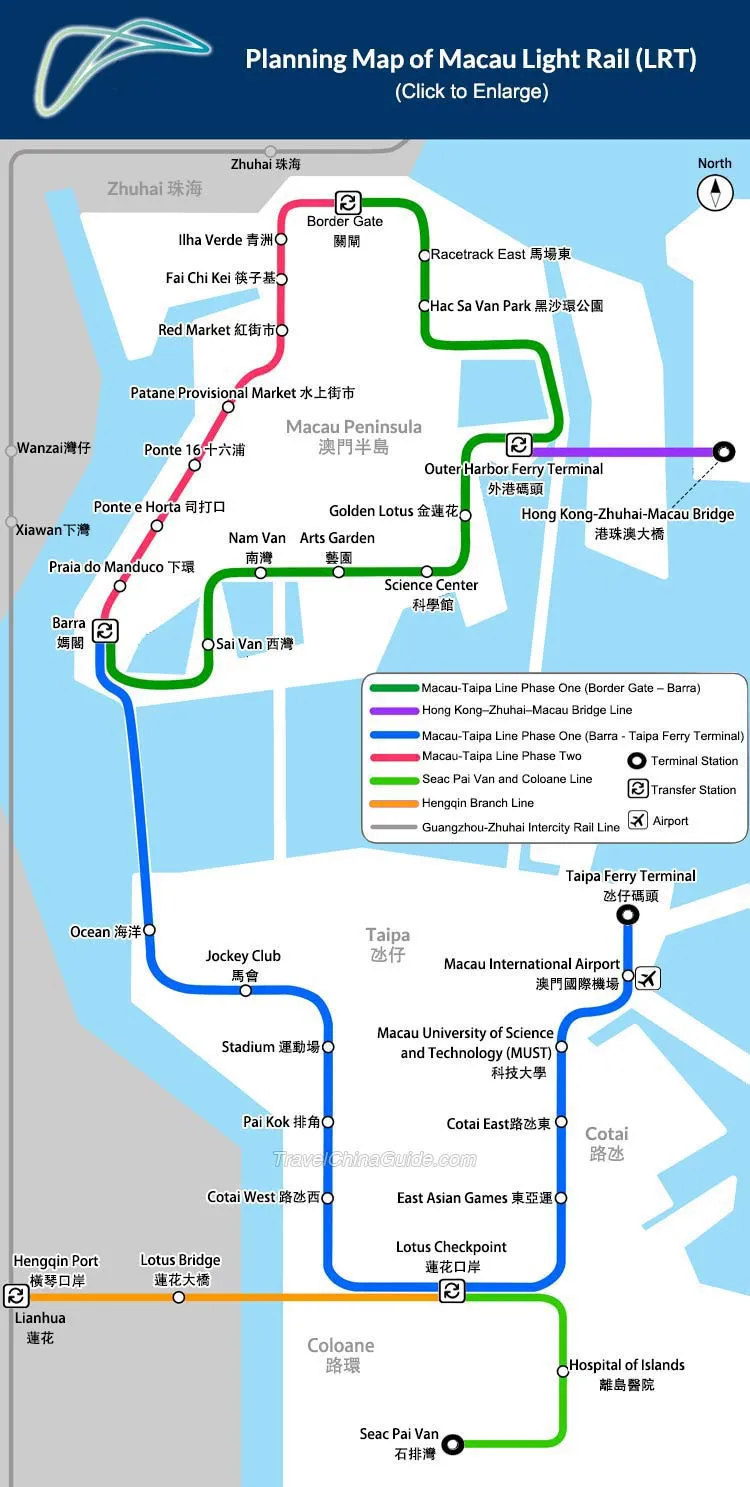
Beyond border links, the proposed lines are also designed to serve densely populated residential districts and commercial zones that currently lack direct rail access. Transport planners have highlighted the need for a more balanced network that supports daily commuting patterns rather than focusing solely on tourism corridors. Improved LRT coverage could help ease peak-hour congestion, enhance mobility for local residents, and make public transport a more attractive alternative to road travel.
The expansion aligns closely with Macau’s role within China’s Greater Bay Area, where seamless transportation links are increasingly viewed as essential for labour mobility and economic integration. Analysts note that better rail connectivity could support workforce movement between Macau and neighbouring cities, while also reinforcing the city’s position as a convenient gateway for regional travel. This infrastructure push is seen as a long-term investment in competitiveness rather than a short-term traffic solution.
From an economic perspective, improved transport infrastructure is also expected to support Macau’s diversification beyond gaming. Easier access across districts and borders could benefit non-gaming tourism, retail, conventions, and cultural attractions by spreading visitor flows more evenly across the city. While timelines and funding details for the six new lines have yet to be fully disclosed, the proposal signals a clear intent by policymakers to future-proof Macau’s transport system and lay the groundwork for more sustainable urban growth in the years ahead.