
 Content Writer: Janice Chew • Tuesday, 26/08/2026 - 00:32:48 - AM
South Korea’s proposed casino industry reforms are facing broader resistance after 12 tourism-related organisations jointly called for the plan to be withdrawn.
The coalition includes the Korea Casino Association, Korea Tourism Association, Korea Hotel Association and Korea Association of Travel Agents. Its intervention shows that the debate is no longer limited to casino operators—it is increasingly being framed as an issue affecting tourism investment, hotels, employment and Korea’s regional competitiveness.
What Is Being Proposed?
The Ministry of Culture, Sports and Tourism is considering two major changes:
- Raising the maximum contribution to the Tourism Promotion and Development Fund from 10% to 15% of casino gaming revenue.
- Replacing the existing ongoing casino licence structure with renewable five-year licences.
The current Tourism Promotion Act requires casino operators to contribute up to 10% of turnover to the tourism fund. The payment is calculated through a progressive structure rather than a single flat rate.
The ministry has also clarified that the proposed 15% rate would not necessarily apply to all casino revenue. Instead, it is considering introducing a new high-revenue bracket, with the final thresholds and rates to be determined after consultation with operators, experts and academics.
This distinction is important. The proposal is still under review and should not be interpreted as a confirmed flat increase from 10% to 15% across every operator.
Tourism Groups Warn of Investment Damage
The 12 organisations argue that calculating the contribution from revenue rather than profit places pressure on casinos even when their operations are loss-making.
Their joint statement warned that the additional burden—on top of individual consumption tax, corporate tax and local taxes—could accelerate financial distress among operators still rebuilding after the pandemic. Smaller casinos were identified as particularly vulnerable because roughly half of Korea’s operators have reportedly recorded operating losses during parts of the past decade.
The organisations also oppose five-year licence renewals. Integrated resorts require substantial initial investment in hotels, convention facilities, entertainment, restaurants and transport infrastructure. Investors may be less willing to commit long-term capital when the operating licence must be reconsidered every five years.
What the Key Speakers Said
Seo Won-seok: Stronger Evidence Is Needed
Korea Tourism Association President Seo Won-seok estimated that the higher contribution could reduce casino operating profits by approximately 20% to 30%.
He argued:
“A higher level of policy justification and objective grounds than general taxes are required.”
His position reflects the wider tourism sector’s concern that casino policy should consider the indirect economic value generated through hotel stays, dining, retail, entertainment and international visitation—not only gaming revenue.
Choi Sung-wook: Casinos Face a Policy Contradiction
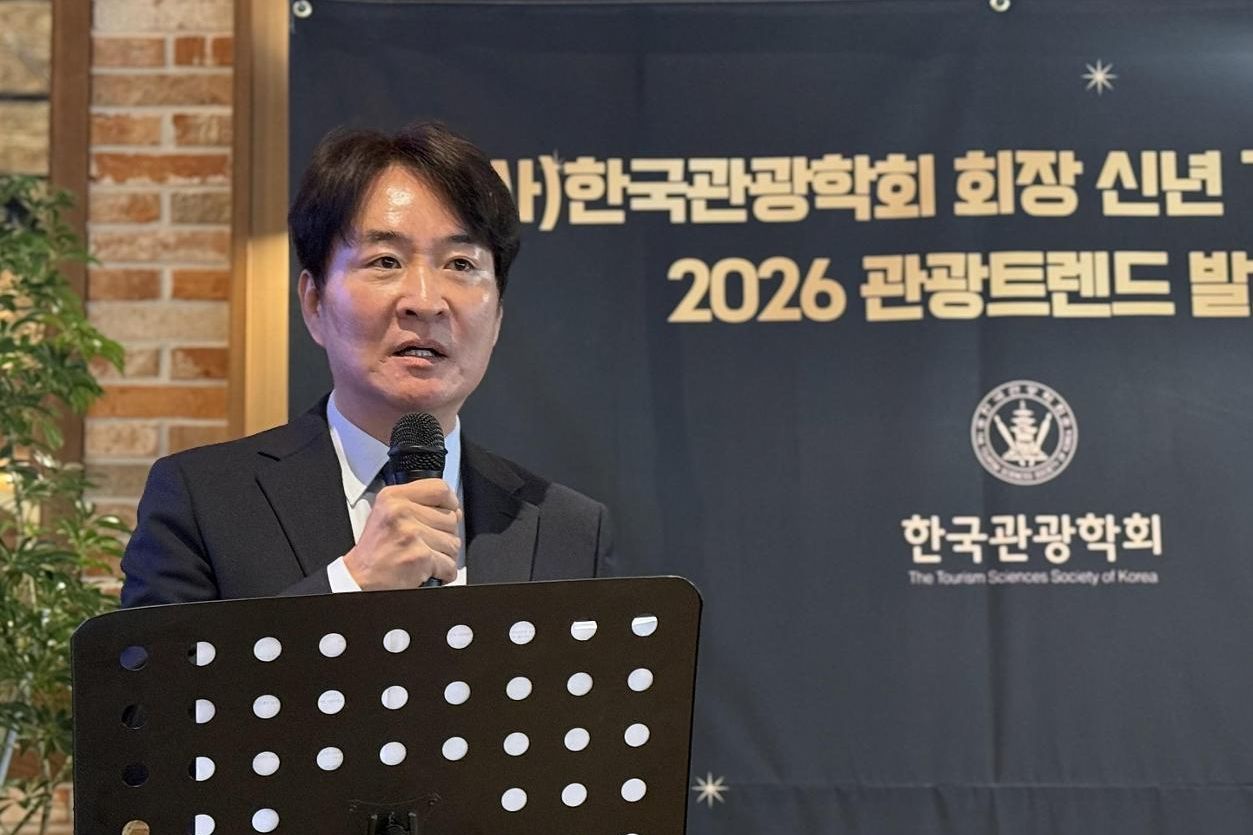
Korea Casino Association Chairman Choi Seung-wook argued that the industry is treated simultaneously as a tightly controlled gambling sector and a major source of tourism funding.
He said the 15% ceiling could place loss-making operators under further pressure. Choi also noted that casinos contributed KRW219.5 billion to the tourism fund in 2025, the highest amount recorded and 61.7% above the 2019 contribution.
The association maintains that operators’ contributions already rise automatically as gaming revenue grows because the existing system is progressive. It has therefore questioned whether a higher ceiling is necessary.
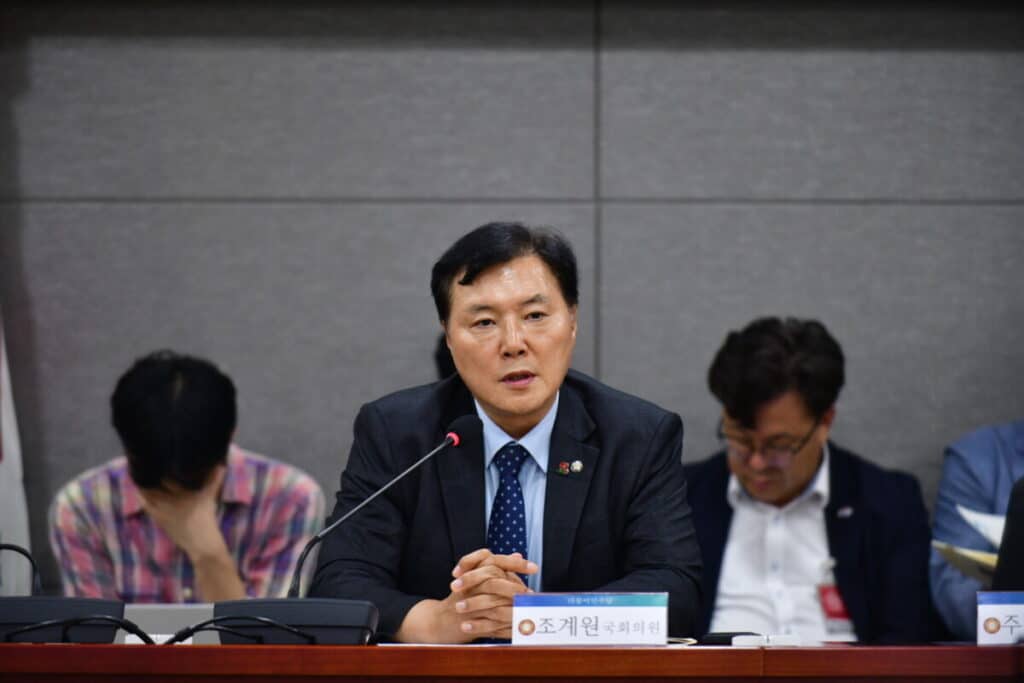
Jo Gye-won: Reform Is Intended to Support Healthy Growth
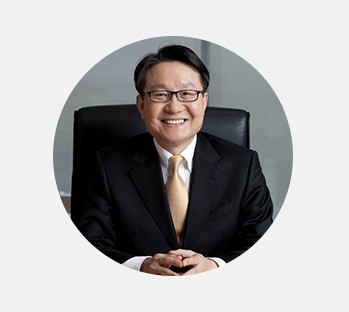
Democratic Party lawmaker Jo Gye-won presented the government and reform advocates’ position at a National Assembly forum.
He said:
“The goal is not to stifle the casino industry but to establish a regulatory framework for healthy and transparent growth.”
Supporters argue that Korea’s core casino regulatory structure has changed little despite major growth in the industry. They believe periodic licence reviews, ownership controls and updated fund contributions could improve transparency and ensure that more gaming-generated value supports the wider tourism economy.
Ministry Officials: Korea’s System Needs Updating
Lee Myung-jin, head of the ministry’s casino industry policy team, said major international gaming jurisdictions regularly examine whether operators continue meeting licensing conditions.
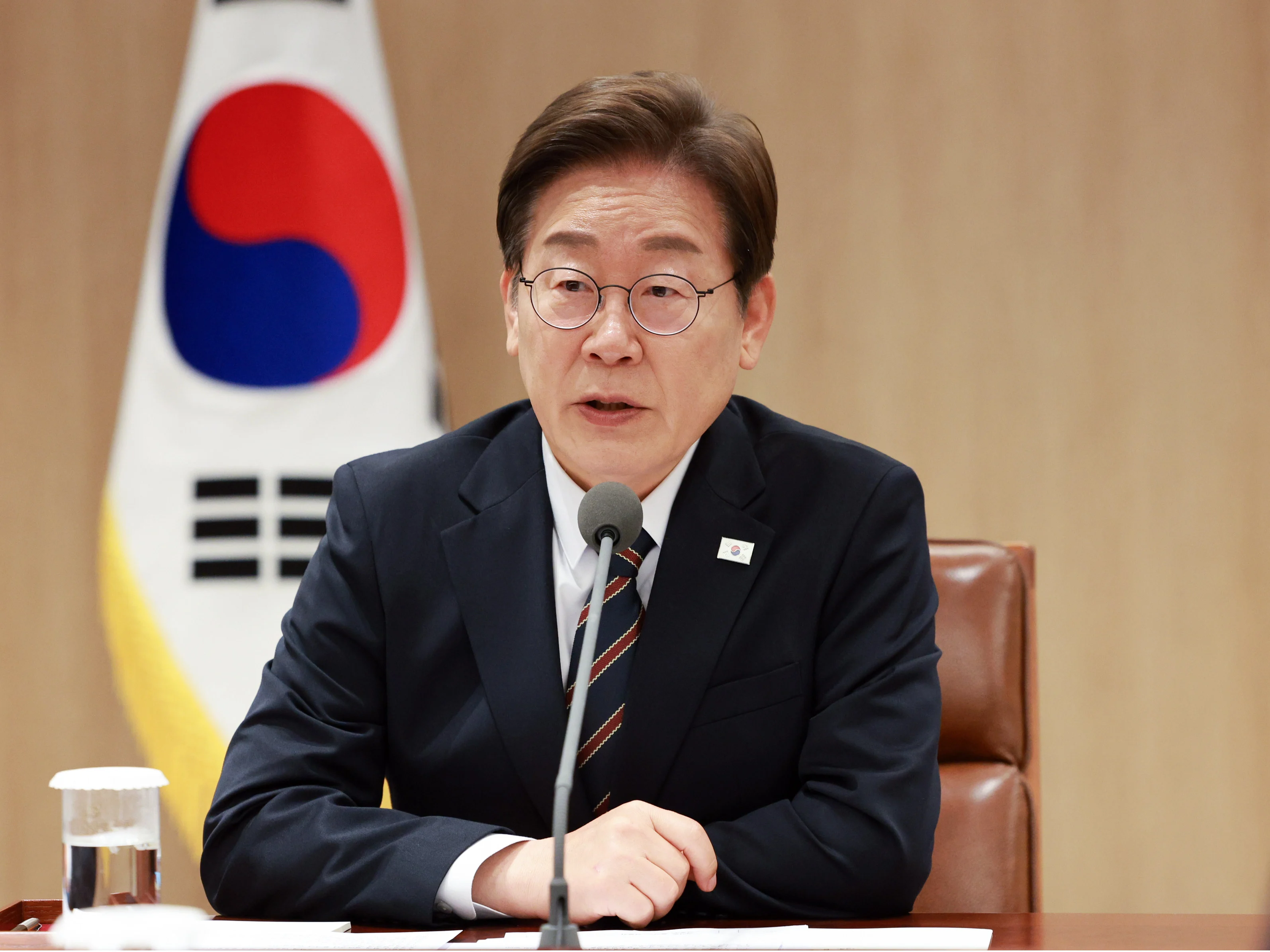
The ministry views licence renewal as a way to modernise a regulatory structure developed decades ago. Another ministry official, Kim Na-na, said any adjustment to the fund contribution would consider the industry’s operating conditions and be discussed with relevant stakeholders.
A Recovering Market Can Still Contain Weak Operators
South Korea’s casino industry generated approximately KRW3.70 trillion in gross gaming revenue in 2025, up 14.6% year-on-year and 26.1% above 2019.
Foreigner-only casinos produced KRW2.26 trillion, representing growth of around 21.6%, while visits to those properties increased by 18.7% to almost 3.49 million.
These figures support the government’s view that the sector has recovered strongly at an aggregate level.
However, aggregate growth does not mean every casino is profitable. Major integrated resorts and market-leading operators may be growing while smaller properties continue struggling with fixed costs, debt, marketing expenses and limited international customer reach.
Both sides of the debate can therefore be correct: the overall market may be expanding while individual operators remain financially vulnerable.
The Five-Year Licence May Be the Bigger Concern
The proposed levy increase has attracted most of the attention, but the five-year licence renewal requirement could have a greater long-term impact.
Casino resorts make investment decisions across periods far longer than five years. Hotels, arenas, convention centres and entertainment facilities may require decades to generate acceptable returns.
Short licence periods can increase the cost of financing because lenders and investors must price in regulatory renewal risk. They may also encourage operators to reduce capital expenditure as a licence approaches expiration.
Kwon Kyung-sang, a former senior ministry official, acknowledged this risk and called for clear criteria and sufficient transitional arrangements should the renewal system return. He also suggested distinguishing between casinos open to Korean residents and foreigner-only casinos.
A More Balanced Reform Model
South Korea does not necessarily have to choose between stronger regulation and industry competitiveness.
A more balanced framework could include:
Longer licence periods with regular compliance reviews. A licence of 10 to 15 years would provide greater investment certainty, while annual or periodic reviews could still monitor responsible gambling, financial stability and regulatory compliance.
A targeted progressive levy. The proposed 15% rate could apply only to revenue above a clearly defined threshold, protecting smaller operators while allowing larger and more profitable resorts to contribute more.
Reinvestment incentives. Operators could receive credits for qualifying expenditure on non-gaming facilities, tourism marketing, employee development or regional infrastructure.
Transparent fund allocation. Clearly showing how casino contributions support tourism promotion, local development and industry competitiveness could improve acceptance of the levy.
Transitional protection. Existing projects should receive sufficient time to adjust, particularly where investments were made under the current permanent licensing framework.
The Wider Competitive Question
Korea’s casino model depends heavily on attracting foreign customers. Its operators compete against integrated resorts in Macau, Singapore and the Philippines, while MGM Osaka is scheduled to add a major new regional competitor around 2030.
This means casino regulation cannot be considered solely as a domestic taxation issue. It also influences Korea’s ability to attract tourism spending, international investment and premium customers.
Stronger oversight may be justified, particularly around ownership, transparency and continued licence suitability. However, regulation that creates excessive uncertainty could weaken the very tourism investments the government hopes to support.
The most effective reform would therefore not simply extract more revenue from successful casinos. It would create a predictable system that rewards responsible operators, protects public interests and encourages continued investment in Korea’s wider tourism economy.