
 Content Writer: Janice Chew • Friday, 26/07/2026 - 20:36:51 - PM
South Korea’s foreigner-only casino sector delivered a stronger first half of 2026, with Jeju Dream Tower, Paradise Co and Grand Korea Leisure all reporting year-on-year growth.
Together, the three operators generated around US$626 million in reported casino sales or revenue during the first six months of the year. The results show that Korea’s casino recovery is not driven by one property alone. It is becoming a broader market trend supported by international tourism, stronger visitation, improved China relations and more active table-game demand.
Jeju Dream Tower: The Fastest Growth Story
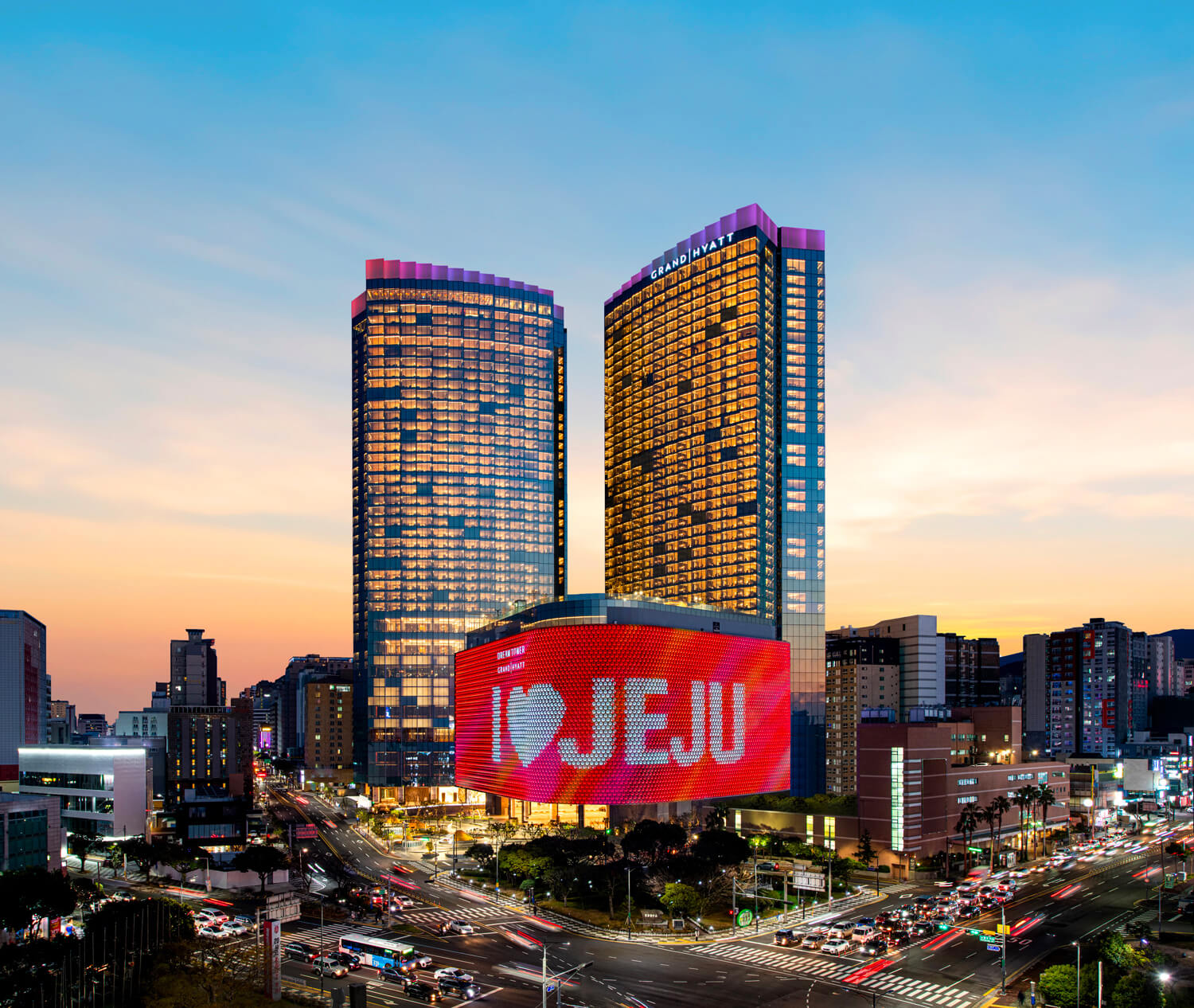
Jeju Dream Tower continued to show strong momentum in June, with casino sales reaching KRW48.7 billion, up 36.1% year-on-year.
For the first half of 2026, Jeju Dream Tower’s casino sales reached KRW265.7 billion, or around US$170 million, representing 36.6% growth compared with the same period last year.
This is an important result because Jeju Dream Tower opened during a difficult COVID-era period and took time to gain traction. Its recent performance suggests the property has moved beyond the early ramp-up stage and is becoming a stronger destination casino.
The growth has been supported by improved international tourism to Jeju Island, especially from mainland China, helped by friendlier travel conditions and better regional relations.
Paradise Co: Still the Largest Revenue Base
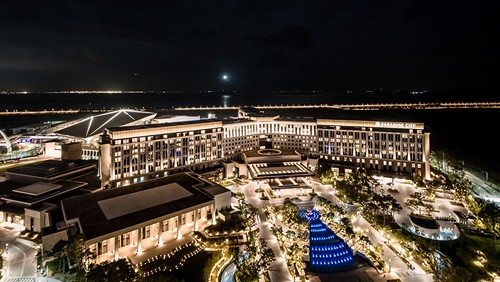
Paradise Co remained the largest of the three operators by first-half casino revenue, reporting KRW477.6 billion, or around US$308 million, in 1H26.
This represented a 5.1% year-on-year increase.
Paradise operates four foreigner-only casinos, including Paradise City in Incheon, one of Korea’s most important integrated resort assets.
However, June was weaker for the company. Casino revenue declined year-on-year and month-on-month, even though casino drop amount was still higher than the same period last year. This suggests that the issue may not only be demand, but also table performance, hold rate or customer mix during the month.
The good news is that Paradise had already built a strong base from earlier months, and its overall first-half performance remained positive.
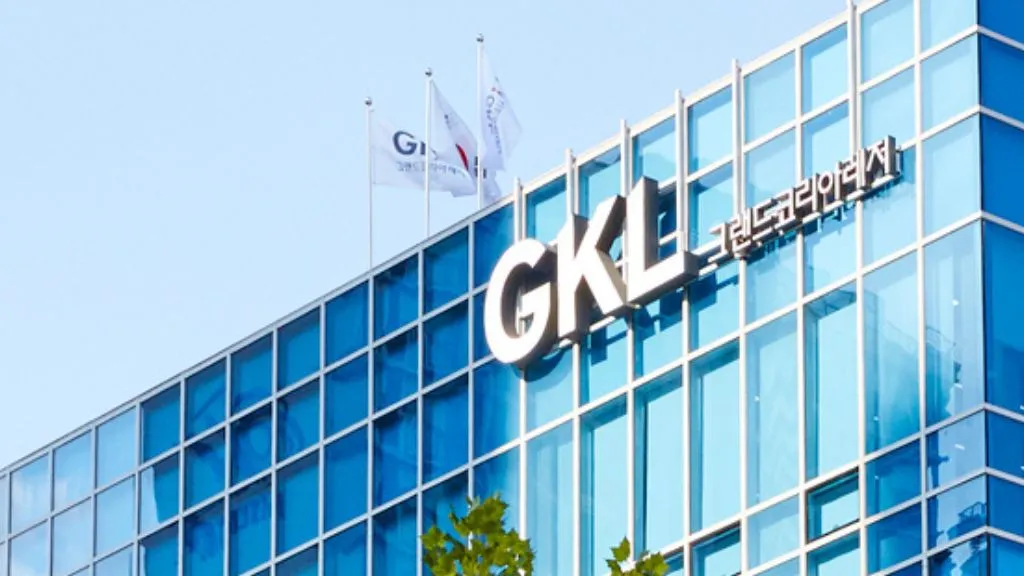
Grand Korea Leisure: Steady Growth from Seven Luck
Grand Korea Leisure also reported solid first-half growth.
Its casino revenue reached KRW227.2 billion, or around US$148 million, in the six months to 30 June 2026. This was an 8.2% year-on-year increase.
The improvement was supported by a 13.9% rise in casino drop amount to KRW1.98 trillion.
GKL operates the Seven Luck casino brand and is linked to the Korea Tourism Organization, with a public-sector role in supporting tourism revenue.
Its June revenue was up year-on-year but down from May, showing a similar pattern to Paradise: the first-half trend remains positive, but monthly performance can still be uneven.
What the Three Results Tell Us
The combined message is clear: Korea’s foreigner-only casino market is recovering, but the recovery is not perfectly smooth.
Jeju Dream Tower is showing the strongest growth rate.
Paradise Co remains the largest revenue contributor.
GKL is delivering steady improvement with better drop volume.
This means Korea is benefiting from returning foreign visitors, but operators still need to manage volatility in monthly casino performance.
In casino operations, revenue can move sharply depending on hold rate, VIP play, table activity and customer mix. That is why operators should not judge performance based on one month alone. The stronger first-half trend is more meaningful.
China Tourism Is a Key Factor
A major driver behind Korea’s casino momentum is the improvement in inbound tourism, especially from China.
Foreigner-only casinos depend heavily on international visitors. When Chinese travel demand improves, Korean casino operators often benefit.
Jeju Dream Tower is especially exposed to this trend because Jeju is a popular leisure destination for Chinese travellers. GKL also mentioned improving relations with China and eased visa rules as supportive factors.
This shows how closely casino performance is linked to tourism policy, air connectivity and diplomatic conditions.
The Marketing Lesson
Korean casino operators should not rely only on gaming promotions.
The stronger long-term strategy is to package casino visits with complete destination experiences.
For Jeju Dream Tower, this means combining casino play with Jeju’s island tourism, luxury hotel stays, restaurants, wellness, shopping and entertainment.
For Paradise City, the opportunity is to strengthen its integrated resort positioning around Incheon, airport connectivity, entertainment, events and premium hospitality.
For GKL, the Seven Luck brand can benefit from Seoul’s tourism appeal, K-culture, shopping, food, medical tourism and business travel.
The goal should be to attract visitors before they even think about casino gaming. The destination must be the hook, and the casino becomes part of the total experience.
Original Insight: Korea’s Casino Recovery Is Becoming Destination-Led
The most important insight is that Korea’s casino growth is no longer only about reopening after COVID.
It is becoming destination-led.
Jeju is benefiting from its island tourism appeal.
Paradise City benefits from its integrated resort model and proximity to Incheon.
GKL benefits from its connection to Korea’s tourism infrastructure.
This matters because Japan’s upcoming MGM Osaka integrated resort will create stronger regional competition. Korea’s operators must build stronger non-gaming appeal before Japan’s IR market becomes fully active.
The future competition will not only be casino versus casino. It will be destination versus destination.
What Operators Should Focus On Next
To maintain momentum, Korean operators should focus on five areas.
First, strengthen international marketing, especially across China, Japan, Southeast Asia and premium regional travel markets.
Second, build stronger non-gaming experiences so visitors stay longer and spend across more categories.
Third, improve digital engagement before, during and after the trip.
Fourth, use data to manage customer value, campaign performance and loyalty conversion.
Fifth, work closely with tourism partners, airlines, hotels and government agencies to make Korea more competitive as a regional entertainment destination.
Final Takeaway
The first half of 2026 shows strong momentum for South Korea’s foreigner-only casino sector.
Jeju Dream Tower delivered the fastest growth, Paradise Co remained the largest operator by revenue, and Grand Korea Leisure showed steady improvement.
However, the market is still sensitive to monthly volatility, tourism flows and customer mix.
For Korea’s casino operators, the opportunity is clear: turn recovering visitor demand into stronger destination loyalty.
The winners will be those that combine gaming, hospitality, tourism, digital marketing and customer data into one connected growth strategy.