
 Content Writer: Janice Chew • Monday, 26/08/2026 - 23:10:26 - PM
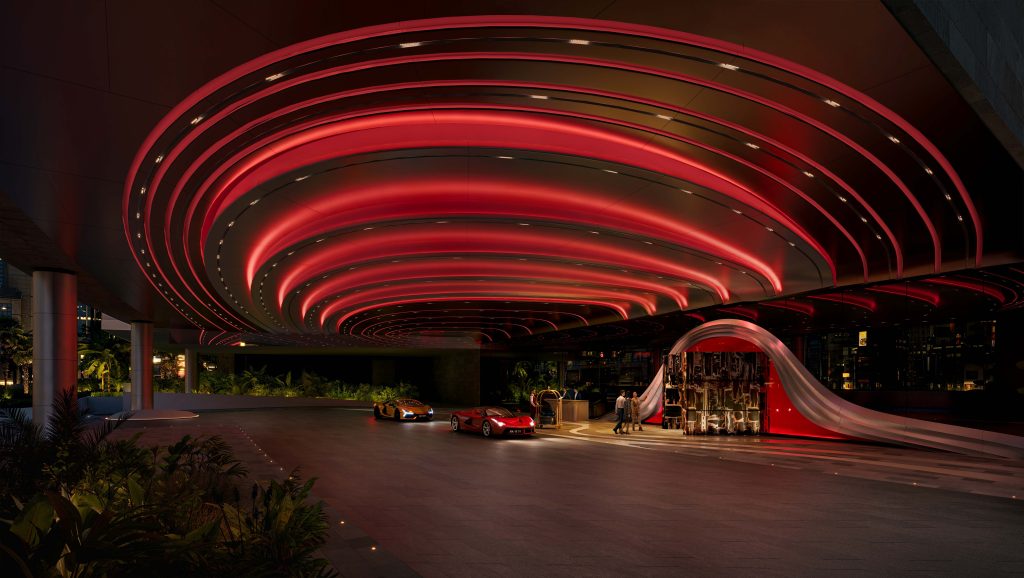
Melco Resorts & Entertainment is preparing for the official grand opening of REM at City of Dreams Macau in October 2026, adding another highly differentiated premium hotel product to an increasingly competitive Cotai market.
At the same time, Melco has pushed back the expected return of shareholder dividends to 2027, highlighting where management’s priorities currently sit: strengthening City of Dreams, reducing debt and investing in assets that can generate stronger long-term returns.
Taken together, REM, the wider City of Dreams redevelopment and the delayed dividend provide a clear picture of Melco’s strategy for the next phase of Macau’s integrated resort market.
REM Moves From Soft Opening to October Launch
REM has already begun welcoming guests ahead of its formal grand opening.
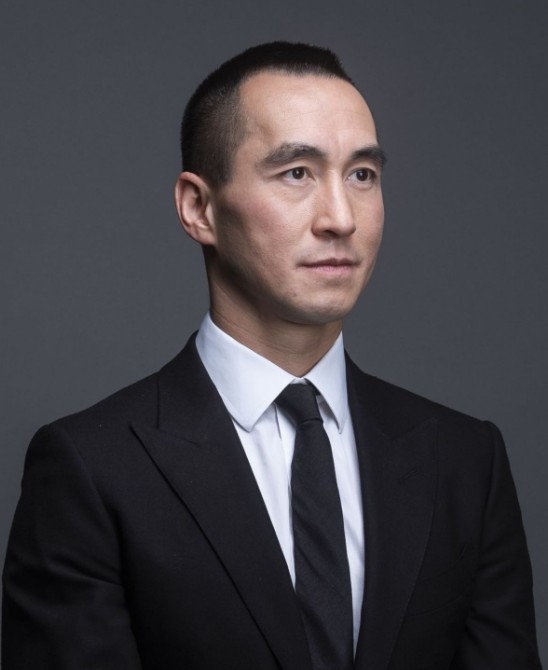
Melco Chairman and CEO Lawrence Ho said early feedback has been encouraging.
“We have soft-opened REM already and so far the reception has been great,” said Ho.
But Ho’s more important observation was about the positioning of the hotel.
Macau certainly does not suffer from a shortage of luxury accommodation. The challenge for operators is increasingly about creating something distinctive enough to stand out.
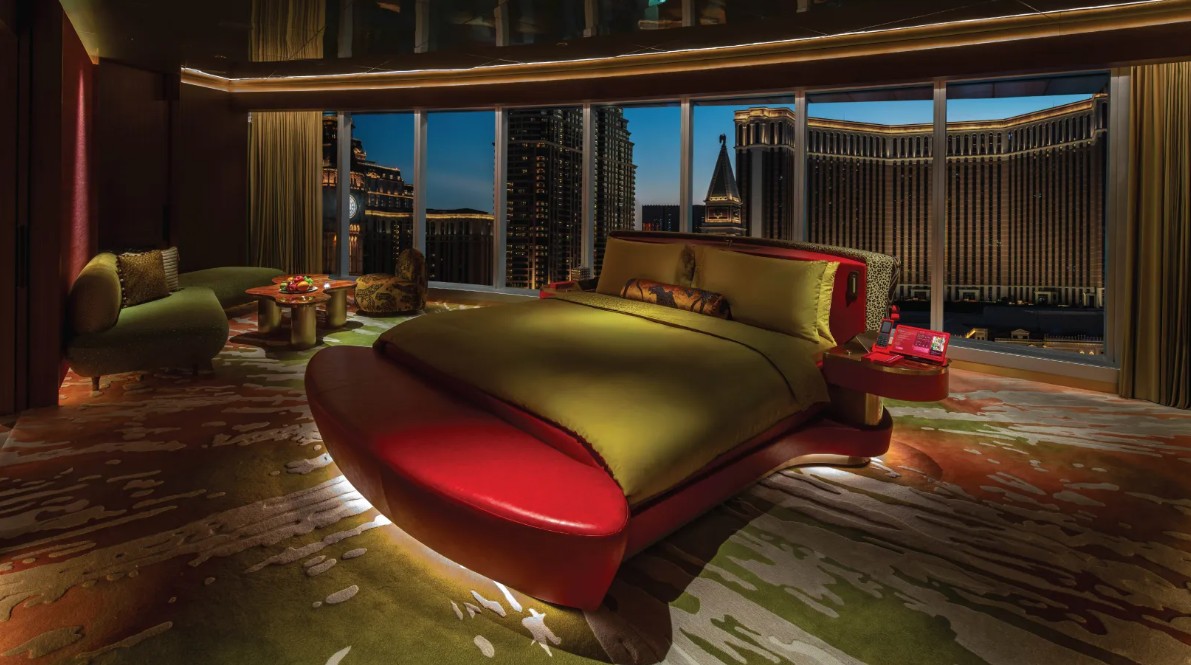
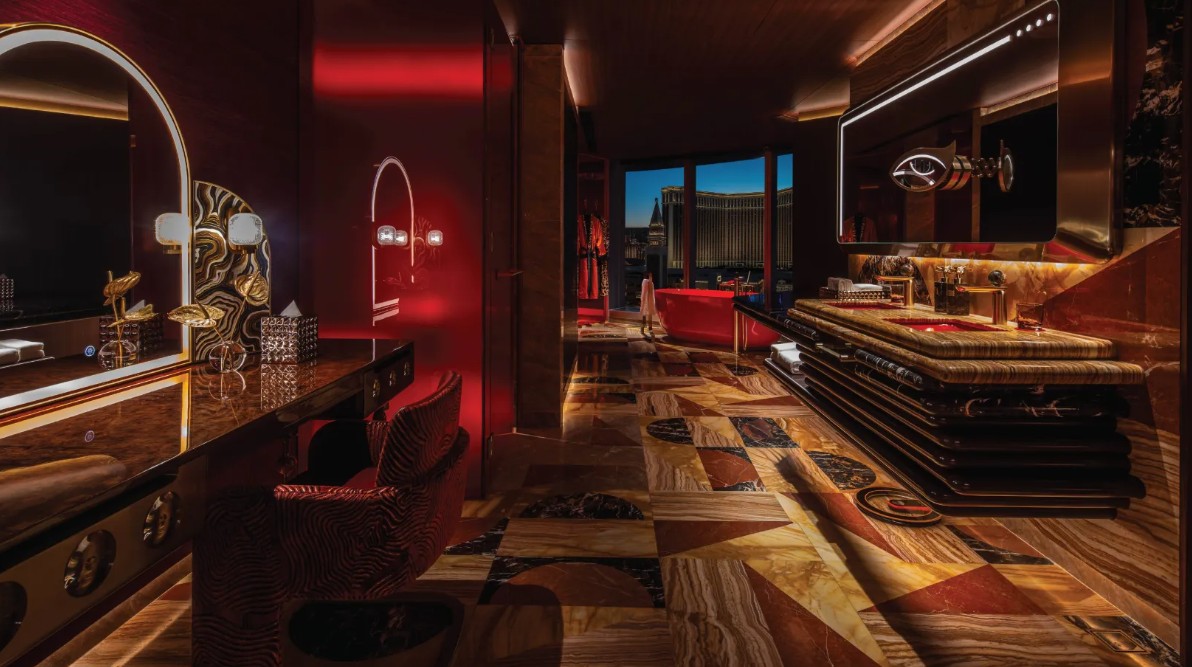
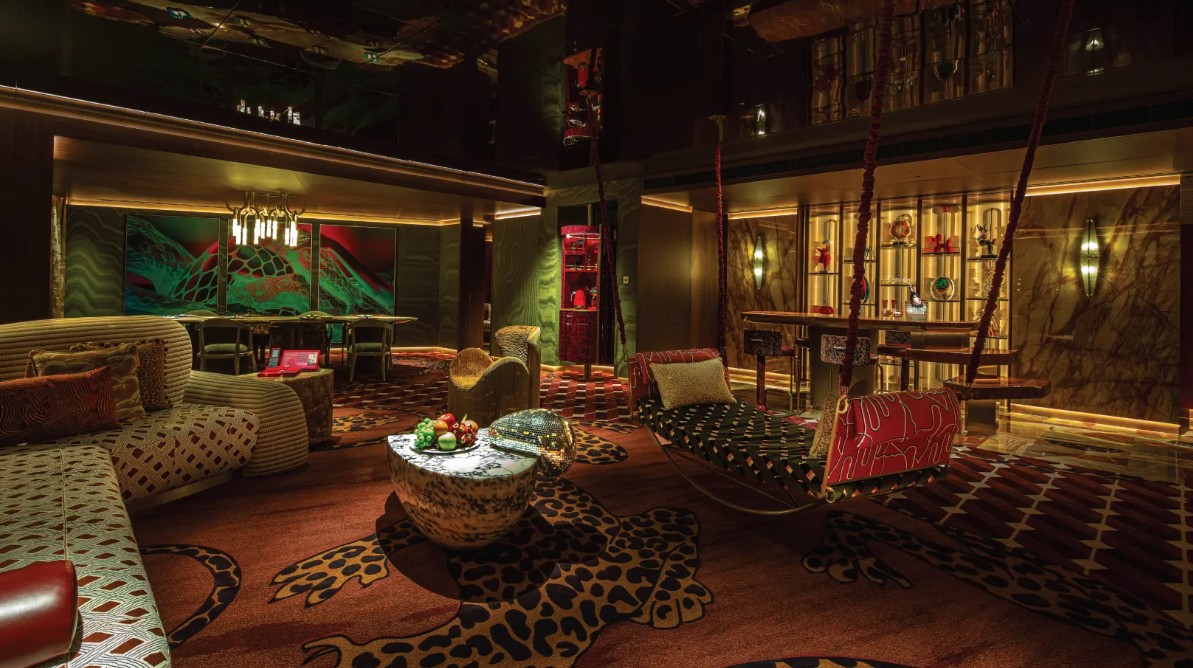
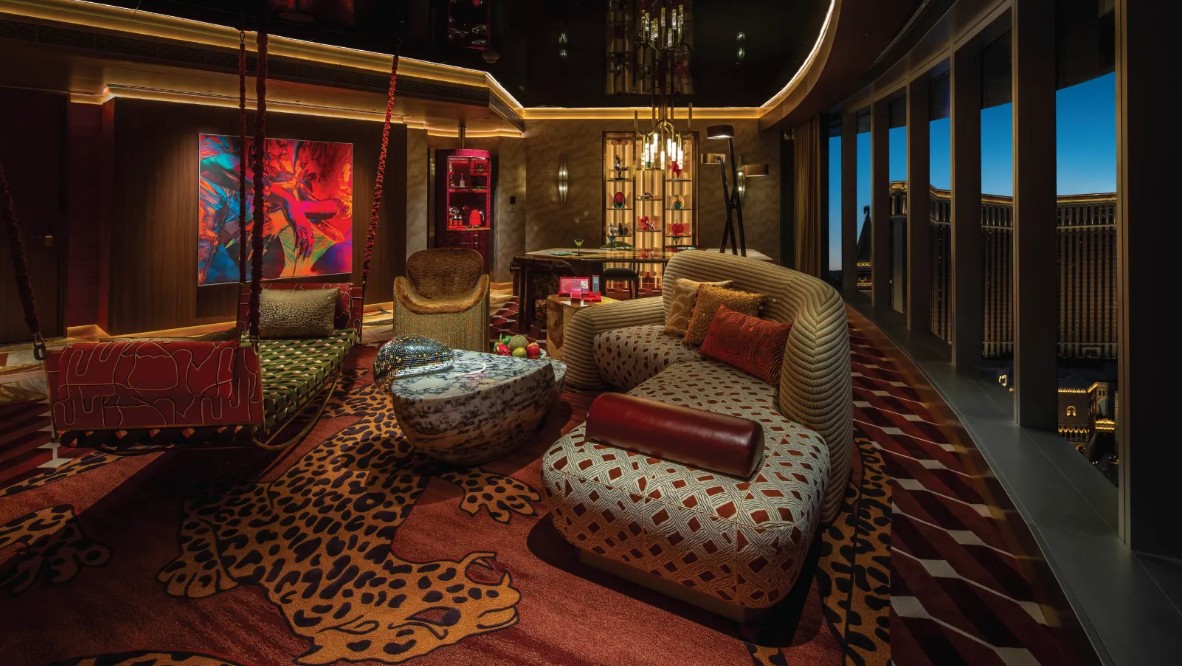
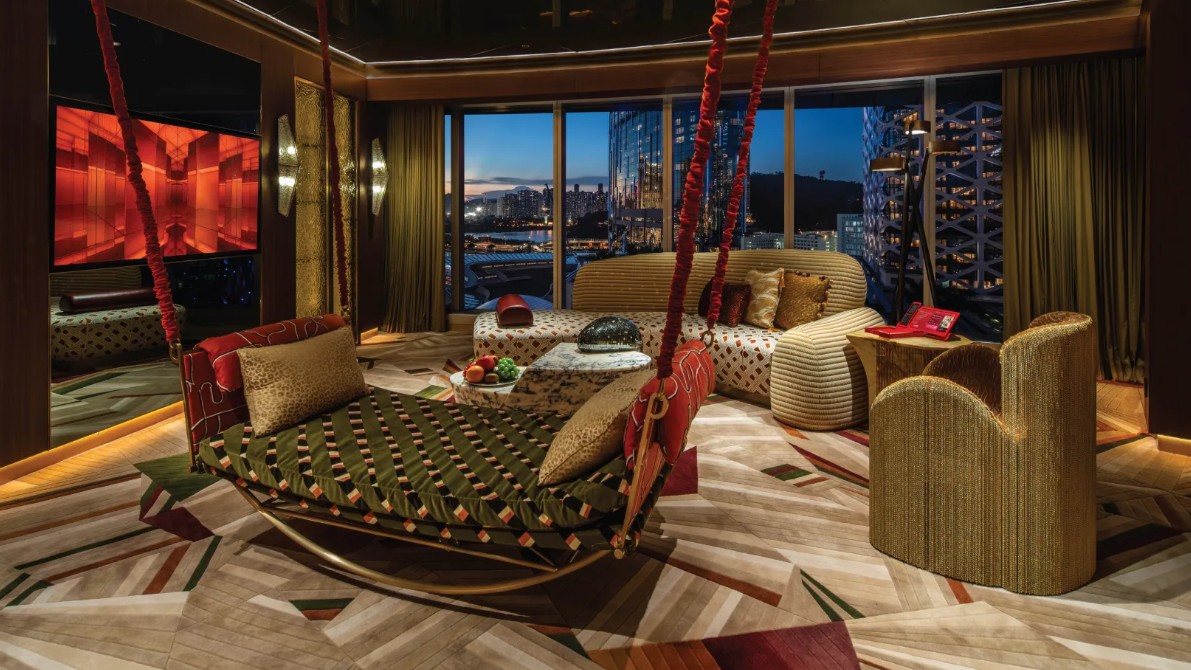
“Macau has some of the nicest hotels in the world and there is already an oversaturation in the luxury market but I think REM is unlike anything in Macau, in Asia and probably the world.”
Ho added:
“It’s a very unique product and a lot of fun. I think it’s luxury but highly differentiated from anything that’s in the market or even at City of Dreams. I think that complements our 5-star hotel offering very well, so we’re quite excited about REM.”
That distinction matters.
Melco is not attempting to compete simply by adding more luxury rooms. Instead, REM appears designed to fill a different niche within the City of Dreams ecosystem — one built around exclusivity, personality and experience.
The hotel has 149 rooms across seven room and suite categories, with its initial guests being welcomed under a private invitation programme.
This makes REM less like a conventional hotel reopening and more like a deliberate effort to create a new premium customer proposition.
The Bigger Transformation Is City of Dreams
REM is only one element of a much broader redevelopment of City of Dreams.
Melco has also been adding and repositioning gaming areas while undertaking a substantial redesign of the resort’s retail offering.
And management is not pretending that the transformation will be painless.
Ho warned that the retail reimaging would see Melco:
“suffer through some pain over the next few months”
with disruption continuing into the summer of 2027.
But management clearly believes the end result can significantly strengthen City of Dreams’ competitive position.
“But once it’s all completed … I think that it will probably position City of Dreams as the nicest property in all of Macau.”
Ho also explained that the new layout is about much more than cosmetic renovation.
“The redesign area will create a seamless loop across the property, introducing a more carefully curated mix of luxury offerings with differentiated elements.”
He added:
“The completion of this retail revamp will allow us to deliver the full integrated resort experience at City of Dreams that will be uniquely Melco.”
This may ultimately be the most important part of Melco’s strategy.
Integrated resorts depend heavily on customer movement. Poor circulation can leave restaurants, shops, entertainment venues or gaming areas disconnected from one another.
Creating a more natural loop through the property can increase customer exposure to different parts of the resort and potentially raise overall spend per visitor.
Why Melco Needs the Upgrade
The investment is also coming at a time when City of Dreams has faced some near-term pressure.
City of Dreams Macau generated US$632.2 million in operating revenue during 2Q26, compared with US$710.5 million a year earlier.
Adjusted EBITDA declined to US$147.8 million from US$225.6 million, with weaker rolling-chip and mass-market table performance contributing to the result.
Across Melco Resorts, second-quarter operating revenue came in at approximately US$1.25 billion, while Adjusted Property EBITDA was US$303.8 million.
Management also identified the FIFA World Cup as a temporary headwind, with customer attention and entertainment spending shifting toward sporting events during parts of June and July.
Against that background, REM and the broader City of Dreams transformation become more significant.
Melco is effectively rebuilding parts of the customer experience while simultaneously competing for market share.
Dividends Can Wait
For shareholders, however, another message from the earnings call was equally important.
Melco no longer expects to resume dividends in 2026. Management now anticipates reconsidering distributions in 2027.
Chief Financial Officer Geoff Davis made it clear that Melco does not want to restart dividends merely to make a symbolic gesture.
“We’re not interested in a nominal dividend.”
Instead, Melco has continued buying back shares when management believes the company's market valuation does not reflect the value of the underlying business.
From 1 April through 12 August 2026, Melco repurchased approximately 22.4 million ADSs for US$120.6 million.
For 2026 overall, management said repurchases had reached around 25 million ADSs for US$134 million.
Debt reduction nevertheless remains an important consideration.
At the end of June, Melco reported approximately US$7.05 billion in total debt, alongside liquidity of around US$2.8 billion.
The capital allocation message is therefore relatively clear: improve the assets, strengthen the balance sheet and return larger amounts of capital only when the company believes the financial position supports it.
Insight: Melco Is Competing on Yield, Not Room Count
REM provides a useful example of how competition among Macau integrated resorts is changing.
The old formula was relatively straightforward:
More rooms + more gaming capacity + more visitors = growth.
The current environment is considerably more sophisticated.
Operators increasingly need to ask:
How much total value can each customer generate across the resort?
REM appears designed around that question.
A differentiated premium hotel can potentially attract customers who spend not only on accommodation, but also on:
- gaming;
- premium restaurants;
- luxury retail;
- entertainment;
- nightlife; and
- personalised resort experiences.
The same thinking can be seen in the City of Dreams retail redevelopment.
Creating a seamless circulation loop is not merely an architectural decision. It can be a commercial optimisation strategy.
If guests naturally move between hotel, gaming, retail, dining and entertainment areas, Melco has more opportunities to capture spending throughout the customer journey.
That is what Ho means when he talks about delivering the “full integrated resort experience”.
The Risk: Renovating While Competing
There is nevertheless a difficult balancing act ahead.
City of Dreams must remain competitive while parts of the property are undergoing major redevelopment through 2027.
Construction can affect customer movement, ambience and accessibility — particularly important issues when competing for premium customers who have numerous alternatives in Macau.
Melco therefore has to tolerate some short-term pain without allowing customers to form a negative long-term perception of the property.
Execution will matter just as much as design.
What to Watch Next
The October 2026 grand opening of REM will be the first major milestone.
The important question will not simply be whether the hotel achieves strong occupancy.
A better measure of success will be whether REM:
attracts incremental premium customers, increases total resort spending and strengthens City of Dreams rather than merely moving existing Melco customers between hotels.
The next milestone comes in 2027, when the broader City of Dreams transformation should become considerably clearer and Melco is also expected to reconsider dividends.
For now, management appears willing to accept temporary disruption and delayed shareholder distributions in pursuit of something bigger.
If Lawrence Ho's ambition is realised, City of Dreams will not simply emerge with another renovated hotel.
It could emerge as a much more integrated, differentiated and commercially productive resort.
And that is ultimately a far more important objective than simply adding another luxury property to Macau’s already crowded market.