 Content Writer: Janice Chew • Wednesday, 26/02/2026 - 23:52:31 - PM
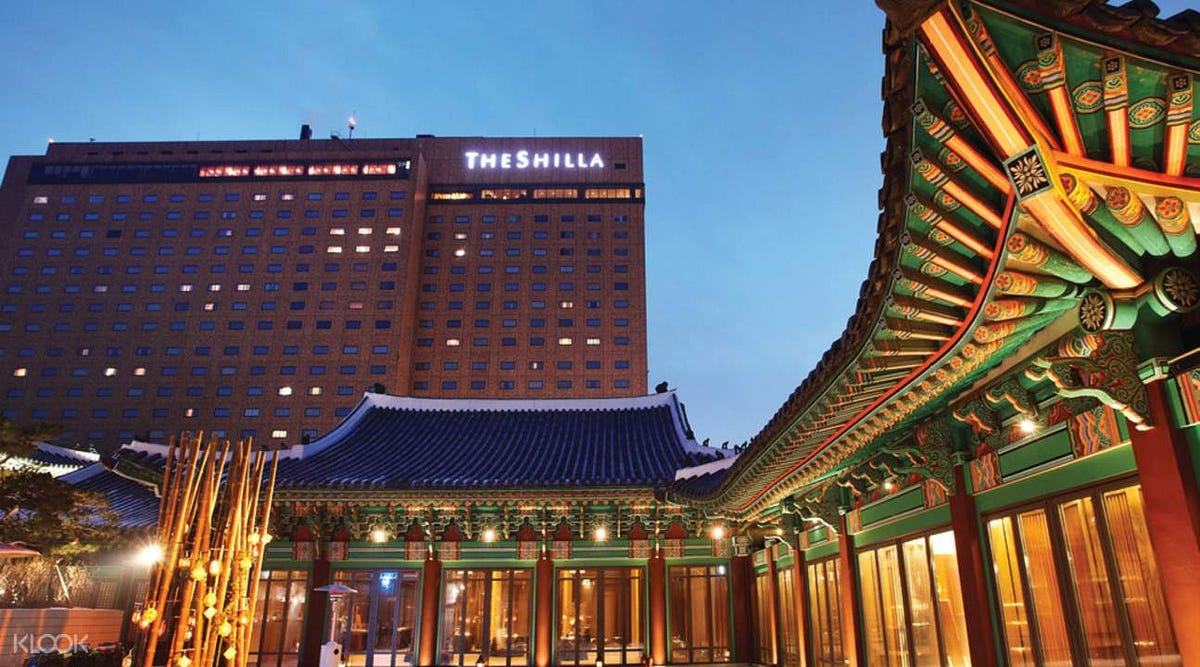
South Korea’s leading foreigner-only casino operator, Paradise Co Ltd, has appointed a senior hospitality executive from Hotel Shilla — a move that may appear operational on the surface, but strategically signals a deeper transformation within Korea’s integrated resort (IR) sector.
This isn’t just a staffing change.
It is a repositioning move.
The Bigger Strategic Story: From Casino Operator to Luxury Ecosystem
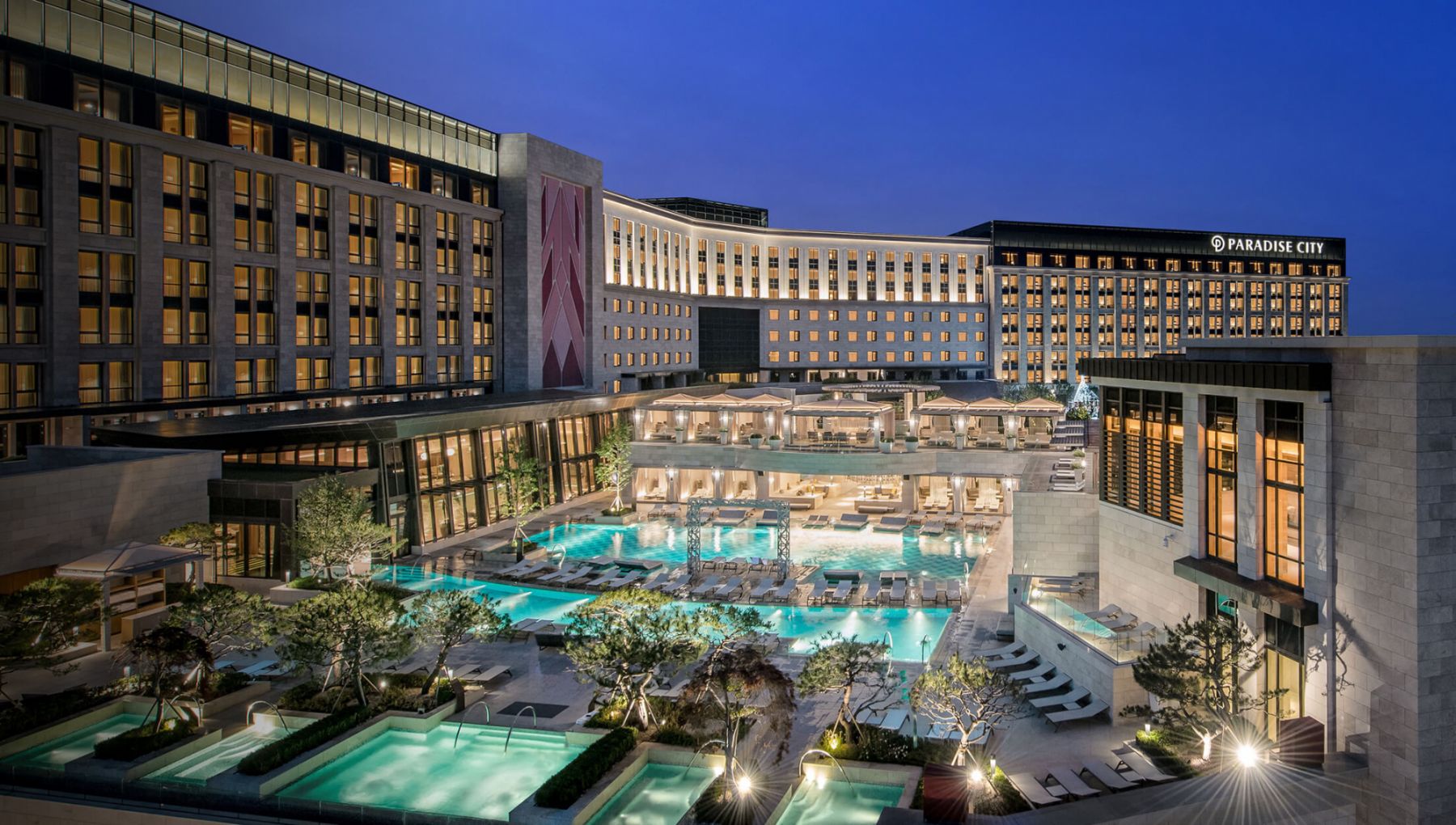
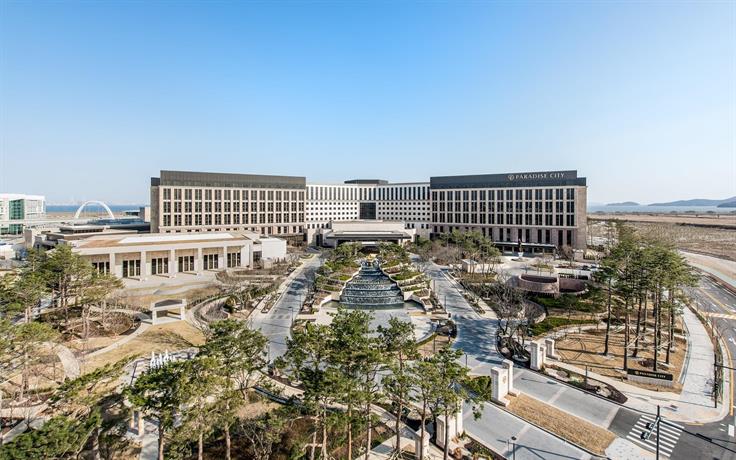
Paradise Co’s flagship property, Paradise City, was always designed as more than a casino.
It integrates:
-
5-star hotels
-
Contemporary art installations
-
Michelin-level F&B
-
Retail and entertainment zones
-
Convention and MICE facilities
However, South Korea’s casino model is structurally different from Macau and Singapore:
-
Only foreigners can gamble (except Kangwon Land)
-
Revenue depends heavily on inbound tourism
-
VIP players are highly sensitive to experience quality
This makes hospitality excellence not optional — but critical.
Hiring a Shilla veteran suggests Paradise is upgrading its competitive edge in:
-
Service consistency
-
Premium guest personalization
-
Ultra-high-net-worth conversion
-
International luxury branding
Why This Matters Now (Timing Analysis)
The timing of this move is significant.
1️⃣ China Travel Recovery Is Uneven
Chinese outbound tourism has not fully returned to pre-pandemic levels. Operators must maximize yield per visitor rather than rely on volume recovery.
2️⃣ Japan’s IR Development Is Progressing
Osaka IR will reshape regional competition. Korea must solidify its premium positioning before Japan enters full-scale operations.
3️⃣ Non-Gaming Revenue Is Becoming Core Strategy
Across Asia-Pacific, IR operators are being evaluated not just on GGR (Gross Gaming Revenue), but on total integrated revenue contribution.
Paradise is aligning early.
Competitive Comparison: Korea vs Macau vs Singapore
| Market | Core Strength | Current Risk | Strategic Focus |
|---|---|---|---|
| Macau | Scale & Mass VIP | Mainland policy shifts | Non-gaming diversification |
| Singapore | Ultra-luxury positioning | Capacity constraints | High-end reinvestment |
| Korea | Premium foreigner market | Tourist volatility | Hospitality differentiation |
Paradise’s move pushes Korea closer to Singapore’s luxury-led model rather than Macau’s volume-led model.
Operational Implications
Bringing in a Shilla executive may lead to:
🔹 Higher ADR Strategy
Premium room pricing aligned with global luxury benchmarks.
🔹 VIP Journey Optimization
Seamless casino-to-suite-to-F&B cross-selling.
🔹 Global Brand Partnerships
Luxury retail collaborations and experiential upgrades.
🔹 Service Standardization
Shilla’s operational discipline could improve consistency across properties.
Investment Angle: What Investors Should Watch
If you’re tracking Paradise Co or Korea’s IR market, monitor:
-
Hotel occupancy vs gaming revenue ratio
-
Average daily room rate (ADR) shifts
-
Non-gaming revenue contribution %
-
Chinese & Japanese inbound trends
-
EBITDA margin improvement after hospitality restructuring
If hospitality margins rise faster than gaming volatility, the strategy is working.
Final Analysis: A Defensive Yet Offensive Move
Paradise Co is not reacting.
It is preparing.
By strengthening its hotel leadership bench through a Shilla Group veteran, the company is signaling that the future of Korea’s IR model lies in:
Experience density, not just gaming density.
In a region where Singapore reinvests billions and Macau diversifies under regulatory pressure, South Korea must win on refinement.
Paradise just made its opening move.