
 Content Writer: Janice Chew • Wednesday, 25/11/2025 - 22:16:24 - PM
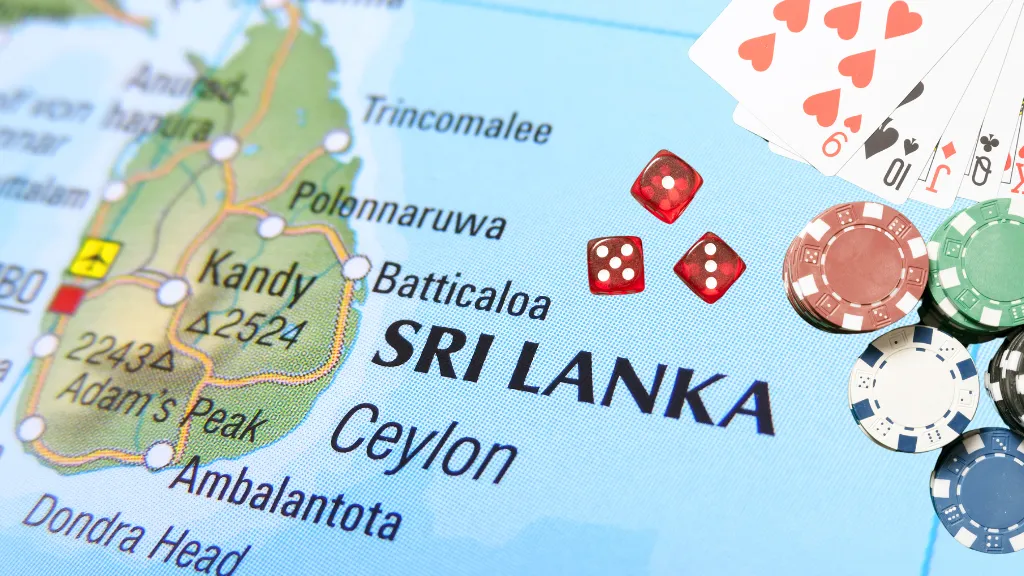
The government of Sri Lanka has officially gazetted the implementation of the Gambling Regulatory Authority Act, No. 17 of 2025, setting the “appointed date” as 1 December 2025. This marks a major step in overhauling the country’s gaming and betting regime, with the law having been certified by the Speaker on 3 September 2025.
Under the new Act, a single independent body — the Gambling Regulatory Authority (GRA) — will take charge of supervising land-based casinos, online gaming, offshore operations (including ships and the Colombo Port City), and all betting activities. The legislation repeals several prior laws such as the Betting on Horse‑Racing Ordinance, the Gaming Ordinance, and the Casino Business (Regulation) Act No. 17 of 2010.
A key driver behind the reform is tax revenue. Officials estimate that 60-70 % of casino users are now engaging via online platforms, while only 30-40 % attend physical resorts, leaving a large part of the sector outside current oversight and tax collection. Additionally, Sri Lanka is preparing for an upcoming assessment by the Financial Action Task Force (FATF) on anti-money laundering and counter-terrorism financing compliance — making the regulator’s establishment particularly timely.
However, while the Act becomes law on 1 December, the GRA itself is not expected to be fully operational until 30 June 2026, according to parliamentary committee projections. During this interim period, operators and stakeholders will need to prepare for new compliance obligations, licensing regimes, and regulatory frameworks under the new consolidated authority.
In summary, Sri Lanka has taken a decisive step to modernise and centralise regulation of its gambling sector. The game-changer is the establishment of the GRA, effective from December, but the real test lies in enforcing the framework and achieving robust oversight over the next 12 months.