
 Content Writer: Janice Chew • Tuesday, 26/04/2026 - 14:04:49 - PM
Macau’s gaming sector is entering a more disciplined, efficiency-driven phase—and SJM Holdings is positioning itself right at the center of that shift. According to Chairperson Daisy Ho, 2026 represents an “important inflection point” for the group, where years of restructuring begin translating into tangible margin and return improvements.
This is not just another optimistic outlook—it reflects a deep operational transformation that has been quietly unfolding behind the scenes.

2025 Was Painful—But Necessary
Let’s be clear: the numbers from 2025 don’t look impressive on the surface.
- Loss attributable to owners: HK$429 million
- Gross Gaming Revenue (GGR): HK$28.62 billion (relatively stable)
- Adjusted EBITDA: HK$3.2 billion
So what happened?
SJM made a strategic sacrifice—closing multiple satellite casinos under Macau’s revised regulatory framework. This caused:
- Short-term revenue disruption
- Reduced footprint in lower-margin operations
- Transitional cost pressures
But this was a deliberate move away from a fragmented, less controllable business model.
The Real Strategy: Owning the Economics
The core shift is simple but powerful:
Move from satellite-dependent revenue → to directly operated, higher-margin assets
Why this matters (from an operator + investor lens):
1. Better Margin Control
- Satellite casinos dilute margins due to revenue-sharing structures
- Direct operations allow full capture of gaming yield
2. Stronger Brand & Experience Control
- Product, service, and customer segmentation become consistent
- Enables premium mass strategy execution
3. Improved Capital Efficiency
- Resources (tables, slots, staff) are redeployed where ROI is highest
Table Redeployment = Hidden Profit Lever
One of the most underrated strategic moves is table reallocation.
SJM has:
- Pulled tables from closed satellite venues
- Reallocated them into owned properties across Peninsula and Cotai
Why this is a big deal:
Gaming tables are a regulated, finite resource in Macau.
So instead of increasing supply, SJM is:
- Optimizing yield per table
- Targeting premium mass over low-value volume
- Improving win per unit footprint
This is classic yield management, similar to airline seat optimization—but for casino floors.
Asset Upgrades: Quietly Building a Stronger Portfolio
SJM is not just restructuring—it’s upgrading.
Peninsula Focus
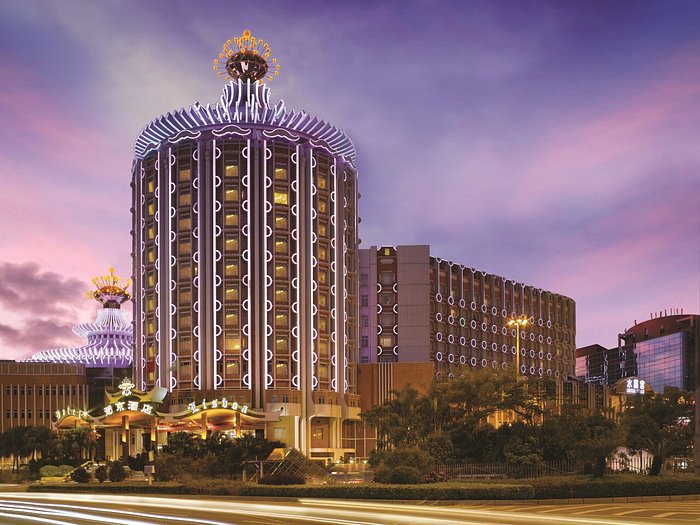
- Hotel Lisboa:
- 400+ refurbished rooms launching in 2H2026
- New gaming areas phased in
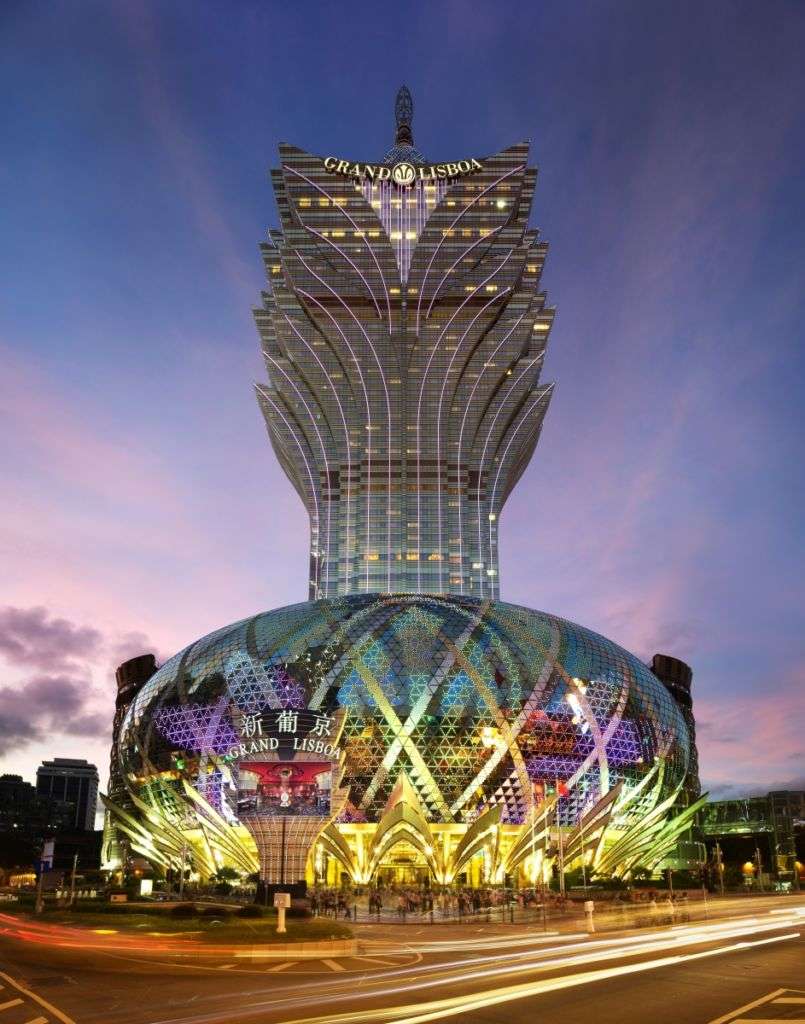
- Grand Lisboa Macau:
- Expanding room inventory
- Enhancing premium facilities
Cotai Play (Critical for Growth)
- Grand Lisboa Palace:
- Increased table capacity post-satellite transition
- New VIP zones (Sky Phoenix West Tower)
- Dragon Pavilion repositioned for premium mass

This signals a clear pivot toward higher-value segments, not just volume recovery.
The New Operating Model: Leaner, Smarter, More Profitable
Daisy Ho highlighted a “new operating framework”—this is where things get interesting.
What’s actually changing:
- Cost discipline
- Leaner operations after satellite exits
- Centralized control
- Direct management of gaming floors
- Customer quality focus
- Shift toward premium mass (higher margin, lower volatility than VIP)
SJM is moving from “spread wide” → to “focus and optimize.”
Industry Context: Why Timing Matters
This transformation is happening at the right time.
Macau’s recovery phase is evolving:
- Mass and premium mass segments are driving growth
- VIP junket model remains structurally weaker post-regulation
- Operators are competing on experience, service, and yield—not just scale
SJM’s repositioning aligns perfectly with this new Macau reality.
Strategic Take
From an industry veteran perspective, this is what really stands out:
What SJM is doing right:
- Fixing structural inefficiencies, not just chasing revenue
- Prioritizing margin quality over topline growth
- Leveraging existing assets more intelligently
Execution Risks:
- Speed of premium mass ramp-up
- Ability to compete with entrenched Cotai leaders
- Maintaining cost discipline during reinvestment
Final Thought: Inflection Point or Just Stabilization?
2026 could indeed be a turning point—but not because of explosive growth.
Instead, this is about:
Higher-quality earnings, better margins, and a more sustainable business model
If SJM executes well, the narrative will shift from:
- “Legacy operator trying to catch up”
to - “Disciplined operator with improving returns”
And in today’s Macau market—that’s where real value is created.