
 Content Writer: Janice Chew • Friday, 26/05/2026 - 16:43:33 - PM
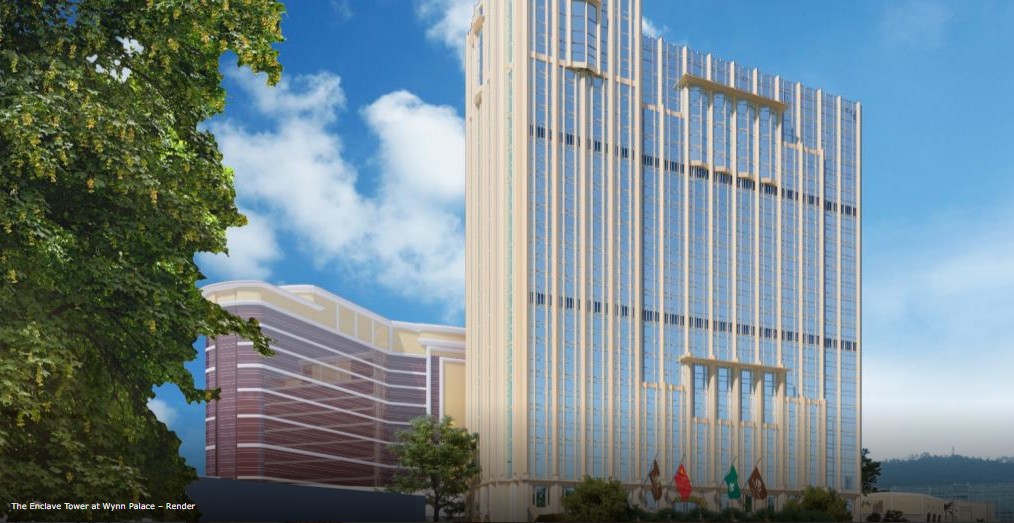
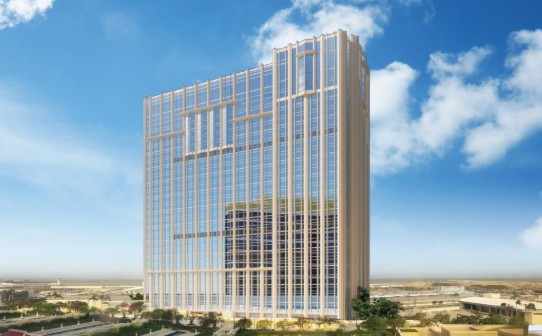
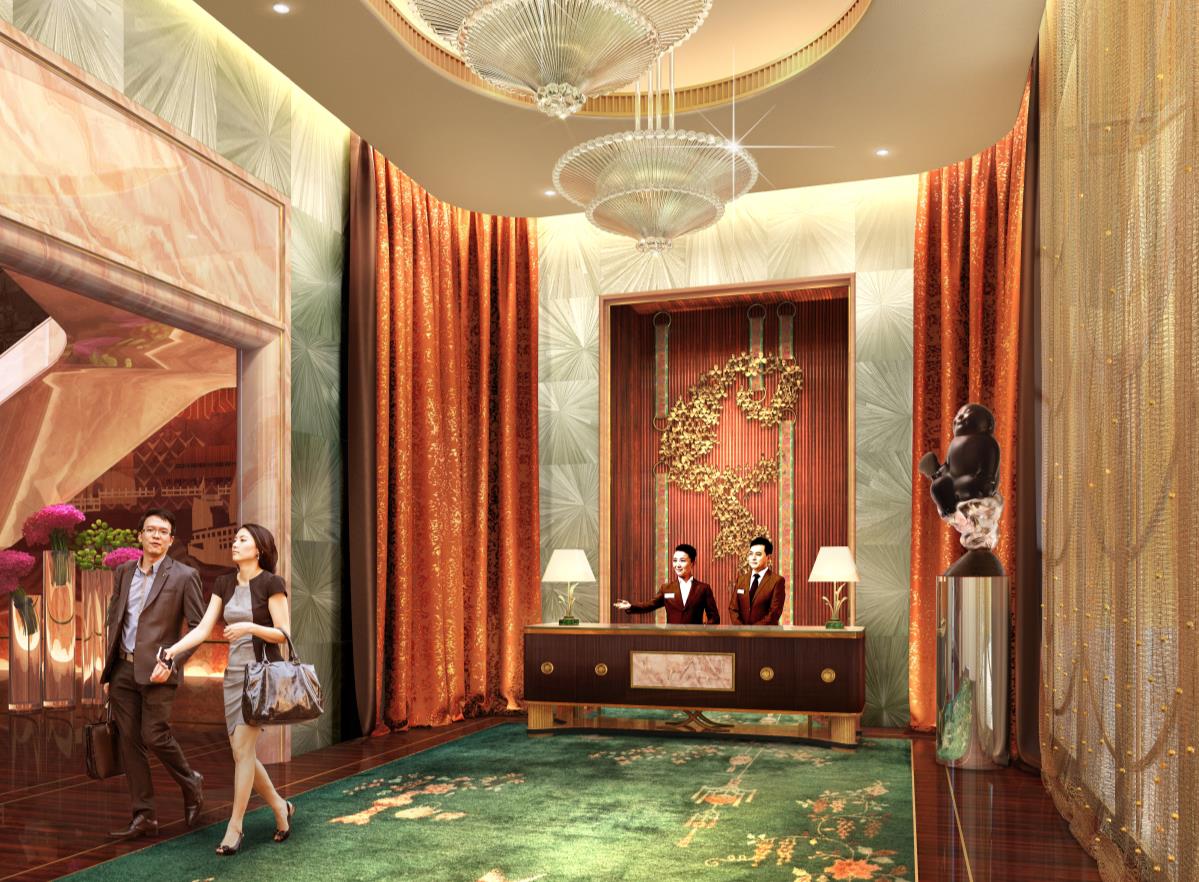
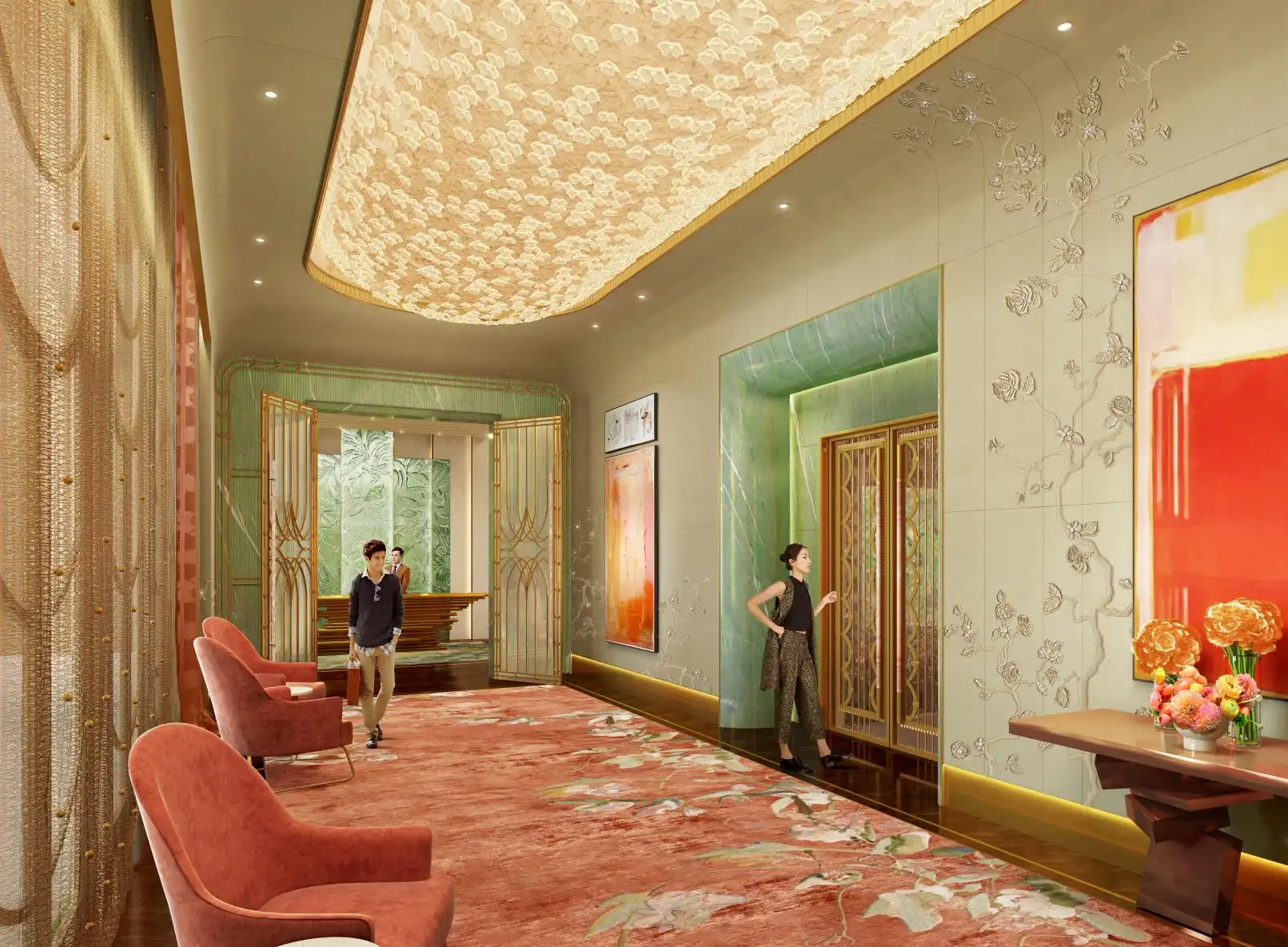
Wynn Resorts is doubling down on Macau’s premium future with plans to develop a brand-new 432-key all-suite luxury hotel tower, The Enclave, adjacent to Wynn Palace.
The project, expected to cost between US$900 million and US$950 million, will increase Wynn Palace’s total room inventory by around 25% while boosting its suite offering by an impressive 50%. Construction is slated to begin later this year pending final government approvals, with opening targeted for early 2029.
What makes this announcement particularly interesting is that Wynn is not building this tower based on hope — it is building based on existing demand.
According to Wynn Resorts CEO Craig Billings, Wynn Palace achieved hotel occupancy of 99.1% during 1Q26, while Wynn Macau reached 99.7% occupancy. In simple terms, Wynn is effectively running full almost every day.
As Billings bluntly stated during the earnings call:
“When you’re at 99% occupancy, you’re not making a speculative bet by adding rooms.”
That statement may actually summarize the current state of Macau’s premium hospitality market better than any analyst report.

Macau’s Premium Segment Is Becoming the Real Battleground
For years, Macau’s growth narrative focused heavily on gaming tables and GGR market share. But the industry is increasingly evolving into a battle for premium lifestyle positioning.
Today’s premium customer is not just looking for a hotel room.
They are looking for:
- Ultra-luxury suites
- Privacy and exclusivity
- Personalized service
- Integrated entertainment
- Wellness experiences
- Prestige-driven hospitality
This is why Wynn’s decision to build an all-suite tower is strategically important.
Suites generate significantly higher customer value, particularly in premium mass and high-end segments where guests spend across multiple verticals including gaming, dining, retail and entertainment.
Interestingly, Wynn’s strategy here appears highly capital efficient.
Billings noted that The Enclave will feature:
- No gaming floor
- Minimal food and beverage outlets
- Strong integration into existing Wynn Palace facilities
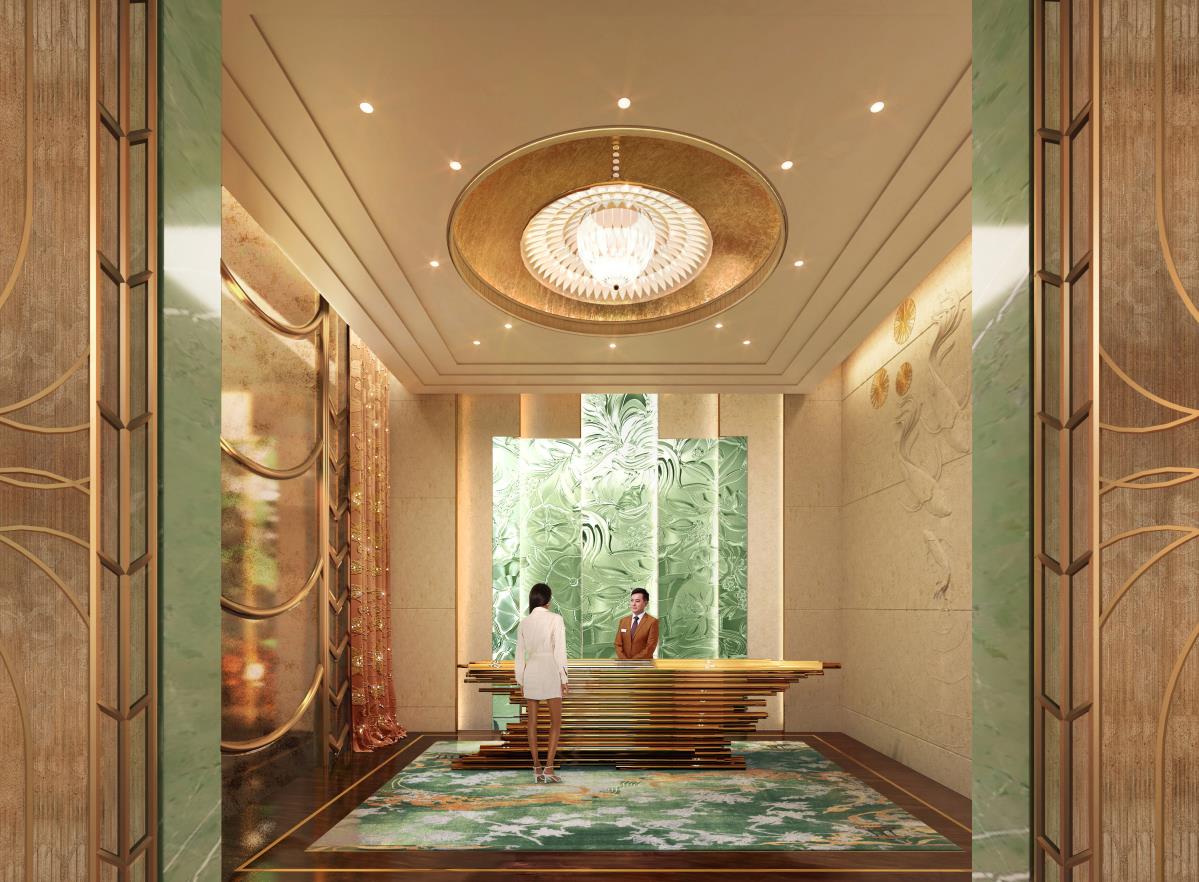
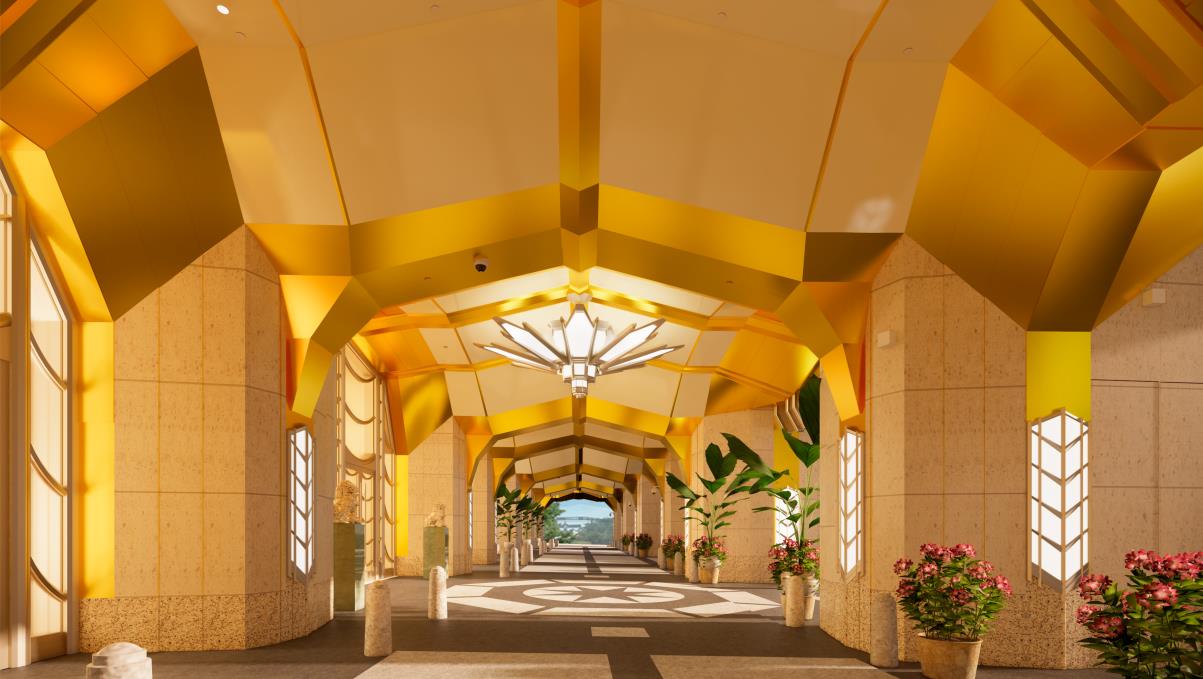
That means Wynn can leverage existing resort infrastructure while adding high-margin premium room inventory with potentially very attractive EBITDA flow-through.
The company projects:
- Approximately US$400 million annual revenue
- US$150 million to US$175 million Adjusted EBITDA annually
For a non-gaming expansion, those are very strong numbers.
This Is Bigger Than Just More Rooms
The Enclave reflects a much bigger industry shift happening in Macau.
Operators are slowly realizing that future growth may not come primarily from adding more gaming capacity, but from deepening premium customer spend per visit.
This aligns closely with trends seen globally in destinations like:
- Las Vegas
- Dubai
- Singapore
Luxury travelers increasingly value exclusivity over scale.
A guest paying US$2,500 average daily room rate is typically not only paying for accommodation — they are often contributing substantial spending across the entire integrated resort ecosystem.
From that perspective, The Enclave feels less like a hotel expansion and more like Wynn strengthening its position at the very top of Macau’s premium pyramid.
The Competitive Pressure Is Rising
The timing is also important.
Across Macau:
- MGM China is upgrading premium suites and luxury offerings
- Galaxy Entertainment Group continues expanding entertainment and lifestyle attractions
- Melco Resorts & Entertainment is aggressively investing into luxury branding and non-gaming experiences
- Sands China remains dominant in large-scale integrated resort capacity
Wynn’s move ensures it stays highly competitive in the premium luxury segment where margins and customer loyalty are often strongest.
Final Thoughts
The Enclave may ultimately become one of the clearest examples yet of where Macau’s next phase of evolution is heading:
fewer “mass market expansion” stories and more ultra-premium, experience-driven hospitality investments.
And with Wynn already operating near full occupancy, this expansion does not look speculative at all.
It looks like demand-driven luxury scaling.