 Content Writer: Janice Chew • Monday, 25/11/2025 - 17:58:49 - PM
Wynn Resorts CEO Craig Billings has projected that the emerging United Arab Emirates (UAE) gaming market could generate around US$5 billion annually, positioning the country as one of the most lucrative new jurisdictions for integrated resorts. Speaking on the company’s third-quarter earnings call, Billings said Wynn anticipates two rival operators to eventually join the UAE market, creating a three-player competitive landscape. He described the region’s potential as “significant and sustainable,” driven by strong inbound tourism, luxury spending, and regulatory readiness.

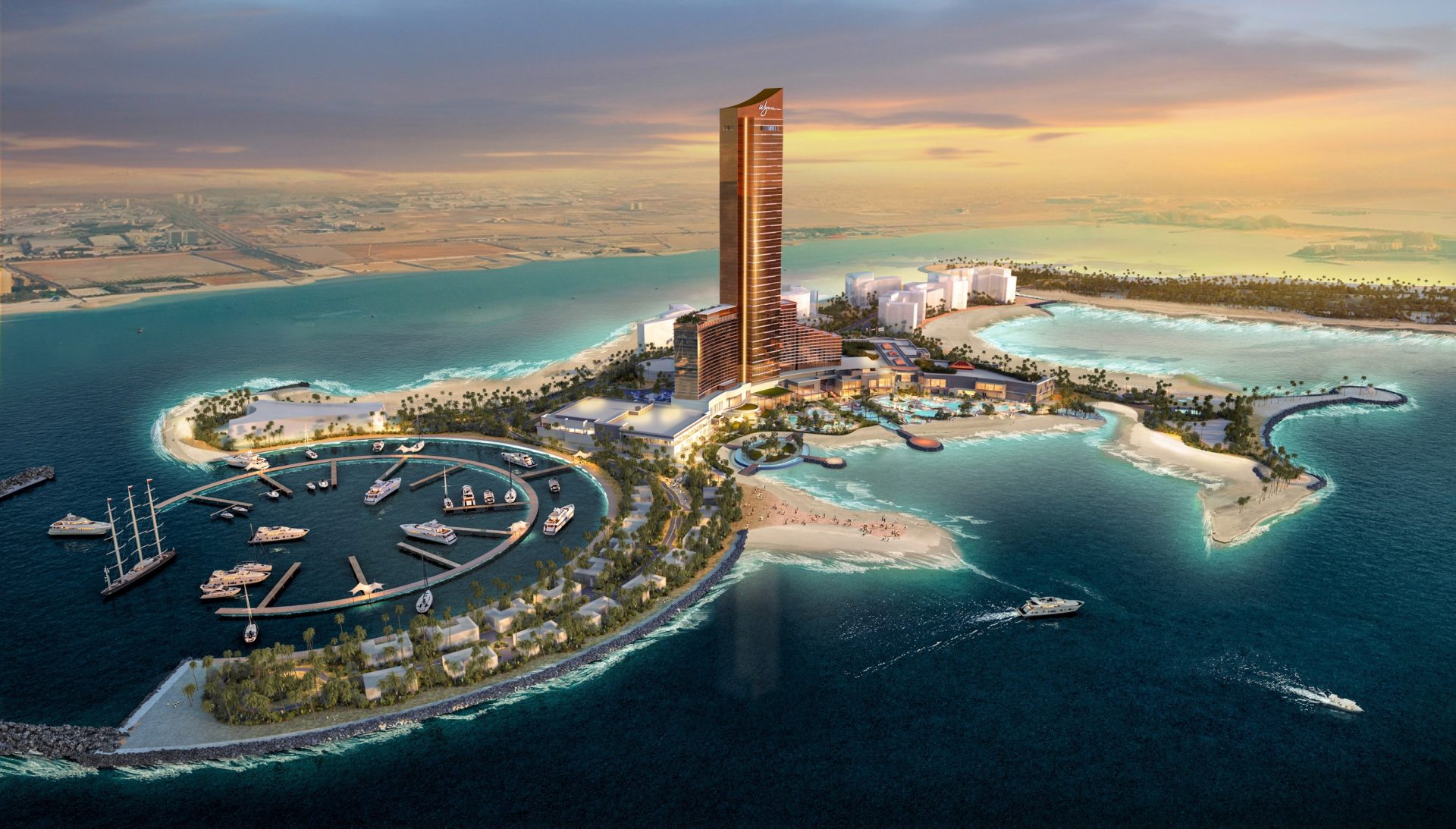
Wynn’s integrated resort on Al Marjan Island in Ras Al Khaimah is expected to be the first property licensed for commercial gaming in the UAE. The project, developed jointly with local partners Marjan LLC and RAK Hospitality, carries an estimated US$3.9 billion investment and is targeted to open in early 2027. Billings emphasized that Wynn’s “first-mover advantage” gives it a strong head start as regulators finalise frameworks for gaming oversight under the General Commercial Gaming Regulatory Authority (GCGRA).
In discussing market structure, Billings noted that competition would likely mirror other established casino jurisdictions, with a small number of licensees operating under tightly controlled conditions. “We think the market will start with us and, over time, include perhaps two others — but it will remain rational,” he said. Analysts at CBRE and J.P. Morgan have echoed this view, suggesting that a concentrated licensing model would help maintain stable returns and protect operator margins.
Wynn’s Ras Al Khaimah resort will feature approximately 1,500 rooms and suites, 24 dining and lounge concepts, high-end retail, convention facilities, and an entertainment theater alongside a gaming area estimated at about 18,500 square meters. The company’s leadership believes the project will transform the emirate into a premier global entertainment hub, complementing Dubai’s tourism infrastructure and aligning with the UAE’s diversification agenda.
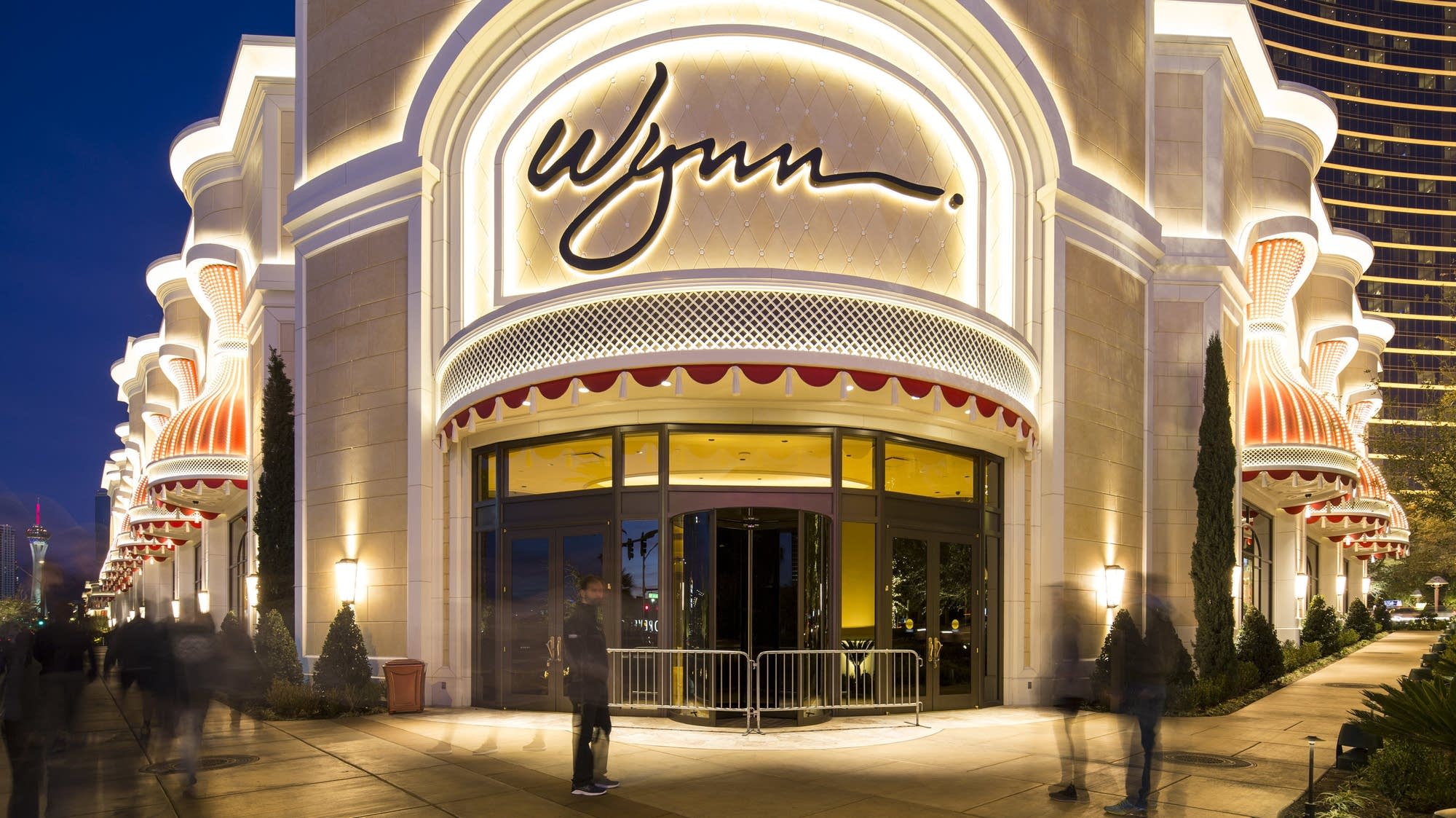
Billings added that the UAE venture will “stand shoulder to shoulder with Wynn Las Vegas and Wynn Macau” in design and profitability standards once operations commence. He highlighted that the company’s early engagement with regulators and investment in non-gaming amenities reflect a commitment to building “a legacy destination, not just a casino.” Wynn’s optimism, coupled with rising investor interest, signals that the UAE could emerge as the next frontier in regulated gaming for the Middle East.