
 Content Writer: Janice Chew • Tuesday, 26/01/2026 - 08:54:50 - AM
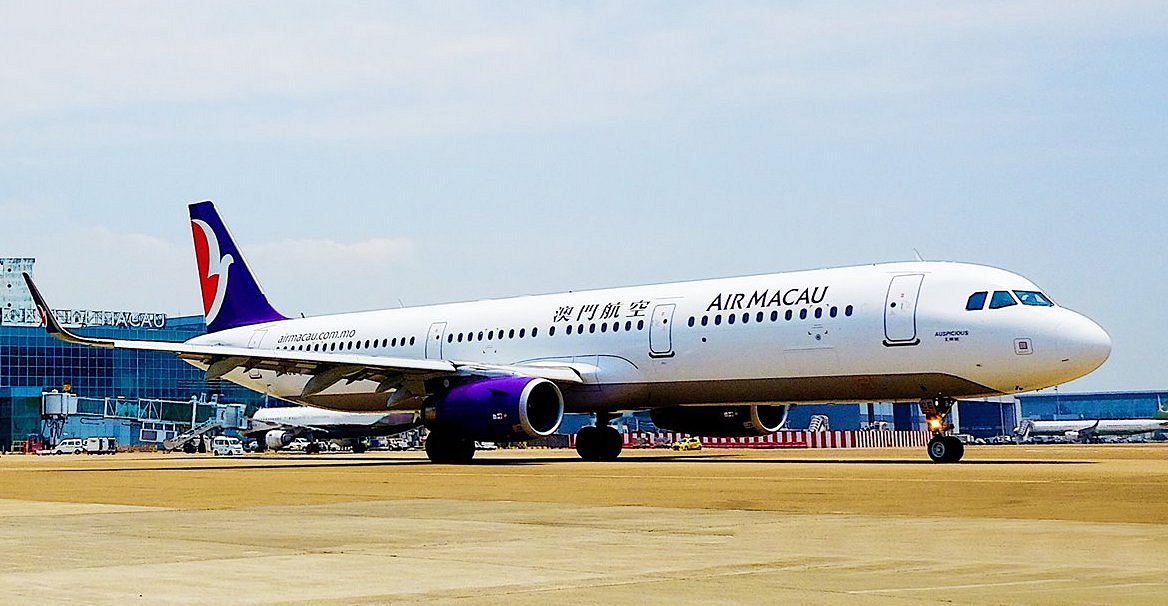
Air Macau has been granted a 20-year operating license, extending the carrier’s runway well beyond the expiration of its long-standing monopoly period and marking a pivotal transition for Macau’s aviation sector. The decision provides long-term operational certainty for the airline while simultaneously signalling a gradual shift toward a more competitive and liberalised air transport environment.
The renewal comes as Macau continues recalibrating its post-pandemic economic strategy, with aviation increasingly viewed as a critical pillar supporting tourism recovery, business travel, and regional connectivity. While Air Macau has historically enjoyed exclusive rights as the city’s flag carrier, authorities have made clear that future policy direction will prioritise competition, service quality, and regional integration rather than protectionism.
Monopoly Nears Its Conclusion, Competition Looms
Air Macau’s monopoly status is expected to end in the coming years, opening the door for new entrants or expanded access by existing regional carriers. Aviation analysts note that this mirrors broader trends across Asia, where governments are loosening legacy restrictions to stimulate travel demand, improve fare competitiveness, and strengthen hub connectivity.
Macau’s position within the Greater Bay Area further amplifies this shift. With neighbouring hubs such as Hong Kong, Shenzhen, and Guangzhou competing aggressively for passengers, Macau’s aviation policy must balance stability with flexibility. Granting Air Macau a long-term license ensures continuity while giving regulators room to introduce competitive frameworks without destabilising the market.
Strategic Role in Tourism and Economic Recovery
Air Macau plays a central role in Macau’s tourism ecosystem, particularly for short-haul routes connecting mainland China, Taiwan, Japan, South Korea, and Southeast Asia. As Macau diversifies beyond gaming, improved air connectivity is increasingly important for attracting conventions, entertainment tourism, and premium leisure travellers.
Industry observers point out that long-term licensing also enables better fleet planning, route development, and partnership strategies. This could include deeper code-share arrangements, expanded charter services, or alignment with regional aviation alliances—moves that would strengthen Macau’s accessibility without relying solely on ferry or land crossings.
Policy Signals Beyond Aviation
The license renewal also reflects Macau’s evolving regulatory approach more broadly. Similar to changes seen in gaming, hospitality, and infrastructure development, authorities are moving toward longer-term concessions paired with higher performance expectations. In aviation, this likely means stricter benchmarks around safety, punctuality, sustainability, and customer experience once competition is introduced.
As regional travel demand continues to rebound, Air Macau’s renewed license positions it as a stable anchor carrier—but not an untouchable one. The next phase will test how effectively the airline adapts to a future where monopoly protection gives way to market-driven performance.