 Content Writer: Janice Chew • Wednesday, 26/01/2026 - 14:40:10 - PM
South Korea’s state-backed casino operator Grand Korea Leisure (GKL) is reviewing strategic options to reduce rising operating costs at its Seoul casinos, including a potential property acquisition strategy, while firmly denying market rumours that it plans to build a new integrated casino resort in the capital.
Taken together, the two developments highlight GKL’s current priorities: cost efficiency and operational stability, rather than aggressive expansion.
Rising Rent Costs Trigger Strategic Review
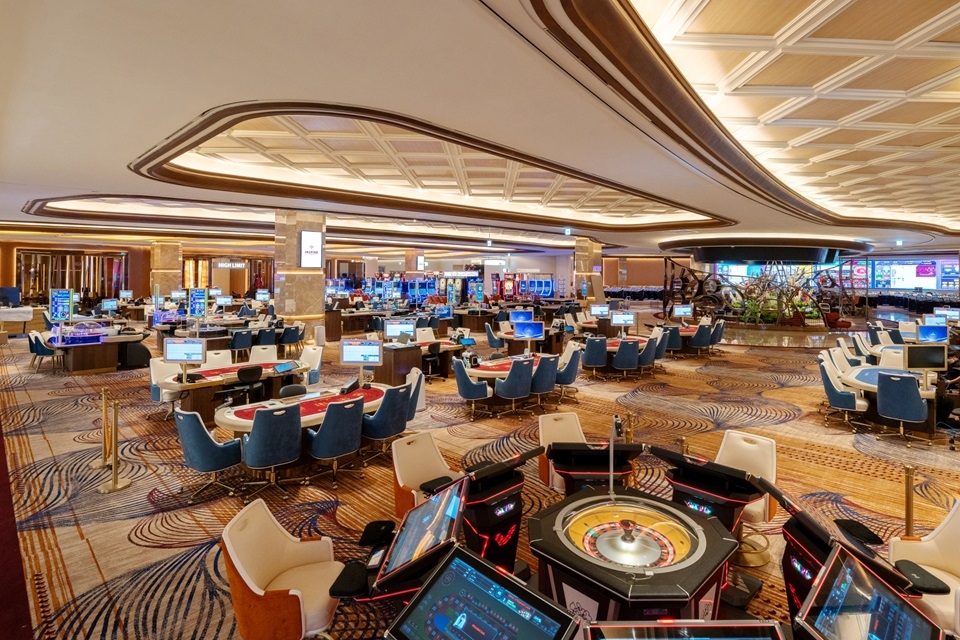
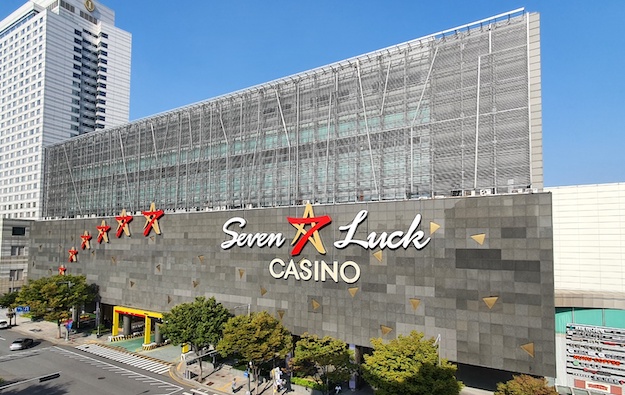
According to recent disclosures and analyst commentary, GKL has acknowledged that excessive rental payments at its Seoul casino locations have become a growing burden. In response, management is considering whether acquiring property—rather than continuing long-term leasing—could offer better cost control over time.
Industry observers note that Seoul’s prime commercial real estate market has seen sustained rental inflation, making lease-heavy models increasingly unattractive for large-footprint entertainment venues such as foreigner-only casinos.
From a financial standpoint, an acquisition approach could:
-
Stabilize long-term operating costs
-
Improve balance sheet visibility
-
Reduce exposure to future rent hikes
However, such a move would also require careful capital allocation and regulatory alignment, given GKL’s public-sector background.
Company Pushes Back on Resort Expansion Rumours
Separately, GKL has moved to dispel speculation that it intends to develop a new casino resort in Seoul. The company stated clearly that no specific decisions have been made, and that reports suggesting a new integrated development are unfounded.
This clarification comes amid heightened sensitivity around casino expansion in Seoul, where regulatory constraints and public sentiment make large-scale gaming projects politically complex. Analysts widely agree that any new casino approvals in the city would face significant scrutiny.
Focus Remains on Core Operations
Rather than expansion, GKL’s near-term focus appears to be on:
-
Improving cost efficiency at existing venues
-
Optimizing asset utilization
-
Maintaining competitiveness in the foreigner-only casino segment
This conservative stance aligns with broader trends in South Korea’s gaming sector, where operators are prioritizing margin protection over capacity growth amid slower inbound tourism recovery from certain markets.
Market Interpretation
For investors and industry watchers, the combined messaging suggests a defensive but pragmatic strategy. GKL is signaling discipline—seeking structural cost solutions while avoiding speculation-driven expansion narratives that could unsettle regulators or shareholders.
Analysts note that if an acquisition strategy progresses, it would likely focus on existing properties tied to current operations, rather than greenfield developments.