
 Content Writer: Janice Chew • Wednesday, 26/01/2026 - 14:34:20 - PM
Applications for exclusion from casinos in Macau surged 68% year-on-year in 2025, according to official figures cited by multiple regional gaming industry sources. The sharp increase underscores growing public awareness of responsible gaming measures—while also highlighting persistent social pressures linked to gambling activity in the world’s largest casino hub.
What the Numbers Say
Data released by Macau authorities and referenced by industry publications indicate a substantial rise in both self-exclusion and third-party exclusion applications. These programs allow individuals—or, in certain cases, their immediate family members—to request formal exclusion from casino gaming floors for a specified period.
Analysts note that while the percentage increase is striking, it follows several years of relatively subdued application growth during the pandemic period, when visitation and gaming volumes were significantly lower.
Drivers Behind the Increase
Multiple factors are believed to be contributing to the surge:
-
Stronger public education: Ongoing responsible gaming campaigns have improved awareness of exclusion programs and support channels.
-
Post-pandemic normalization: As casino traffic recovered, so too did exposure to gambling-related risks.
-
Policy emphasis: Regulators have increasingly emphasized social responsibility as part of the renewed gaming concession framework.
Industry observers stress that a rise in exclusion applications does not automatically equate to worsening gambling problems; rather, it may reflect greater willingness among players to seek help early.
Alignment with Regulatory Direction
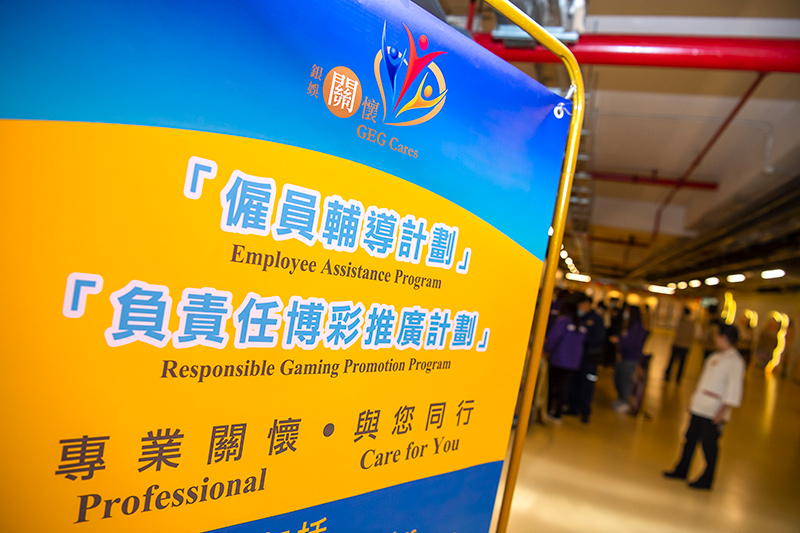
Macau’s gaming regulators have made responsible gaming a core pillar of post-2022 concession requirements. Operators are mandated to:
-
Promote exclusion mechanisms clearly on casino premises
-
Train frontline staff to identify at-risk behavior
-
Cooperate with social welfare organizations
This aligns with broader government goals to balance economic contributions from gaming with long-term social stability.
How Operators Are Responding
Major concessionaires have continued to invest in responsible gaming infrastructure, including:
-
On-site counseling referral points
-
Digital self-assessment tools
-
Multilingual awareness materials targeting tourists and local patrons
From a business standpoint, these measures are increasingly viewed not as compliance costs, but as license-critical investments that protect brand reputation and regulatory goodwill.
Regional and Global Context
Comparable jurisdictions such as Singapore and parts of Europe have also reported rising use of exclusion schemes in recent years, often interpreting the trend as a sign of maturing regulatory ecosystems rather than market distress.
Gaming consultants point out that Macau’s absolute exclusion numbers remain manageable relative to its annual visitor volumes, suggesting the system is functioning as intended—catching cases early rather than reacting to crises.
Looking Ahead
With Macau’s gaming market entering a phase of more measured growth, responsible gaming metrics are expected to play a larger role in policy discussions and concession reviews. Continued transparency around exclusion data may further strengthen public trust in the industry.
In short, the 68% jump in exclusion applications in 2025 reflects not just a social challenge, but also a structural shift: Macau’s gaming sector is increasingly measured not only by revenue, but by how effectively it manages the human impact behind the numbers.