
 Content Writer: Janice Chew • Friday, 26/06/2026 - 20:50:14 - PM
Emperor Entertainment Hotel Limited’s latest profit warning tells a more interesting story than the headline suggests.
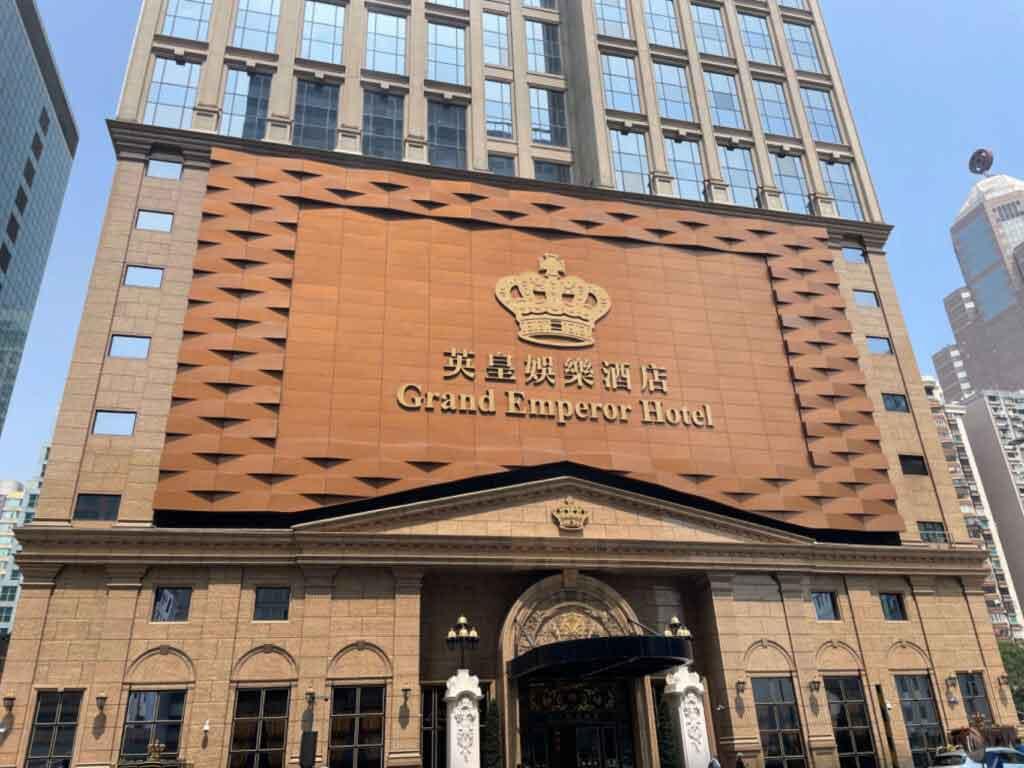
On the surface, the company is still loss-making. Emperor E is forecasting a net loss of around HK$30 million for the year ended 31 March 2026. However, this is a major improvement from the previous year’s HK$248 million loss. The narrowing loss comes even after the end of gaming operations at Grand Emperor, its Macau satellite casino venue.
That may look contradictory at first. A casino operation ends, yet the company’s reported loss becomes smaller. But this is exactly why the story matters. Emperor E is no longer simply a casino-linked hotel operator reporting weaker gaming income. It is becoming an example of how Macau’s older satellite-casino model is being forced to transform.
The End of the Satellite Casino Comfort Zone
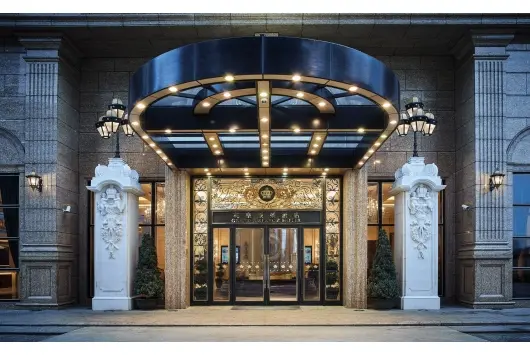
For years, Macau’s satellite casinos operated under a model where third-party property owners or operators worked under the licence of a gaming concessionaire. This model helped expand gaming locations across Macau, especially on the peninsula, without every venue being directly owned and operated by a concession holder.
That era is now closing.
Macau’s amended gaming law created a transition period for satellite casinos, pushing the industry away from profit-sharing structures and toward a more tightly controlled model. After the transition, surviving satellite casinos can no longer depend on the old revenue-sharing approach. They must either close, restructure, or operate under a new management-fee model.
Grand Emperor’s casino closure should therefore be seen as part of a broader structural clean-up in Macau gaming. It is not only a company-specific issue. It reflects a regulatory and commercial reset across the market.
A Smaller Loss Does Not Mean the Business Challenge Is Over
The key reason Emperor E’s loss narrowed was not because the casino closure suddenly improved the operating business. The company pointed mainly to a substantial decrease in fair value loss on investment properties.
This distinction is important.
A narrower accounting loss is positive, but it does not automatically prove that the new business model is already successful. The real question is what replaces the old gaming-led foot traffic.
Before the closure, a casino inside a hotel created a strong visitor anchor. It gave guests a reason to enter, stay, spend, dine, and return. Without gaming, Grand Emperor needs a new reason for customers to visit.
That is where the next phase becomes more strategic.
From Gaming Venue to Hospitality Experience
Emperor E has already signalled that it is planning other entertainment and amusement facilities to enhance the hospitality experience and broaden its revenue base. This is the right direction, but execution will decide whether the pivot works.
Macau is still a strong gaming and tourism market. Gross gaming revenue has recovered meaningfully, but the recovery is not evenly distributed. Large integrated resorts with strong hotel, retail, entertainment, MICE, dining, and loyalty ecosystems are in a better position than smaller legacy satellite venues.
For former satellite properties, the future cannot simply be “hotel rooms without a casino.” That is too weak as a proposition.
The new strategy needs to answer three questions:
- Why should visitors come to this property?
- Why should they stay longer?
- Why should they return or recommend it?
If the answer is only price, the property risks becoming a commodity. If the answer is experience, convenience, local identity, events, and smart digital engagement, the property has a stronger chance of building a sustainable post-casino identity.
The Gold Brick Sale Was More Than an Asset Disposal
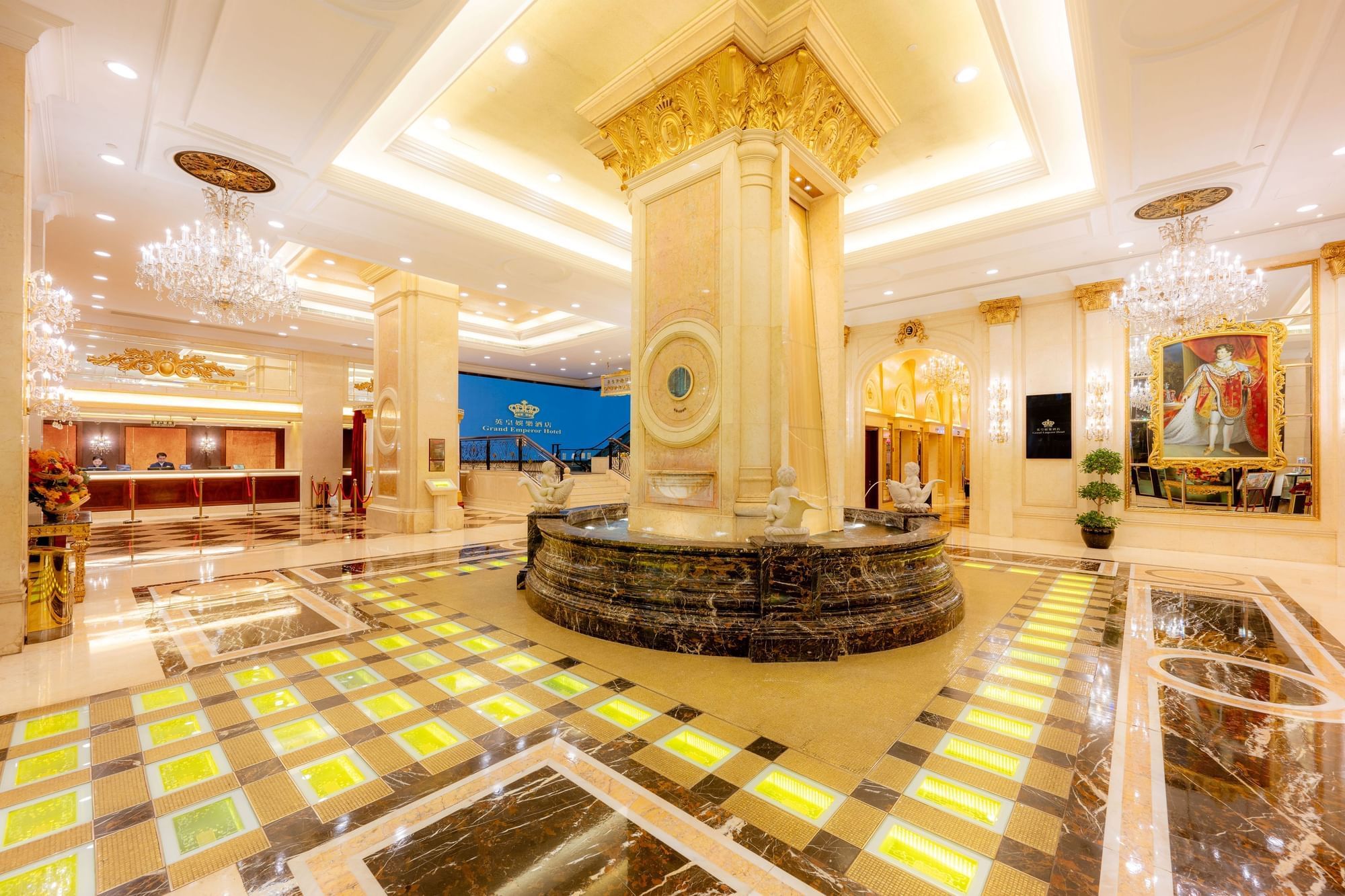
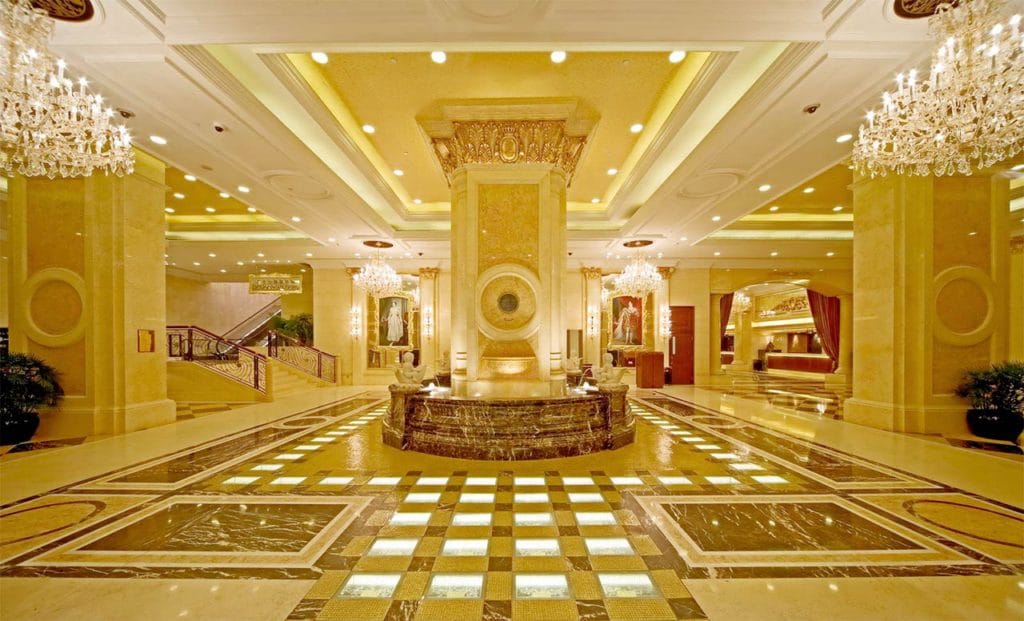
One of the most symbolic parts of Emperor E’s transition was the sale of the gold bricks from Grand Emperor’s famous “Golden Avenue.” The gold bricks were originally part of the hotel’s luxury image and casino atmosphere. Selling them unlocked value, strengthened liquidity, and reduced future security and insurance costs.
But the deeper message is branding.
The gold floor represented the old Macau: visual luxury, casino-driven prestige, and high-footfall gaming glamour. Removing it suggests that the future theme of the property may no longer rely on the same symbols.
This is a smart move if the company uses the opportunity to rebuild the brand properly.
A post-gaming hotel must not look like a casino that lost its casino. It needs a fresh identity. That could be lifestyle entertainment, boutique hospitality, family-friendly attractions, cultural tourism, premium dining, wellness, events, or technology-enhanced guest experiences.
The worst outcome would be leaving the brand in the middle: no longer a casino destination, but not yet a strong hospitality destination.
What Other Macau Operators Can Learn
Emperor E’s situation offers several lessons for other operators affected by Macau’s satellite casino transition.
First, regulatory change should not be treated only as a compliance issue. It should trigger a full business model review.
Second, asset monetisation can provide breathing room, but it is not the same as long-term revenue replacement.
Third, hospitality repositioning needs a clear product strategy. A hotel must know whether it wants to be premium, lifestyle, family, entertainment-led, business-friendly, or local-experience focused.
Fourth, digital execution must happen early. Waiting until renovation is complete before building the digital funnel is too late. Search visibility, brand repositioning, CRM lists, and campaign testing should begin before the relaunch.
Finally, Macau’s future will not be gaming versus non-gaming. It will be about integrated experiences. The operators that combine accommodation, entertainment, dining, events, loyalty, and digital engagement will be better positioned than those relying on one revenue stream.
Original Insight: The Real Transition Is From Location Advantage to Experience Advantage
Satellite casinos were partly built on location advantage. If a venue had gaming tables, foot traffic followed.
That model is weakening.
The next phase of Macau competition will be experience advantage. Properties need to earn traffic through better reasons to visit. That means stronger branding, better digital discovery, better guest data, more creative programming, and faster marketing execution.
For Emperor E, the narrower loss is encouraging. But the real test begins now. The company has removed a legacy gaming anchor and unlocked value from a symbolic asset. The next challenge is to turn Grand Emperor into a destination that does not need a casino to remain relevant.
Conclusion
Emperor E’s FY2026 profit warning should not be read only as a financial update. It is a case study in Macau’s post-satellite casino transition.
The company is still forecasting a loss, but the loss is much smaller. Its casino operations have ended, but the balance sheet appears stronger. Its iconic gold-brick lobby has been monetised, but that also opens the door for a new brand story.
The opportunity now is to rebuild around hospitality, entertainment, and digital-first customer engagement.
In Macau’s next chapter, the winners will not simply be those with gaming licences. They will be those that understand how to convert attention into visits, visits into spend, and spend into long-term customer relationships.