

 Content Writer: Janice Chew • Thursday, 26/03/2026 - 19:47:38 - PM
Japan recorded a new monthly tourism record of 3.46 million visitors in February 2026, even as arrivals from mainland China declined by 45% year-on-year.
The data highlights a significant shift in Japan’s tourism dynamics — from reliance on a single dominant market to a more diversified and resilient visitor base.
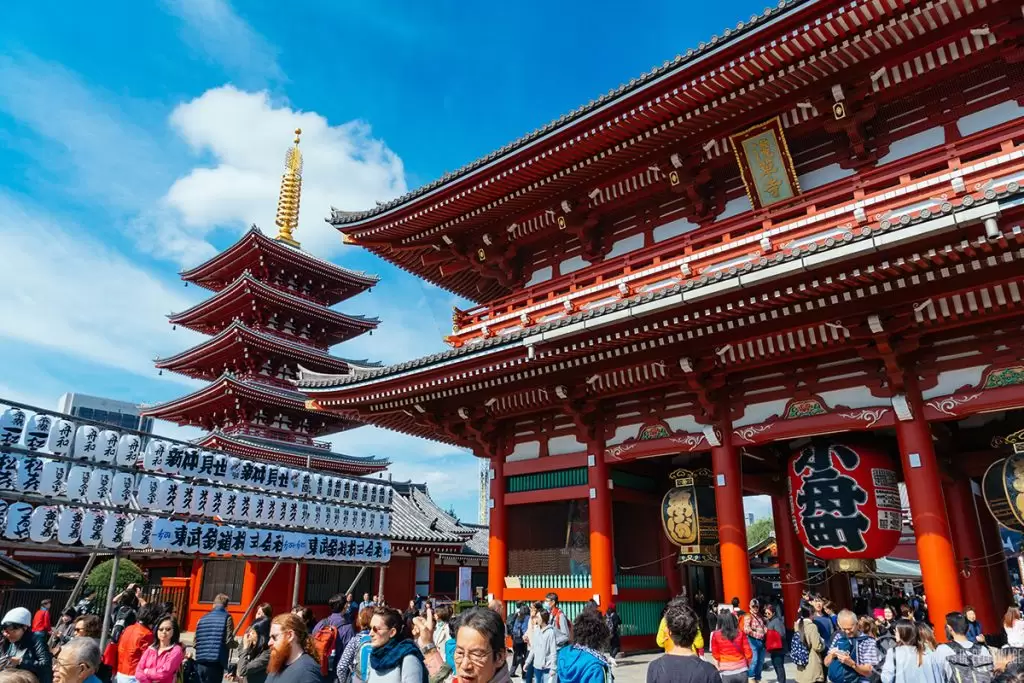

Record Growth Without China Dependence
Historically, Chinese tourists have been one of Japan’s largest inbound segments.
However, February’s record-breaking performance shows that:
• Japan can sustain strong tourism growth without full China recovery
• demand from other markets is filling the gap
• global travel appetite for Japan remains robust
This marks an important structural shift in Japan’s tourism model.
Diversification of Source Markets
The surge in visitor numbers has been driven by strong demand from:
• Southeast Asia
• South Korea
• Western markets (US, Europe)
• Australia
This diversification reduces dependency risk and creates a more stable tourism ecosystem.

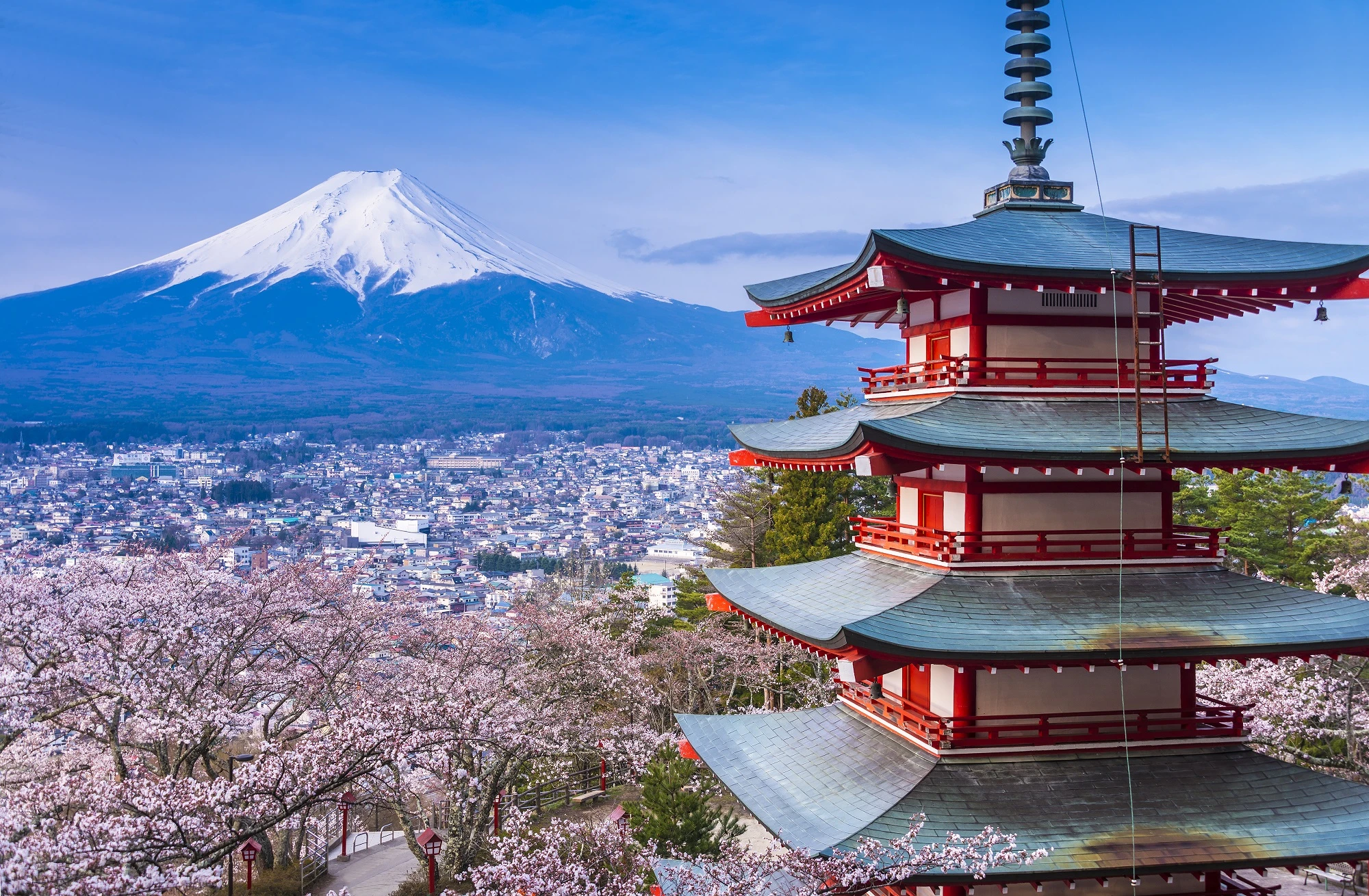
Drivers Behind the Tourism Boom
Several factors are contributing to Japan’s strong inbound performance:
Weak yen advantage
A softer Japanese yen continues to make travel to Japan more affordable.
Seasonal appeal
Winter tourism, including ski resorts and seasonal attractions, remains highly attractive.
Improved connectivity
Airline capacity has been steadily restored across key routes.
Global destination appeal
Japan’s cultural, culinary and lifestyle offerings continue to attract international travelers.
Impact on Hospitality and Gaming Potential
While Japan’s casino market is still in development, strong tourism growth has broader implications.
The upcoming MGM Osaka Integrated Resort will benefit from:
• high inbound visitor volumes
• diversified international demand
• strong tourism infrastructure
This reinforces Japan’s long-term potential as a major integrated resort market.
Strategic Insight: Tourism Resilience Through Diversification
Japan’s February performance illustrates a key lesson for tourism-dependent economies:
Diversification is resilience
By attracting visitors from a wider range of markets, Japan has reduced vulnerability to fluctuations in any single country.
This approach allows:
• more stable year-round performance
• reduced geopolitical and economic risk
• stronger long-term growth potential
Regional Context: Asia’s Tourism Competition
Japan’s performance stands out amid competition from other regional destinations such as:
-
Singapore
-
Bangkok
-
Seoul
Despite the competitive landscape, Japan continues to attract global travelers at scale.
Unique Angle: From Volume Recovery to Quality Growth
Japan’s tourism story is no longer just about recovery — it is evolving toward:
• higher-value tourism
• longer stays
• deeper cultural engagement
This shift aligns with broader global trends where destinations prioritize quality over sheer volume.
Final Take
Japan’s record 3.46 million visitors in February, achieved despite a sharp decline in Chinese arrivals, underscores the strength and adaptability of its tourism sector.
By diversifying its visitor base and leveraging global demand, Japan has built a more resilient tourism model — one that positions it strongly for future growth.
As the global travel landscape continues to evolve, Japan is emerging as a benchmark for how to scale tourism while reducing dependency on any single market.