
 Content Writer: Janice Chew • Thursday, 26/05/2026 - 12:54:56 - PM
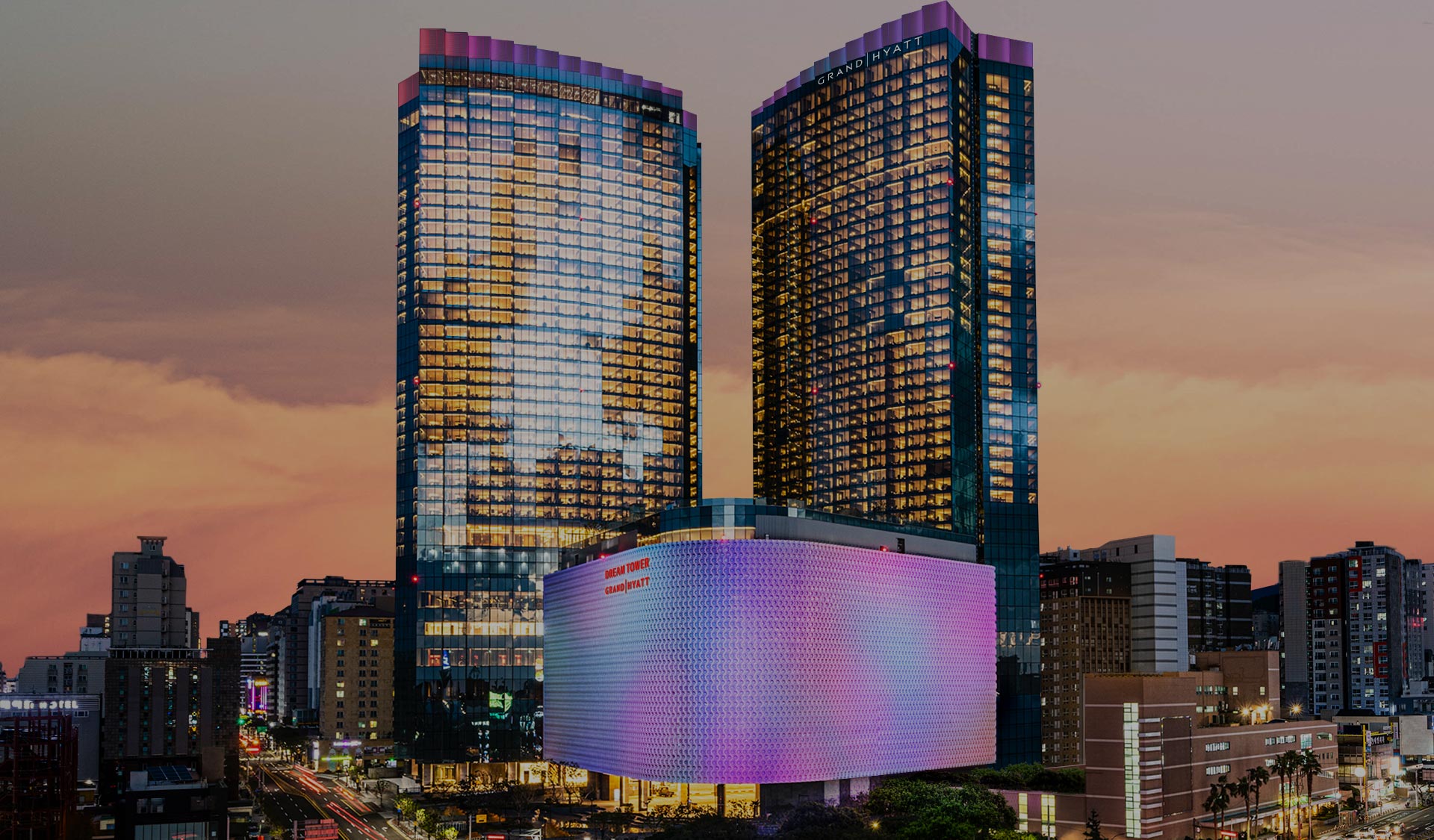
Jeju Dream Tower is preparing for its next stage of casino growth, and the strategy is becoming clearer. The property is not relying on one single factor. Instead, it is combining a new rolling chip program, more gaming tables and slot machines, and a stronger hotel room strategy to support higher-value casino customers.
This is important because Jeju Dream Tower is operating in a market where demand is already improving. In 1Q26, Lotte Tour’s casino revenue rose strongly, supported by higher table drop and more casino visitors. With this momentum, the new rolling chip program could become a major growth driver.
A New Rolling Chip Program to Attract Premium Players
According to Inside Asian Gaming, Hana Securities believes Jeju Dream Tower’s new rolling chip program could potentially add around KRW100 billion, or about US$66.8 million, in annual revenue.
The reason this program is important is simple: premium players are sensitive to rewards, commissions, and overall trip value. If Jeju Dream Tower can offer attractive rolling chip terms, it may be able to capture more premium gaming demand from regional players.
Korea’s lower casino tax rate compared with Macau also gives Jeju Dream Tower more flexibility. This means the property may have more room to offer competitive rewards while still protecting profitability.
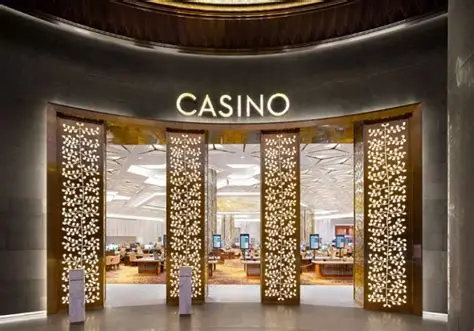
More Tables and Slots to Support Higher Demand
Jeju Dream Tower is also expanding its casino supply.
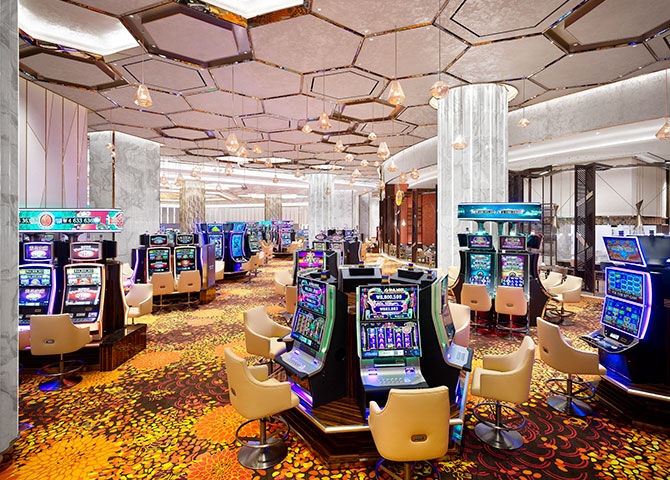
Gaming tables have increased from 149 in 2024 to 169 in 1Q26, with more expected to be added. Slot machines are also expected to rise from 287 to 371 this year.
This matters because casino demand can only grow if the property has enough capacity. More tables and slots allow Jeju Dream Tower to serve more players, reduce bottlenecks during peak periods, and support stronger gaming revenue.
For an integrated resort, capacity planning is not just an operations issue. It is also a marketing issue. If premium customers visit and cannot get the right gaming experience, the property may lose repeat business.
Hotel Rooms Are Now a Key Growth Tool
Another important part of Jeju Dream Tower’s strategy is hotel room allocation.
The property has around 1,600 hotel rooms, and more of these rooms are now being used as complimentary rooms for casino customers. This can be powerful because premium casino customers often expect a full resort experience, not just gaming access.
If managed well, hotel comps can help increase visitation, encourage longer stays, and improve gaming activity. However, this must be done carefully. Complimentary rooms should be given based on player value, not simply used to fill rooms or chase revenue.
The key question is not “how many rooms can be comped?” The better question is: which players deserve the comp, and what return does the property expect?
Jeju Can Sell More Than Gaming
From a marketing perspective, Jeju Dream Tower has a unique opportunity. It does not need to position itself only as a casino. It can promote Jeju as a premium lifestyle destination that combines gaming with Korean culture, dining, shopping, wellness, and resort experiences.
This is a useful difference from Macau, which is still strongly associated with gaming. Jeju can offer a softer and more lifestyle-driven proposition, especially for regional premium players who may want a holiday experience together with casino entertainment.
This matters because many premium players do not travel alone. They may bring family, friends, or business partners. A stronger non-gaming experience can make Jeju Dream Tower more attractive as a complete destination.
The Technology Angle: Data Will Decide Profitability
The next stage of casino growth should not depend only on more tables, more slots, or more rewards. The real competitive advantage will come from better use of data.
Jeju Dream Tower and other integrated resorts should focus on using CRM, player analytics, and hotel-casino integration to understand customer value more accurately.
Operators need to know which players are profitable, how much reward to offer, when to provide complimentary rooms, which customers are likely to return, and which campaigns are producing real value.
Without this discipline, rolling chip programs and hotel comps can become expensive. They may increase revenue on paper but reduce margins in practice.
The best operators will focus on profitable volume, not just higher volume.
What Other Asian Integrated Resorts Can Learn
Jeju Dream Tower’s strategy offers a useful lesson for other Asian integrated resorts. Growth today is no longer just about building bigger casino floors. It is about connecting gaming capacity, hotel inventory, player rewards, destination branding, and data-driven marketing.
For operators in Macau, Singapore, the Philippines, Vietnam, and future Thailand integrated resorts, the message is clear: premium customers must be managed with precision.
Attracting players is only the first step. The bigger challenge is knowing how much to reinvest in each player and how to keep them returning without damaging margins.
Final Thought
Jeju Dream Tower’s growth story is becoming more interesting because it is combining multiple growth levers at the same time. The new rolling chip program can attract premium players. More tables and slots can support higher demand. Hotel comps can strengthen the full resort experience. Jeju’s lifestyle appeal can help the property stand out from traditional gaming hubs.
If executed well, Jeju Dream Tower could become one of Asia’s more interesting foreigner-only casino growth stories in 2026.
The main challenge will be discipline. Growth is good, but profitable growth is better.